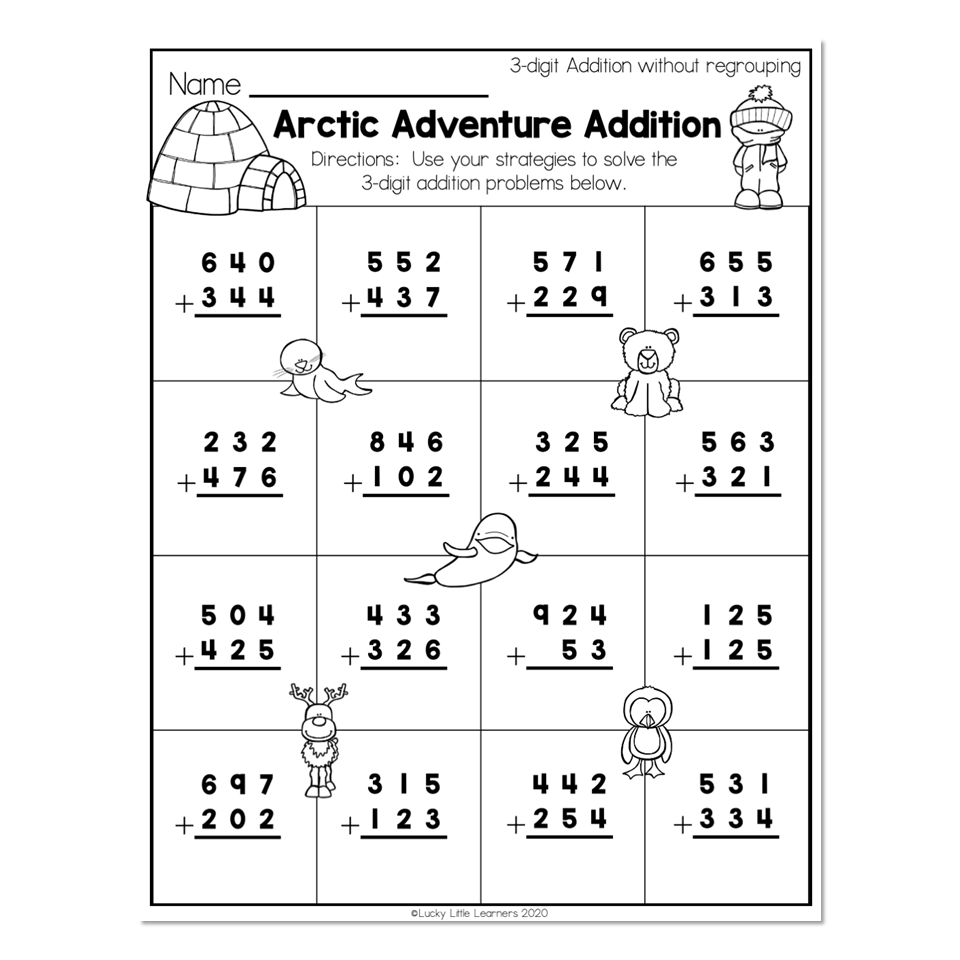
Introduction and Importance of Cross Number Puzzles
Cross number puzzles serve as a unique and engaging educational tool, blending mathematical problem-solving with the familiar format of a crossword. This fusion can transform the often-daunting task of learning math into an enjoyable and interactive experience, applicable both at home and in the classroom. Its importance lies in its ability to reinforce mathematical concepts in a less conventional way, promoting critical thinking and problem-solving skills. For students, it offers a fun alternative to rote memorization, making math more accessible and less intimidating. At home, parents can use these puzzles to supplement their children’s learning, turning math practice into a collaborative and enjoyable family activity. Furthermore, these puzzles encourage learners to think about mathematical problems from multiple angles, fostering a deeper understanding of numerical relationships and enhancing retention. The self-checking nature of the crossword format also provides immediate feedback, allowing learners to identify and correct mistakes independently. Explore more in our Fun and Seasonal Math Worksheets collection.
💡 Educational Key Takeaways:
- Core Skill: Structured Crossword Math Worksheet focused on developing pencil grip, stroke control, and early literacy/math confidence.
- Target Scope: Suited for homeschoolers, preschool, kindergarten, and elementary learners.
- Best Recommendation: Practice 10–15 minutes daily with ergonomic writing tools to reinforce muscle memory without hand fatigue.
Structure and How It Works
The layout of a mathematical crossword typically mirrors that of a traditional word crossword, featuring a grid of white and black squares. Instead of words, however, numbers fill the white squares, forming equations and solutions both across and down. Core Exercises: Clues are provided in the form of mathematical problems or equations. For instance, a clue might be “15 + 7” or “6 x 4,” with the answer (22 or 24) needing to be entered into the grid. The intersecting numbers act as checks and balances, ensuring that all equations are solved correctly. The puzzle often incorporates a variety of mathematical operations, including addition, subtraction, multiplication, division, and sometimes even more advanced concepts like square roots or fractions. Interactive Elements: The interactive nature of the grid is central to the puzzle’s effectiveness. As learners fill in numbers, they are immediately able to see how their answers affect the surrounding equations. This self-correcting mechanism is a valuable learning tool. Variations may include themed puzzles focused on specific mathematical topics, such as geometry or algebra, providing targeted practice in particular areas. For more related activities, check out our Free Multiplication Printable Games.
Tips and Complementary Resources
To maximize the benefits of mathematical crosswords, incorporate several practical strategies. Daily Practice Tips: Regular, short sessions are more effective than infrequent, long sessions. Dedicate 15-20 minutes each day to solving a portion of the puzzle. Begin with easier puzzles and gradually progress to more challenging ones. This builds confidence and avoids frustration. Encourage learners to show their work on a separate piece of paper to avoid careless errors. This also aids in identifying areas where they might be struggling. Pairing with Other Resources: Supplement puzzle work with other educational resources such as textbooks, online tutorials, or math games. These can help to reinforce concepts and provide additional practice. Consider using math-related websites or apps that offer step-by-step solutions and explanations. Collaboration can also be beneficial. Encourage learners to work together, discussing strategies and helping each other solve problems. Discover more free resources across our collection library.
Conclusion
Mathematical crosswords offer a dynamic and engaging method for reinforcing mathematical skills. Their unique blend of puzzle-solving and mathematical computation fosters critical thinking, problem-solving abilities, and a deeper understanding of numerical relationships. The inherent self-checking nature provides immediate feedback, promoting independent learning and error correction. By incorporating these puzzles into learning routines, educators and parents can transform math practice from a chore into an enjoyable activity. The benefits extend beyond mere computation; they cultivate logical reasoning, attention to detail, and perseverance. It is recommended to begin using these puzzles as a supplementary tool to enhance mathematical education. Explore different difficulty levels and thematic variations to cater to specific learning needs and interests. Consider integrating related materials, such as Sudoku or KenKen puzzles, to further enhance logical and mathematical reasoning skills. This multifaceted approach to learning can lead to greater confidence and proficiency in mathematics.
Developmental Milestone & Activity Table
| Development Stage | Recommended Daily Duration | Primary Learning Objective |
|---|---|---|
| Preschool & Pre-K | 10 – 15 Minutes | Pencil grip development & basic pre-stroke lines |
| Kindergarten | 15 – 20 Minutes | Letter/number formation & spatial line awareness |
| Early Elementary (Grade 1–2) | 20 – 30 Minutes | Fluency, sentence construction & neatness |