A strong foundation in mathematics is crucial for a child’s academic journey. Early exposure to mathematical concepts, coupled with consistent practice, significantly enhances understanding and confidence. Educational resources designed for primary learners play a vital role in reinforcing classroom lessons, helping children grasp fundamental concepts such as number recognition, counting, simple arithmetic, and basic geometry. Regular engagement with these supplementary materials can transform abstract ideas into tangible skills, preparing young students for more complex challenges as they progress. Explore more in our Math Worksheets collection.
💡 Educational Key Takeaways:
- Core Skill: Structured Free Math Worksheets For 1st Grade focused on developing pencil grip, stroke control, and early literacy/math confidence.
- Target Scope: Suited for homeschoolers, preschool, kindergarten, and elementary learners.
- Best Recommendation: Practice 10–15 minutes daily with ergonomic writing tools to reinforce muscle memory without hand fatigue.
Utilizing readily available learning materials for early elementary mathematics offers numerous benefits. These printables support the development of essential skills, including improved number sense, enhanced problem-solving abilities, and a deeper understanding of mathematical operations. They provide opportunities for repeated practice, which is key to mastery, and can also foster critical thinking by presenting problems in various engaging formats. Furthermore, these accessible exercises empower educators and parents to tailor learning experiences, addressing specific areas where a child might need additional support or enrichment, thereby promoting personalized learning pathways.
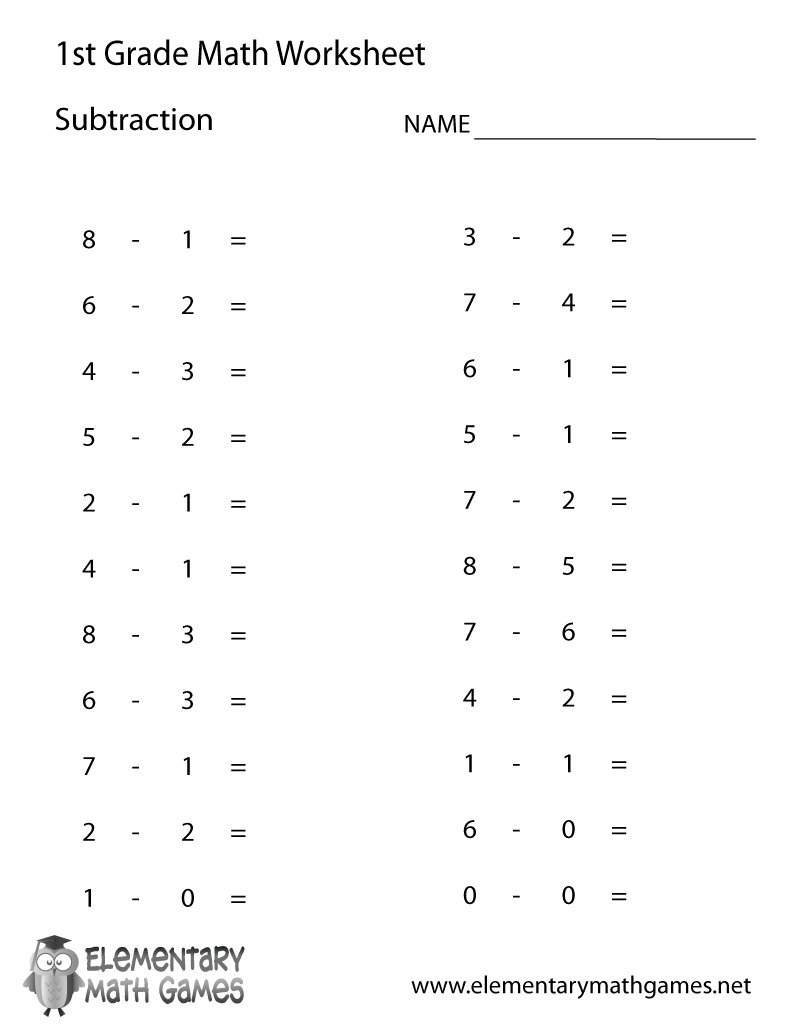
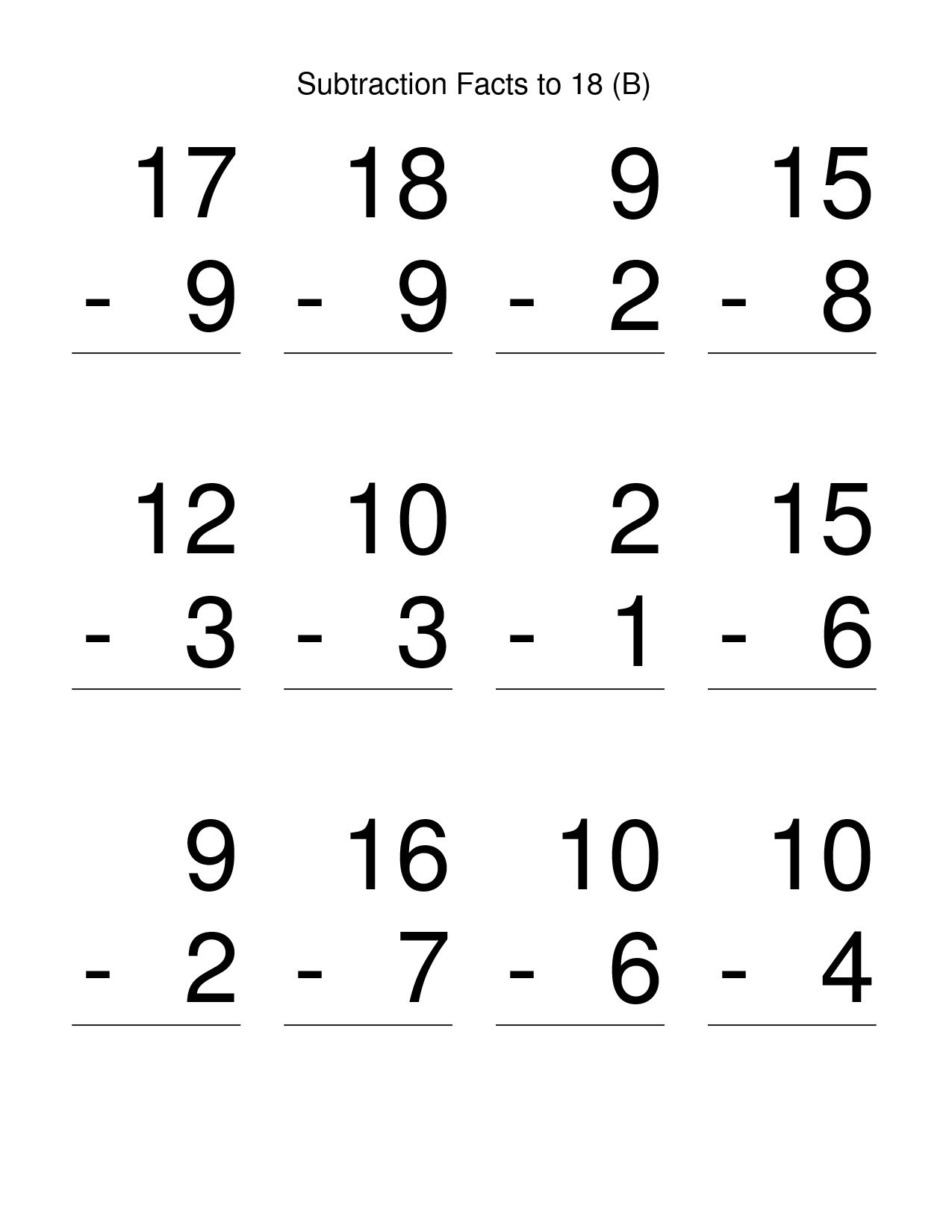
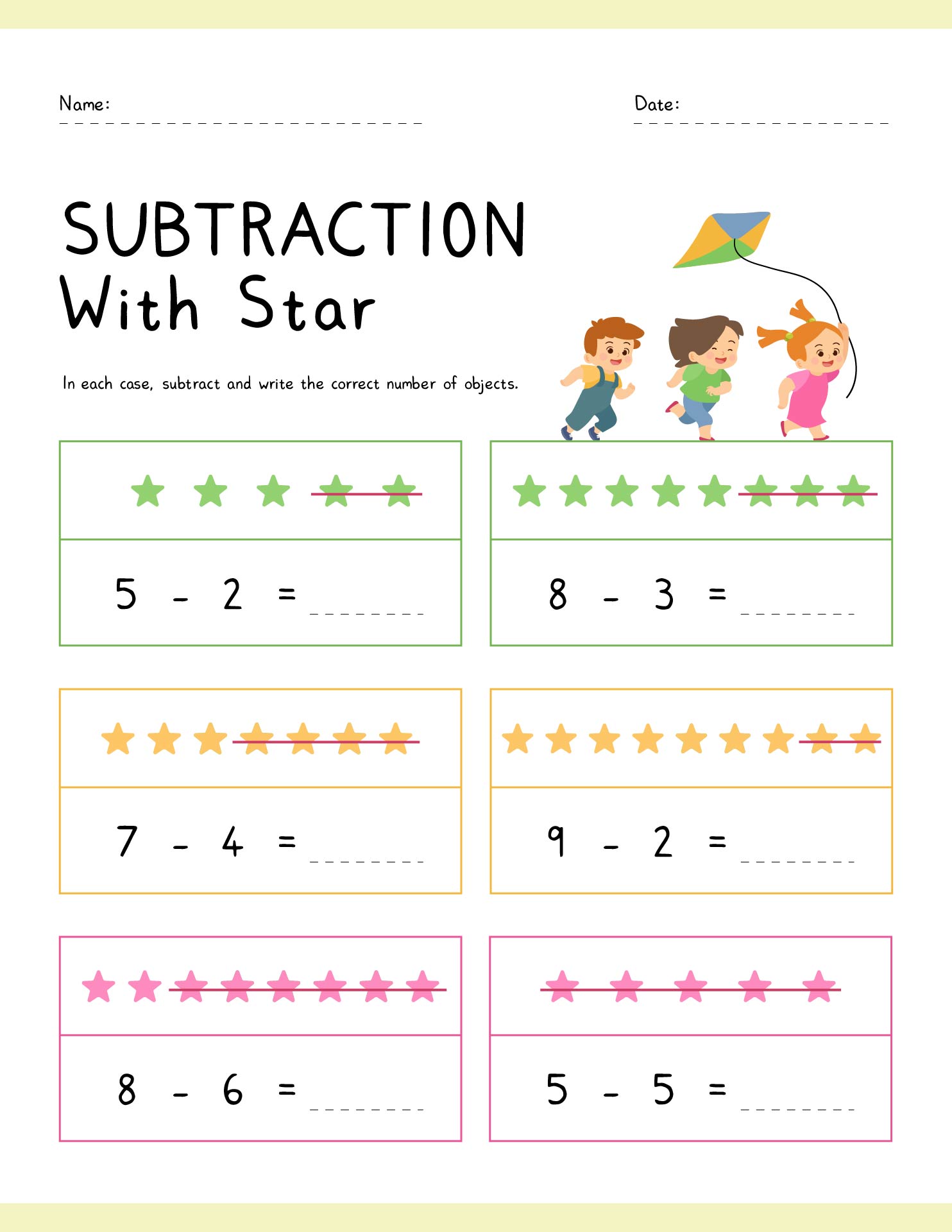
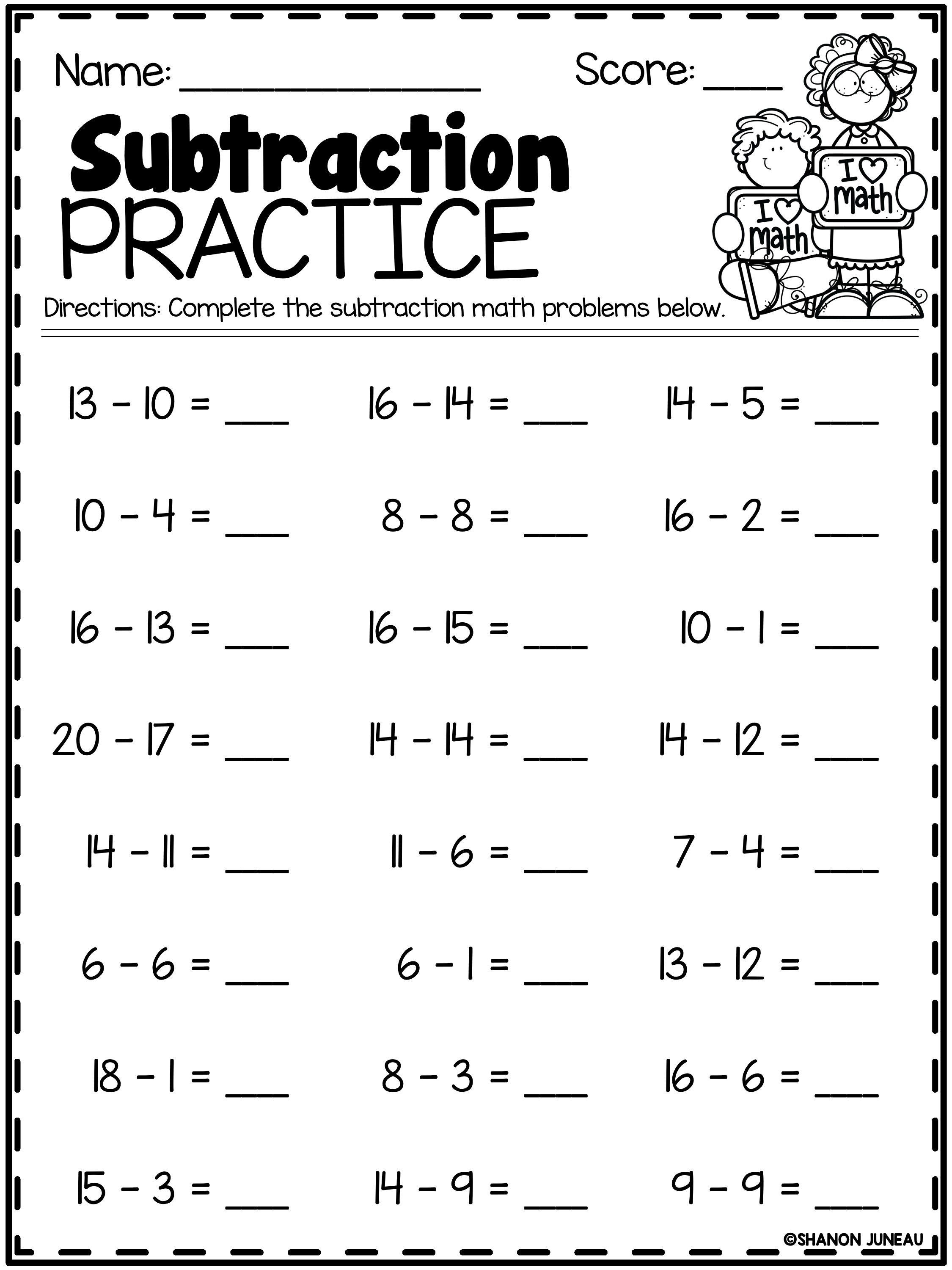
Typically, printables designed for first-grade math encompass a wide array of activities tailored to the developmental stage of young learners. The structure often includes clear instructions and visually appealing layouts. Content commonly features counting exercises, number tracing, simple addition and subtraction problems (often within 10 or 20), pattern recognition tasks, identification of two-dimensional and three-dimensional shapes, and introductory word problems. Activities might range from fill-in-the-blanks and matching games to coloring by number and cut-and-paste tasks, all designed to make learning both effective and enjoyable. Discover more free resources across our collection library.
To maximize the effectiveness of these supplemental math practice sheets, a structured approach is recommended. Begin by introducing one concept at a time, ensuring the child understands the objective. Encourage short, focused practice sessions rather than long, arduous ones, typically 10-15 minutes at a time, to maintain engagement and prevent fatigue. Create a positive and supportive environment, celebrating effort and progress rather than solely focusing on correct answers. Review completed work together, using it as an opportunity for discussion and deeper understanding. If a child struggles with a particular concept, revisit it with different examples or activities.
Beyond the direct application of these foundational math practice sheets, several strategies can further enrich the learning experience. Integrating these materials with hands-on activities, such as using physical manipulatives (e.g., blocks, counters) to solve problems, can bridge the gap between abstract symbols and concrete understanding. Exploring interactive online math games that reinforce similar concepts can add an element of fun. Furthermore, consider progressing through different difficulty levels as proficiency grows, or seek out additional resources that focus on specific areas like time-telling, money counting, or measurement, to ensure comprehensive skill development.
Accessible educational resources for primary math serve as an invaluable tool in cultivating a robust mathematical foundation for young learners. Their ability to provide targeted practice, reinforce classroom learning, and build confidence is undeniable. By leveraging these readily available materials effectively, children can develop crucial number sense and problem-solving skills, setting the stage for future academic success. Exploring the diverse range of these educational offerings is highly encouraged to support every child’s mathematical journey.
Developmental Milestone & Activity Table
| Development Stage | Recommended Daily Duration | Primary Learning Objective |
|---|---|---|
| Preschool & Pre-K | 10 – 15 Minutes | Pencil grip development & basic pre-stroke lines |
| Kindergarten | 15 – 20 Minutes | Letter/number formation & spatial line awareness |
| Early Elementary (Grade 1–2) | 20 – 30 Minutes | Fluency, sentence construction & neatness |
Images References