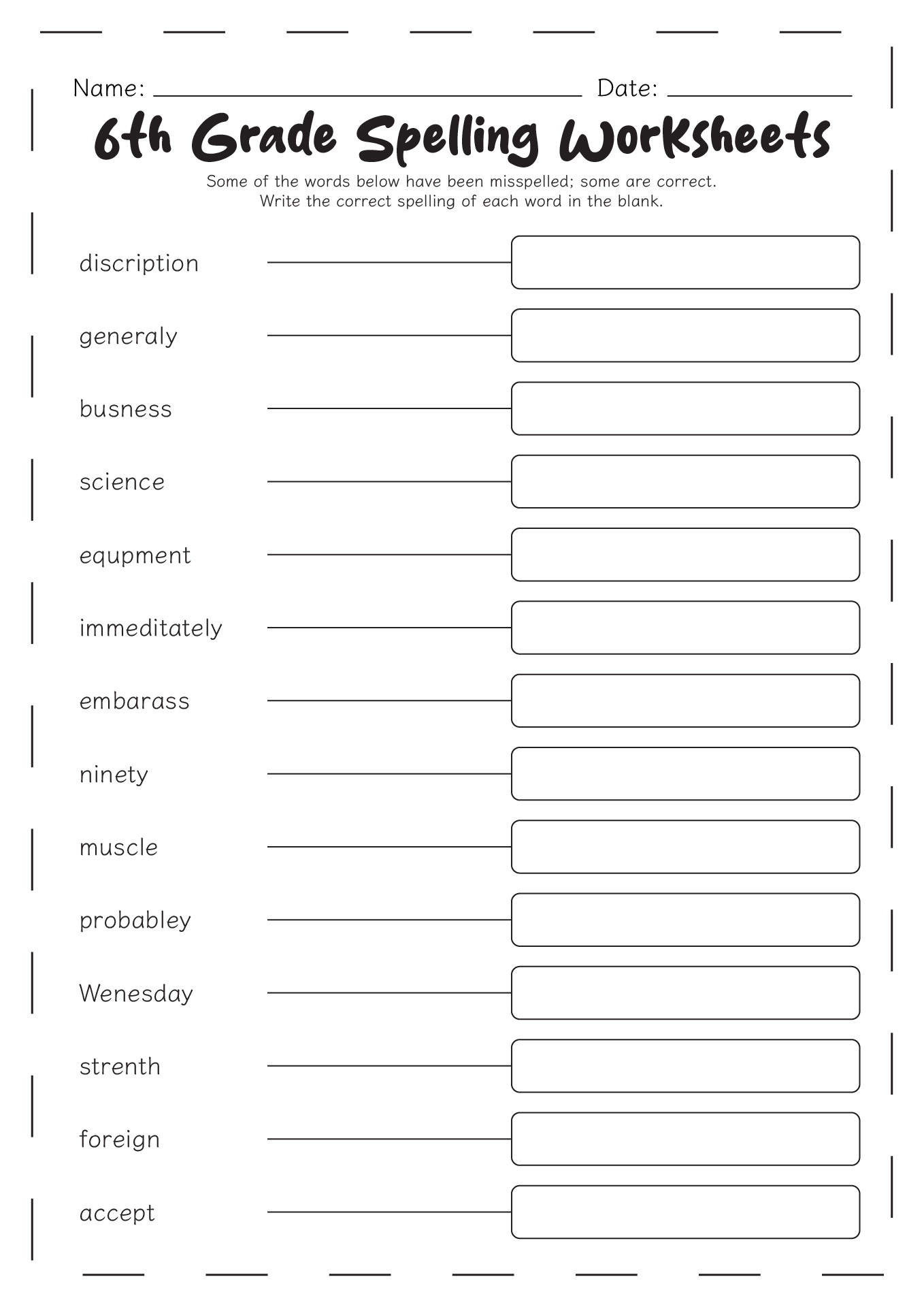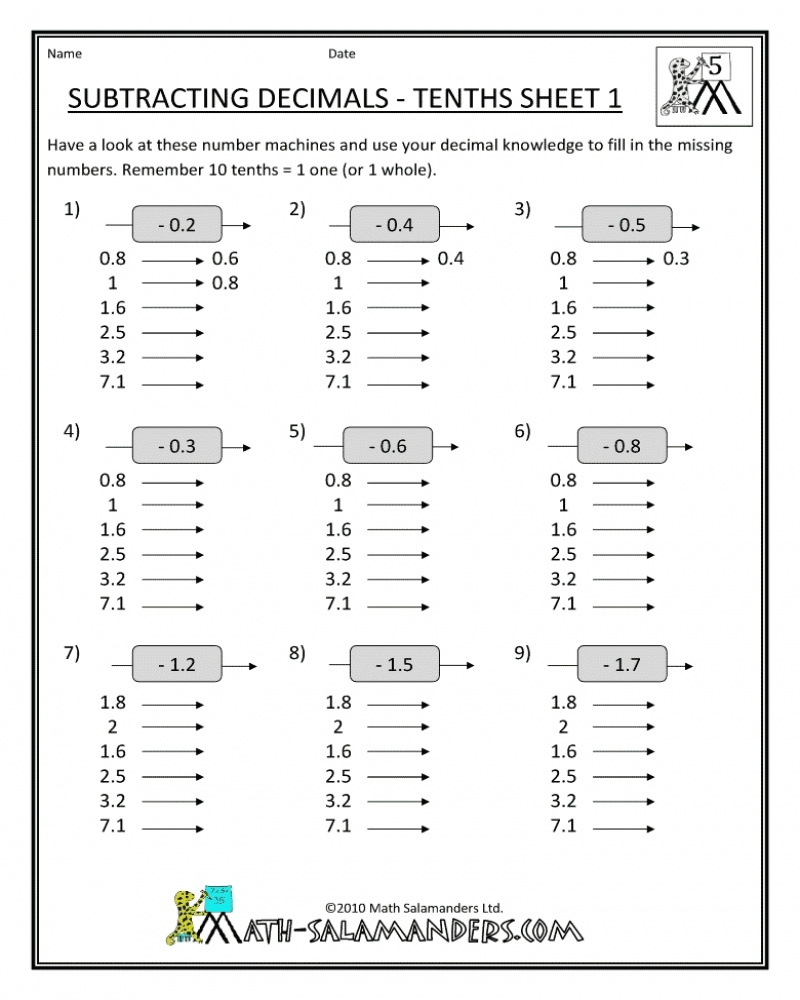
Educational materials tailored for students in their sixth year of schooling play a pivotal role in solidifying foundational knowledge and preparing learners for more complex academic challenges. These comprehensive learning aids are meticulously designed to reinforce key concepts across various subjects, ensuring a smooth transition into higher-level studies. Consistent engagement with such resources helps to deepen understanding, build confidence, and foster independent learning habits essential for academic success. Explore more in our Math Worksheets collection.
💡 Educational Key Takeaways:
- Core Skill: Structured Worksheets For 6th Grade focused on developing pencil grip, stroke control, and early literacy/math confidence.
- Target Scope: Suited for homeschoolers, preschool, kindergarten, and elementary learners.
- Best Recommendation: Practice 10–15 minutes daily with ergonomic writing tools to reinforce muscle memory without hand fatigue.
The primary advantages of utilizing these instructional practice sheets include the reinforcement of classroom lessons, the development of problem-solving skills, and the cultivation of critical thinking abilities. Learners benefit from repeated exposure to essential topics in mathematics, language arts, science, and social studies, leading to improved retention and application of knowledge. Such targeted assignments also provide opportunities for skill development, encouraging precision in calculations, clarity in writing, and logical reasoning in analytical tasks, ultimately fostering a robust academic foundation. For more related activities, check out our Divide 2 Digit Numbers By 2 Digit Numbers Worksheets.
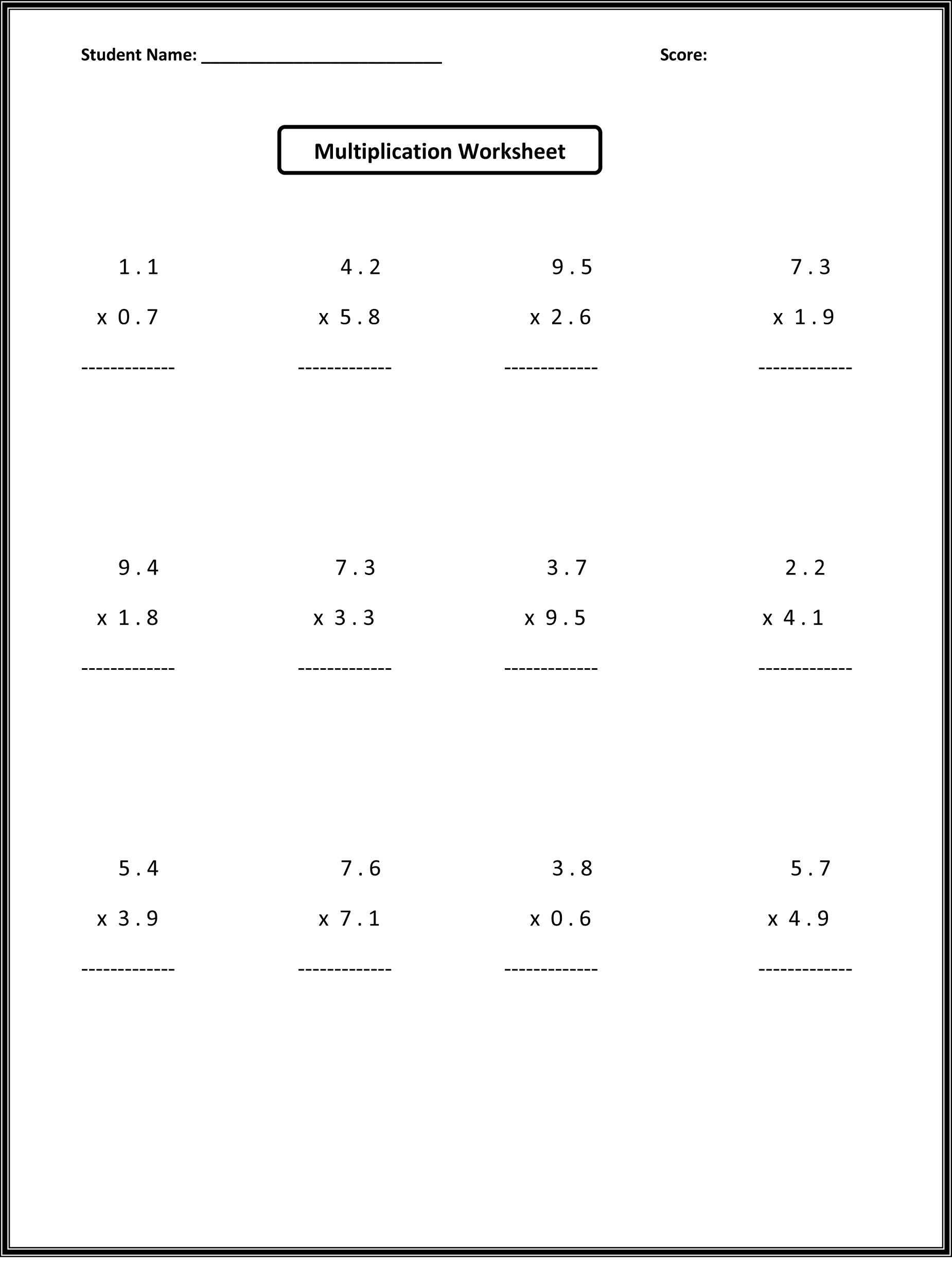
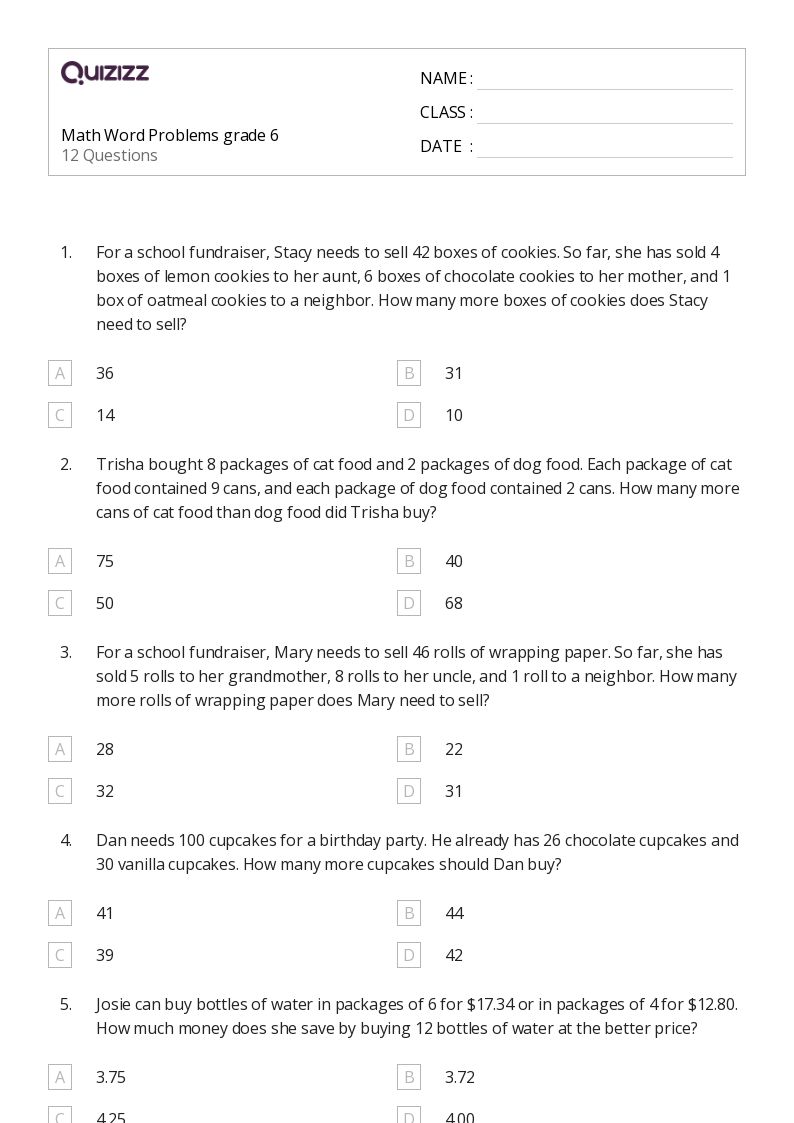
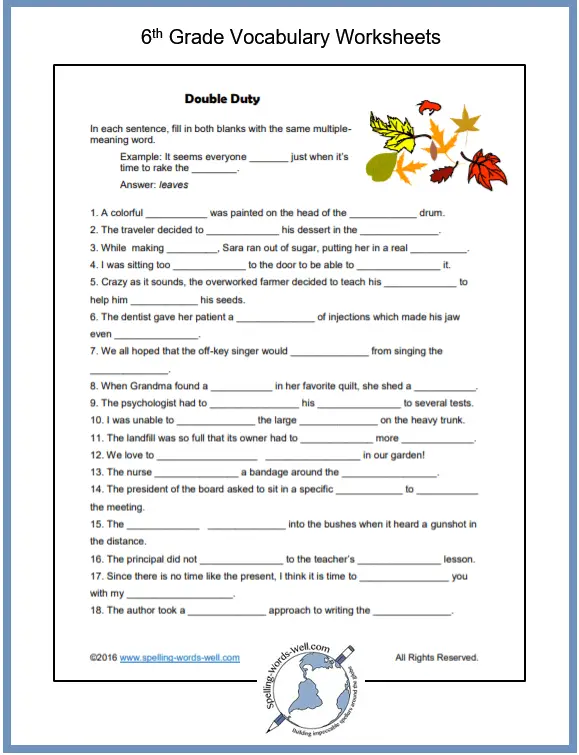
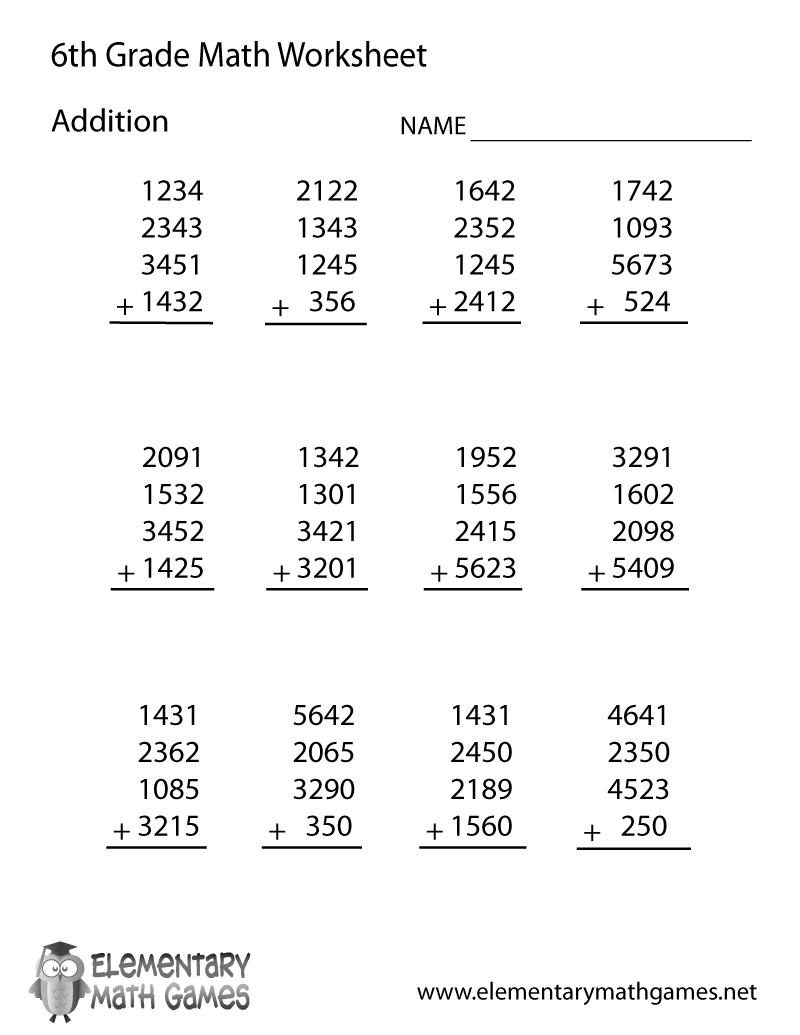
The structure of these curriculum-aligned exercises typically features a diverse range of question types and activities, catering to different learning styles. Components may include multiple-choice questions for concept recall, fill-in-the-blank exercises for vocabulary and definitions, short-answer questions for demonstrating comprehension, and open-ended problems requiring critical analysis or creative expression. Mathematical exercises often cover fractions, decimals, ratios, geometry, and basic algebra, while language arts sections focus on grammar, punctuation, reading comprehension, and writing prompts. Scientific and social studies topics are presented through diagrams, mapping activities, and conceptual questions.
To maximize the effectiveness of these supplementary learning tools, a structured approach is recommended. Learners should begin by reviewing the topic content previously covered in class or from a textbook. Worksheets are best completed in a quiet, distraction-free environment, allowing for focused concentration. It is beneficial to attempt all questions independently before consulting answers, promoting self-reliance and genuine understanding. Should difficulties arise, reviewing related notes or seeking clarification from an educator or peer is advisable. After completion, a thorough review of correct answers and an analysis of any errors helps to identify areas requiring further practice.
Beyond the primary materials, additional learning insights can be gained through exploring related educational printables that offer variations on topics or present concepts from a different perspective. Complementary resources, such as interactive online quizzes, educational videos, or group discussion prompts, can further enhance the learning experience by providing alternative modes of engagement. Encouraging learners to connect the concepts learned from these academic activity pages to real-world scenarios also deepens understanding and illustrates the practical relevance of their studies.
In conclusion, the regular integration of educational materials for this age group serves as an invaluable component of a comprehensive learning strategy. Their structured format and focused content empower learners to master essential skills and concepts, building a strong academic framework for future educational endeavors. Exploring and utilizing these diverse learning aids is highly encouraged to support continuous growth and academic achievement.
Developmental Milestone & Activity Table
| Development Stage | Recommended Daily Duration | Primary Learning Objective |
|---|---|---|
| Preschool & Pre-K | 10 – 15 Minutes | Pencil grip development & basic pre-stroke lines |
| Kindergarten | 15 – 20 Minutes | Letter/number formation & spatial line awareness |
| Early Elementary (Grade 1–2) | 20 – 30 Minutes | Fluency, sentence construction & neatness |
Images References