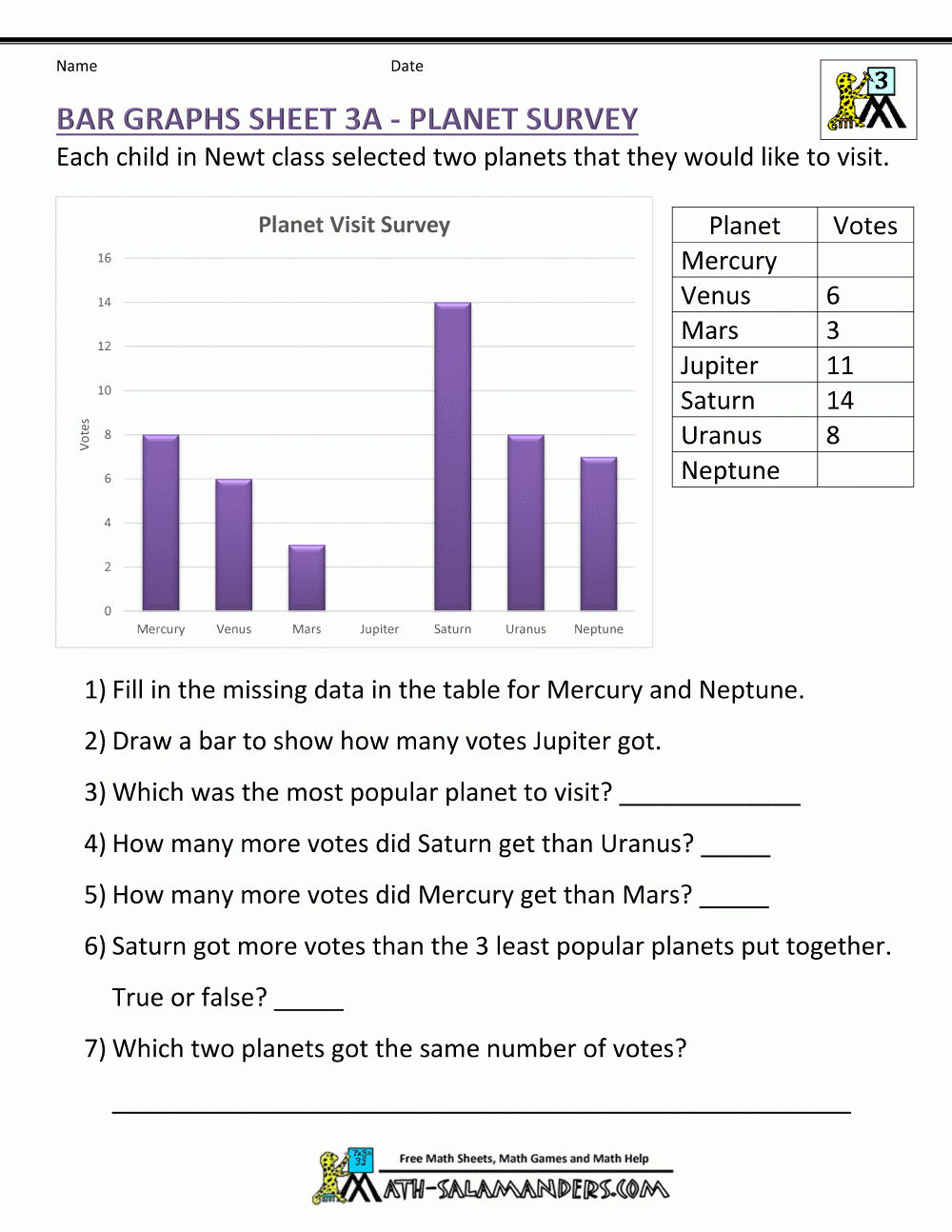
Early mathematical understanding forms a critical cornerstone for a child’s educational journey. Establishing a strong foundation in numerical concepts during the kindergarten years is paramount for future academic success. Resources that provide structured yet engaging activities are invaluable in nurturing these vital skills. Such materials offer a practical and accessible pathway for young learners to grasp fundamental math principles, making the initial foray into arithmetic both enjoyable and productive. They serve as essential tools for reinforcing classroom lessons and supporting home-based learning environments, ensuring consistent progress in early numeracy. Explore more in our Math Worksheets collection.
💡 Educational Key Takeaways:
- Core Skill: Structured Free Printable Kindergarten Worksheets Math focused on developing pencil grip, stroke control, and early literacy/math confidence.
- Target Scope: Suited for homeschoolers, preschool, kindergarten, and elementary learners.
- Best Recommendation: Practice 10–15 minutes daily with ergonomic writing tools to reinforce muscle memory without hand fatigue.
The utilization of readily available educational materials for young children’s mathematical development offers numerous advantages. These structured activities are designed to enhance number recognition, counting proficiency, and the comprehension of basic arithmetic operations. They actively promote the development of critical thinking skills as children learn to identify patterns, solve simple problems, and categorize objects based on numerical attributes. Furthermore, the act of coloring, tracing, and writing within these activities refines fine motor skills and hand-eye coordination, which are crucial for subsequent writing and drawing tasks. This comprehensive approach supports holistic development, preparing children not just for math, but for broader academic challenges. For more related activities, check out our Subtracting Worksheets.
Educational materials designed for early math exploration typically feature a variety of engaging exercises tailored for young minds. Common components include sections for number tracing and writing, activities that involve counting objects and matching them to corresponding numerals, and simple addition or subtraction problems presented with visual aids. Pattern recognition tasks, shape identification, and size comparison activities are also frequently incorporated. Each section is crafted to be visually appealing and interactive, often including illustrations or spaces for drawing, which keeps children motivated and makes learning an enjoyable experience rather than a chore. Discover more free resources across our collection library.
To maximize the effectiveness of these learning aids, a thoughtful approach to their implementation is recommended. Begin by establishing a quiet, comfortable learning space free from distractions. Introduce one activity at a time, providing clear, simple instructions and working alongside the child initially to model the task. Encourage independent completion but offer support when challenges arise, focusing on effort and participation rather than solely on correctness. Integrate play-based learning by using manipulatives, such as blocks or toys, to represent numbers and quantities, bringing abstract concepts to life. Celebrate small successes and maintain a positive, encouraging atmosphere to foster a love for learning.
Beyond the core activities, further enriching the mathematical learning experience can be achieved through supplementary strategies. Pair the exercises with hands-on activities like counting real-world objects, sorting toys by number, or baking, where measuring ingredients introduces practical applications of math. Explore children’s books that incorporate numerical themes or counting rhymes to reinforce concepts through storytelling. Consider complementing these specific math-focused resources with similar materials covering other foundational subjects like literacy or science to create a well-rounded educational experience. Many related educational tools are available, offering diverse approaches to early learning.
In conclusion, incorporating accessible and well-designed educational resources into a child’s early learning routine significantly contributes to building a robust mathematical foundation. These materials effectively introduce essential numerical concepts, develop critical thinking, and refine fine motor skills through engaging activities. Their structured yet playful nature makes the learning process enjoyable and impactful. Exploring and utilizing such valuable learning tools is highly encouraged to support young learners in developing a confident and capable grasp of fundamental mathematical principles, paving the way for lifelong academic success.
Developmental Milestone & Activity Table
| Development Stage | Recommended Daily Duration | Primary Learning Objective |
|---|---|---|
| Preschool & Pre-K | 10 – 15 Minutes | Pencil grip development & basic pre-stroke lines |
| Kindergarten | 15 – 20 Minutes | Letter/number formation & spatial line awareness |
| Early Elementary (Grade 1–2) | 20 – 30 Minutes | Fluency, sentence construction & neatness |