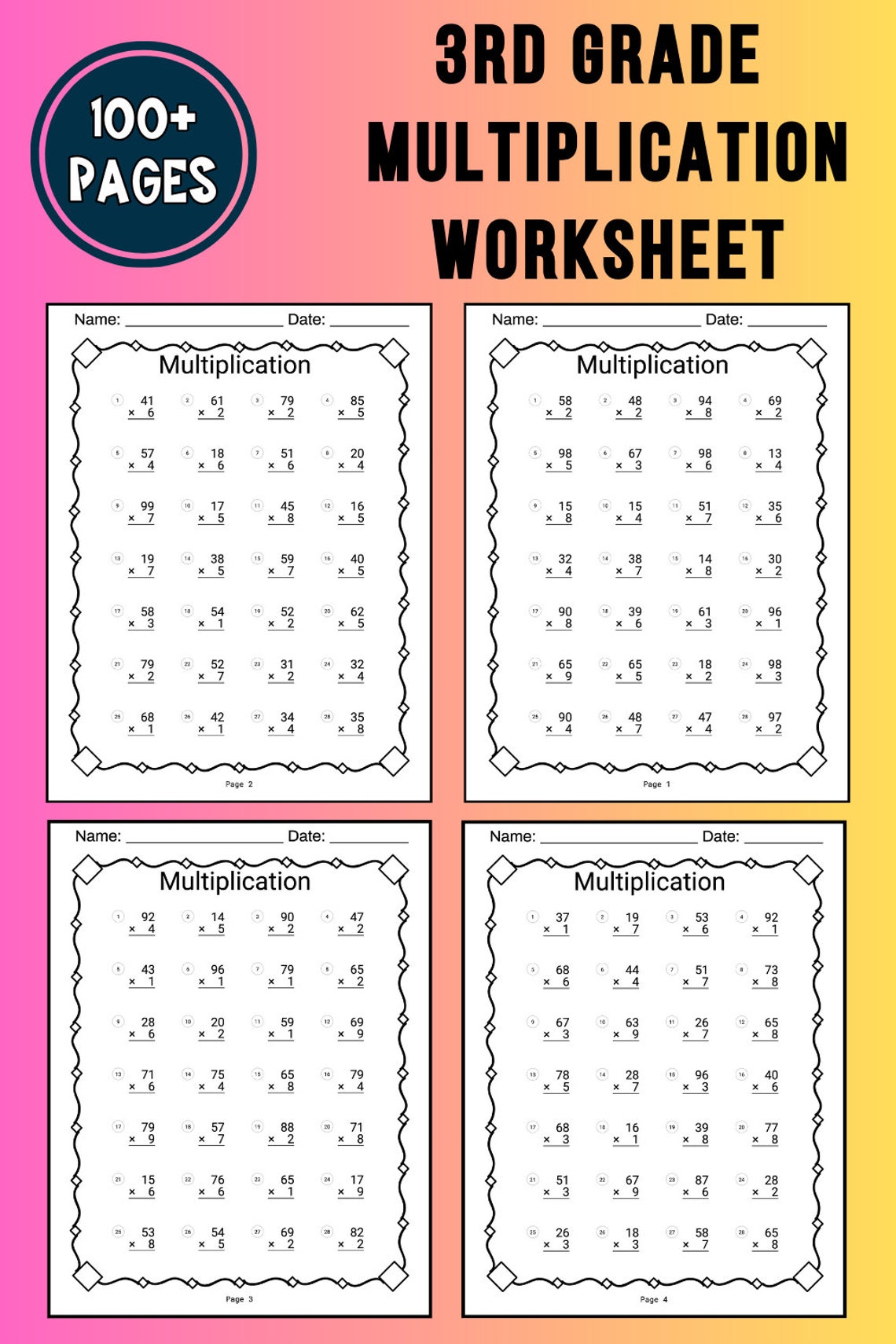
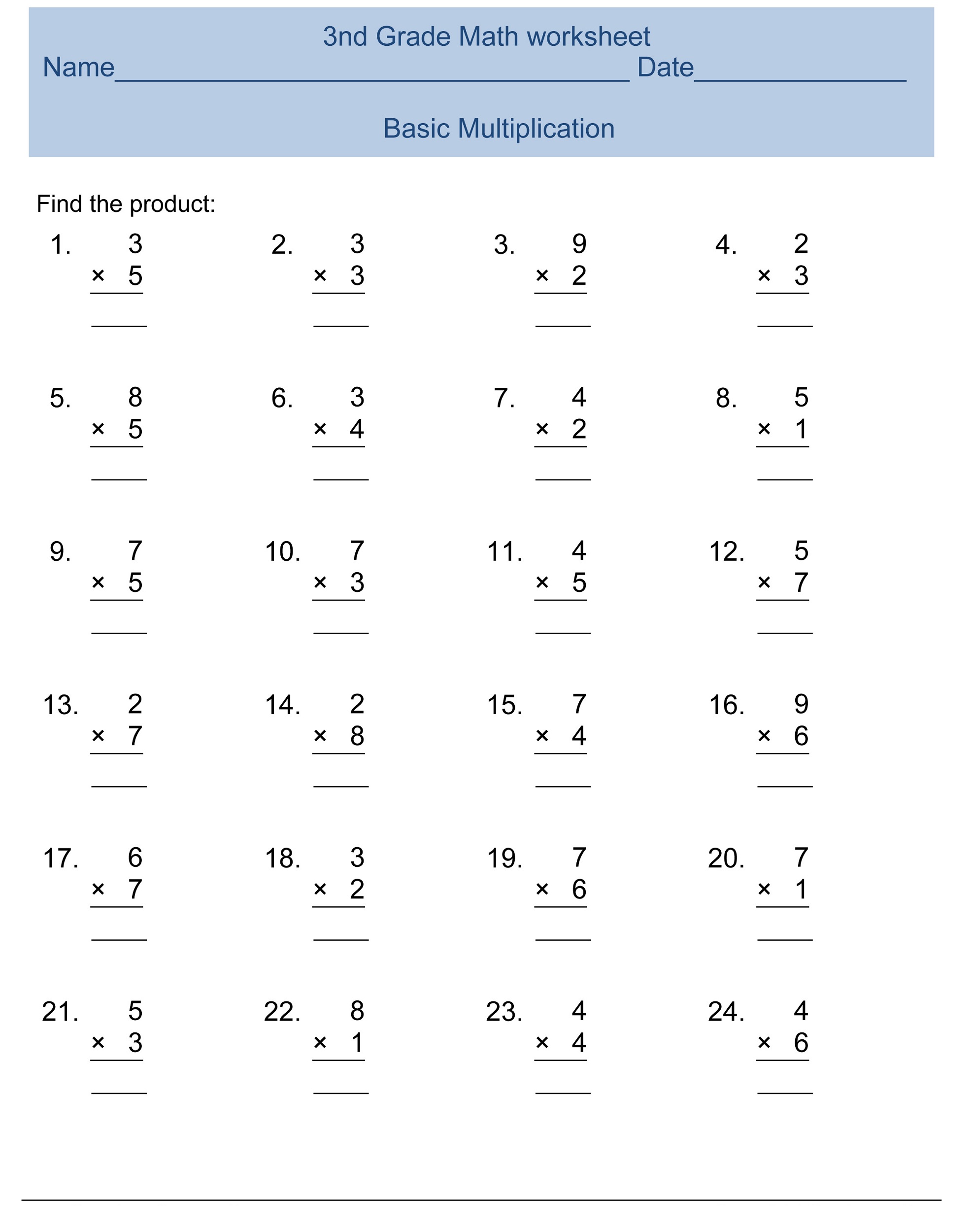
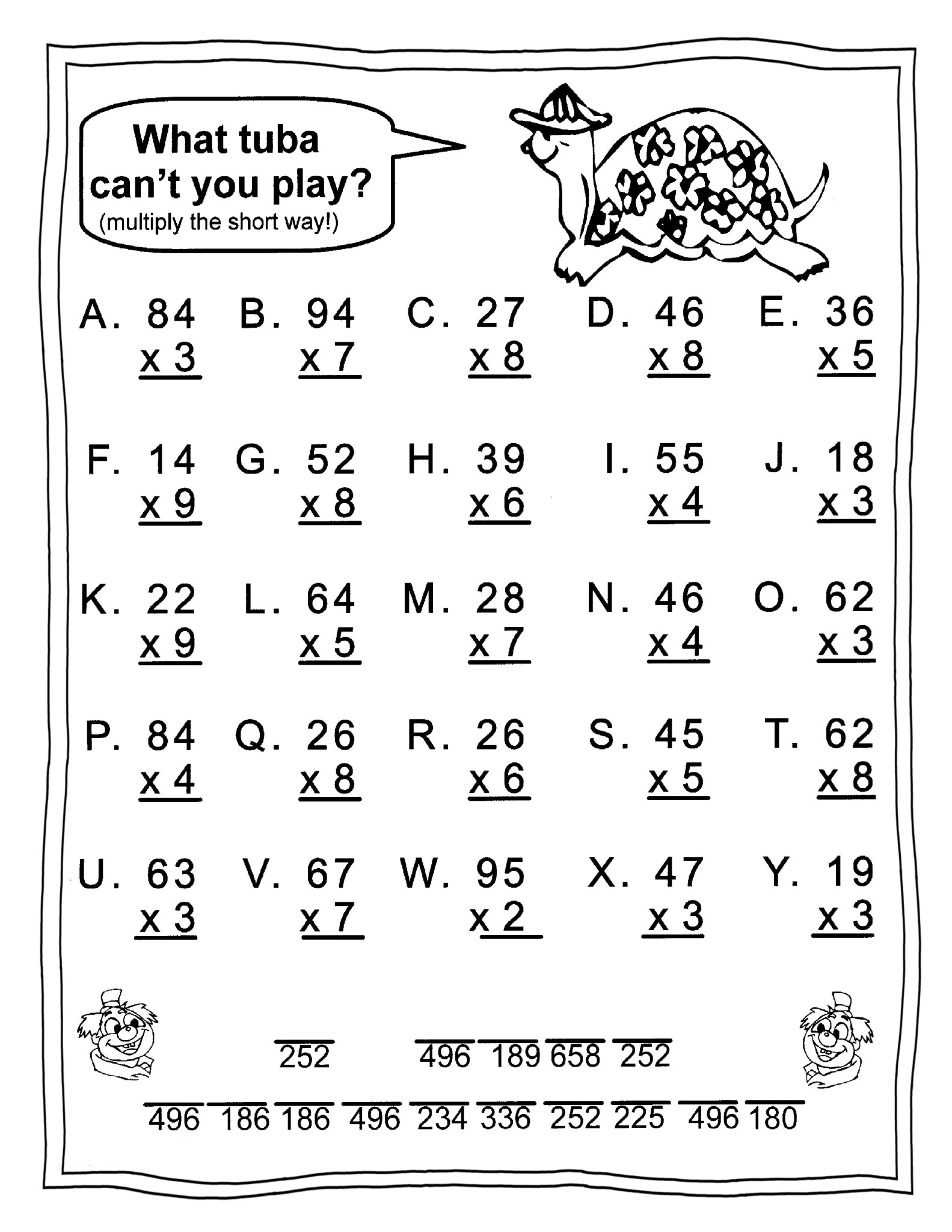
Effective mathematical engagement for third-grade students serves as a critical foundation for future academic success. Resources designed with an emphasis on enjoyment transform routine practice into an exciting exploration of numbers and concepts. Such educational aids are instrumental in solidifying understanding, enhancing problem-solving capabilities, and fostering a positive disposition towards mathematics during these formative years. The strategic integration of interactive learning materials ensures that students not only grasp essential arithmetic principles but also develop the confidence to tackle more complex challenges. Explore more in our Math Worksheets collection.
💡 Educational Key Takeaways:
- Core Skill: Structured Fun Math Worksheets For 3rd Grade focused on developing pencil grip, stroke control, and early literacy/math confidence.
- Target Scope: Suited for homeschoolers, preschool, kindergarten, and elementary learners.
- Best Recommendation: Practice 10–15 minutes daily with ergonomic writing tools to reinforce muscle memory without hand fatigue.
The utilization of appealing mathematical practice sheets offers numerous educational advantages. These materials are specifically crafted to reinforce foundational concepts such as addition, subtraction, early multiplication, and division, while also introducing basic geometry and fractions in an accessible manner. Key learning outcomes include improved number sense, enhanced logical reasoning, and a boost in critical thinking skills, all presented within a context that reduces potential anxieties associated with mathematics. The visually stimulating nature of these resources helps maintain student focus, making the learning process more intuitive and memorable. For more related activities, check out our Math Worksheets Place Value.
Typically, these developmentally appropriate math exercises feature a variety of engaging elements. Common components include colorful illustrations, relatable themes such as nature, sports, or everyday activities, and diverse question formats. Students may encounter fill-in-the-blank problems, matching games, word problems designed to encourage practical application, tracing activities, mazes that incorporate arithmetic, and multiple-choice questions. The content is often structured to gradually increase in complexity, ensuring a smooth learning curve while providing ample opportunities for reinforcement through varied problem types. Discover more free resources across our collection library.
To maximize the educational impact of these interactive math practice materials, a structured approach is recommended. It is beneficial to establish a calm and focused environment, free from distractions. Before beginning, a brief review of the instructions can ensure clarity. Students should be encouraged to attempt problems independently first, fostering self-reliance. When assistance is needed, guidance should focus on helping students discover solutions rather than simply providing answers, thereby strengthening their conceptual understanding. Celebrating effort and incremental progress is crucial for building sustained motivation. These resources function best as a supplementary tool, complementing classroom instruction rather than replacing it.
Further enriching the mathematical learning experience involves exploring additional pedagogical strategies. Incorporating physical manipulatives alongside printed exercises can provide a tangible dimension to abstract concepts, enhancing comprehension. Connecting mathematical problems to real-world scenarios helps students recognize the practical relevance of their learning. Exploring a range of similar educational tools, such as interactive digital games or storybooks with mathematical themes, can diversify learning methods. Consistent, short practice sessions tend to be more effective than infrequent, long ones, promoting steady skill development. Adaptability in the presentation of problems can also cater to various learning styles, ensuring broad accessibility.
In conclusion, well-designed, enjoyable mathematical challenges for third graders are invaluable educational instruments. They play a pivotal role in solidifying fundamental math skills, fostering a positive attitude towards the subject, and developing essential problem-solving abilities. The consistent application of these engaging educational aids contributes significantly to a student’s confidence and overall academic growth. Exploring and utilizing such varied and appealing resources is highly encouraged to support and enrich the mathematical journey of young learners.
Developmental Milestone & Activity Table
| Development Stage | Recommended Daily Duration | Primary Learning Objective |
|---|---|---|
| Preschool & Pre-K | 10 – 15 Minutes | Pencil grip development & basic pre-stroke lines |
| Kindergarten | 15 – 20 Minutes | Letter/number formation & spatial line awareness |
| Early Elementary (Grade 1–2) | 20 – 30 Minutes | Fluency, sentence construction & neatness |
Images References