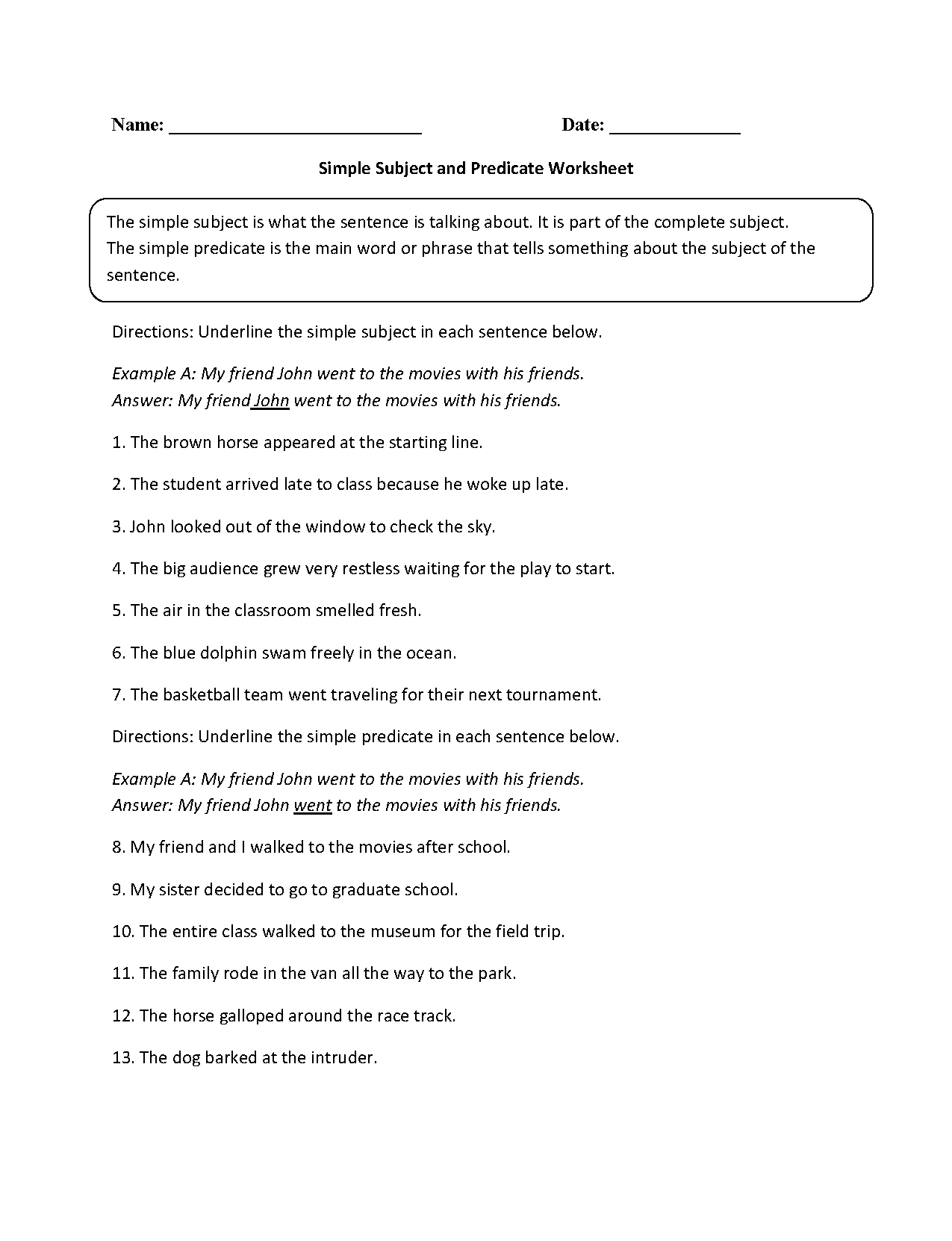
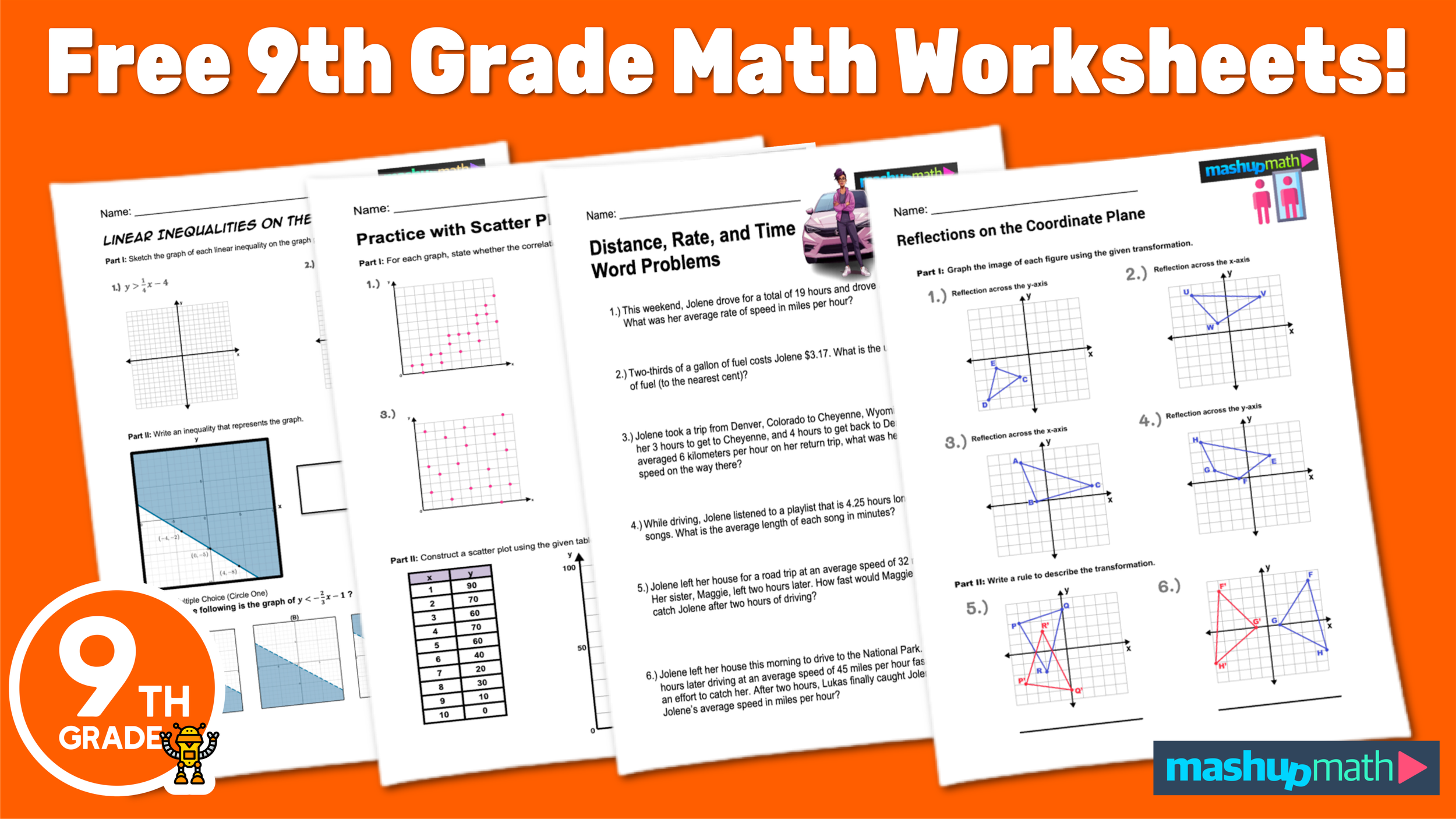
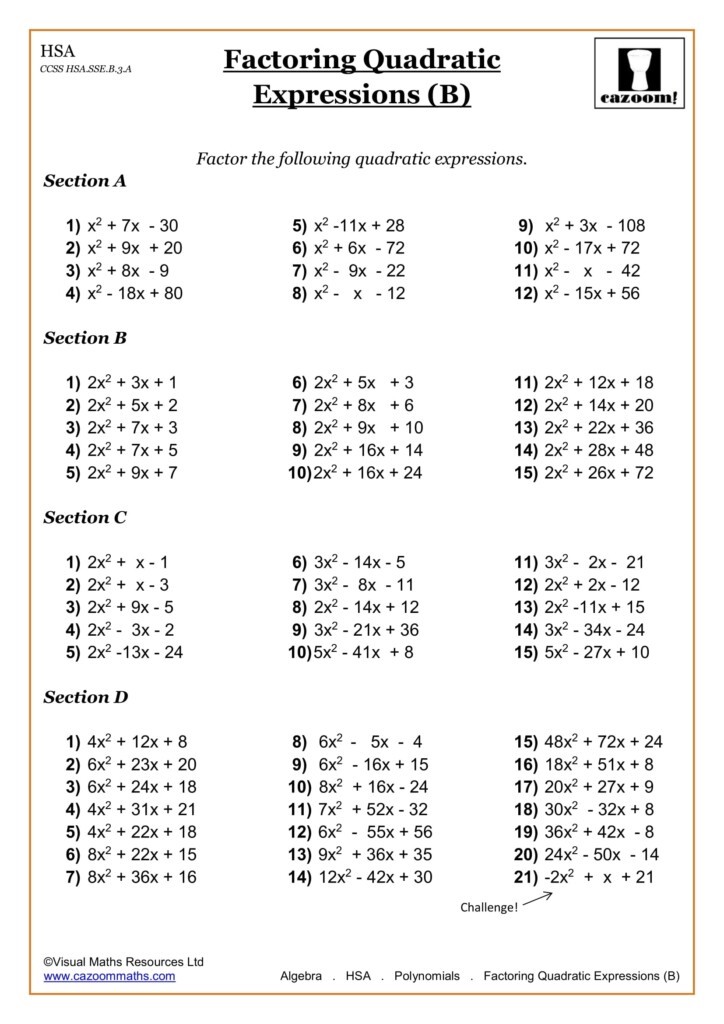
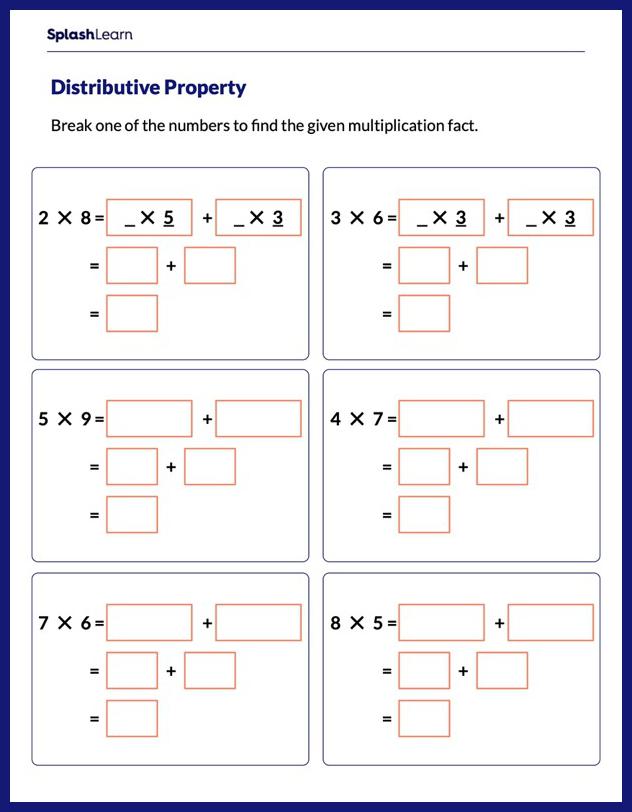
The transition to ninth grade marks a significant step in a student’s academic journey, characterized by more complex subjects and a greater demand for independent study. During this pivotal period, access to effective supplementary learning materials becomes invaluable for reinforcing classroom instruction and developing deeper understanding. Properly designed educational resources can bridge knowledge gaps, solidify foundational concepts, and prepare students for the advanced challenges of high school coursework, ensuring a smoother progression through their studies. Explore more in our Math Worksheets collection.
💡 Educational Key Takeaways:
- Core Skill: Structured Free Printable Worksheets For 9th Graders focused on developing pencil grip, stroke control, and early literacy/math confidence.
- Target Scope: Suited for homeschoolers, preschool, kindergarten, and elementary learners.
- Best Recommendation: Practice 10–15 minutes daily with ergonomic writing tools to reinforce muscle memory without hand fatigue.
Utilizing well-crafted learning aids offers a multitude of benefits essential for academic success. These resources promote active learning by requiring direct engagement with subject matter, moving beyond passive absorption of information. They support the development of critical thinking skills through problem-solving exercises and analytical tasks. Furthermore, regular practice with such materials enhances retention of key concepts, builds confidence in tackling difficult topics, and improves readiness for examinations. This consistent application of knowledge is crucial for long-term mastery and academic achievement across various subjects. For more related activities, check out our Printable Gradebook Sheets.
Typically, these valuable educational supplements are structured to cover a wide range of subjects pertinent to the ninth-grade curriculum, including mathematics, science, English language arts, and social studies. Content may encompass various formats such as multiple-choice questions designed to test recall, short-answer prompts that encourage deeper analytical responses, complex problem-solving scenarios requiring step-by-step solutions, and graphic organizers that help visually map out concepts. Each component is carefully developed to reinforce specific learning objectives and address different learning styles. Discover more free resources across our collection library.
To maximize the effectiveness of these learning tools, a structured approach to their utilization is recommended. First, it is beneficial to review relevant class notes or textbook chapters before attempting any exercises, ensuring familiarity with the core concepts. Next, engage with the activities independently, striving to solve problems without immediate assistance. After completing a section, compare answers with provided solutions or consult reliable sources, paying close attention to any incorrect responses. Analyzing errors is a powerful learning opportunity, as it highlights areas requiring further study and reinforces correct understanding. Consistency in practice, perhaps dedicating a set time each day or week, yields the best results.
Beyond direct engagement with the practice sheets, several complementary strategies can enhance the learning experience. Establishing a dedicated study space free from distractions can significantly improve focus. Integrating these exercises into a balanced study schedule ensures consistent review without leading to burnout. Collaboration with peers on challenging problems, followed by a discussion of different approaches, can also deepen comprehension. When encountering persistent difficulties, seeking clarification from educators or subject matter experts is always encouraged, as direct feedback can provide invaluable insights. Exploring a variety of educational content, including videos and interactive simulations, alongside the static practice materials can offer a more comprehensive understanding.
Engaging with readily available educational supplements represents a proactive step towards academic excellence in ninth grade. These carefully designed materials serve as powerful tools for reinforcing learning, building essential skills, and fostering a confident approach to complex subjects. By downloading and systematically integrating these resources into a study routine, students can significantly enhance their understanding, improve their grades, and lay a strong foundation for future academic success. It is encouraged to explore the diverse range of offerings and discover how they can empower the learning journey.
Developmental Milestone & Activity Table
| Development Stage | Recommended Daily Duration | Primary Learning Objective |
|---|---|---|
| Preschool & Pre-K | 10 – 15 Minutes | Pencil grip development & basic pre-stroke lines |
| Kindergarten | 15 – 20 Minutes | Letter/number formation & spatial line awareness |
| Early Elementary (Grade 1–2) | 20 – 30 Minutes | Fluency, sentence construction & neatness |
Images References