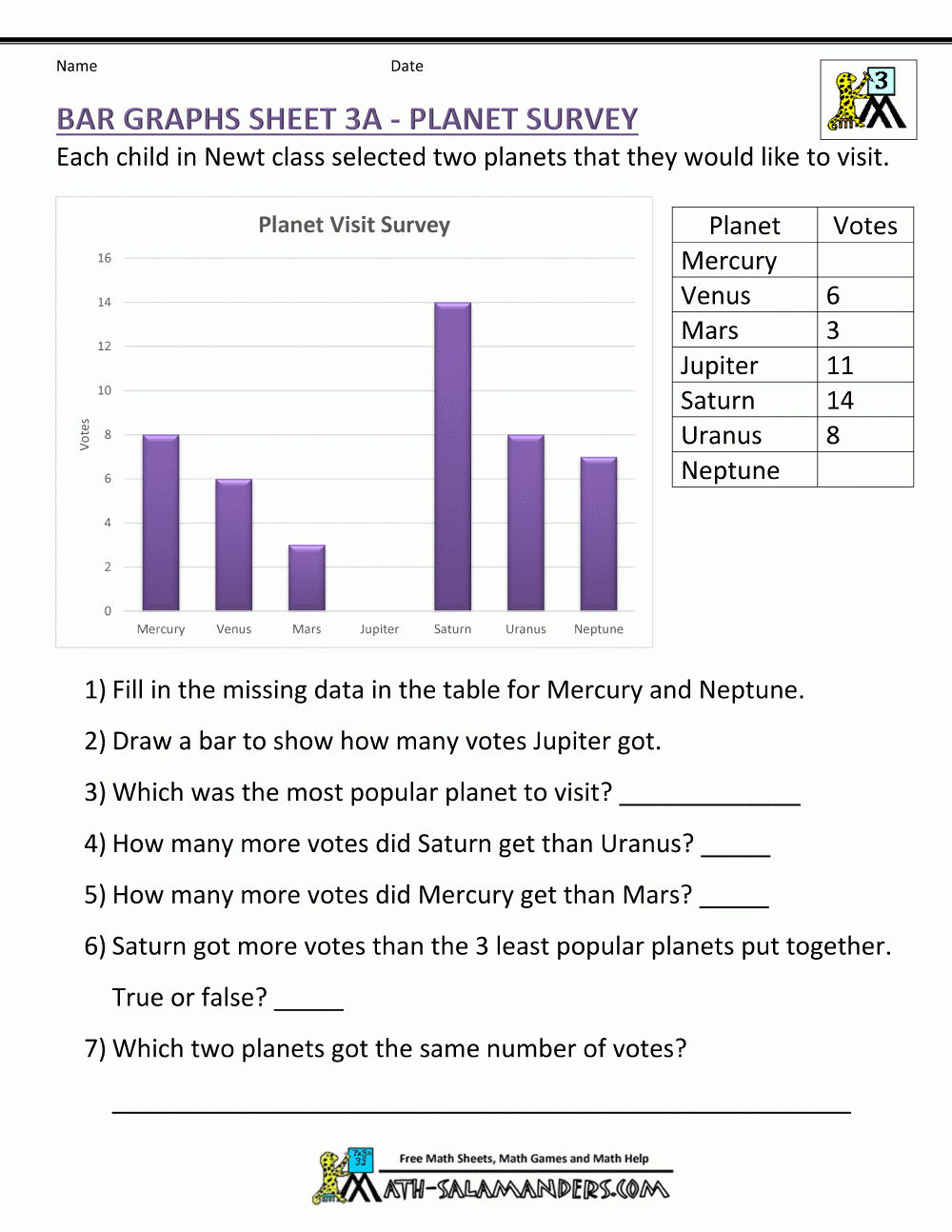
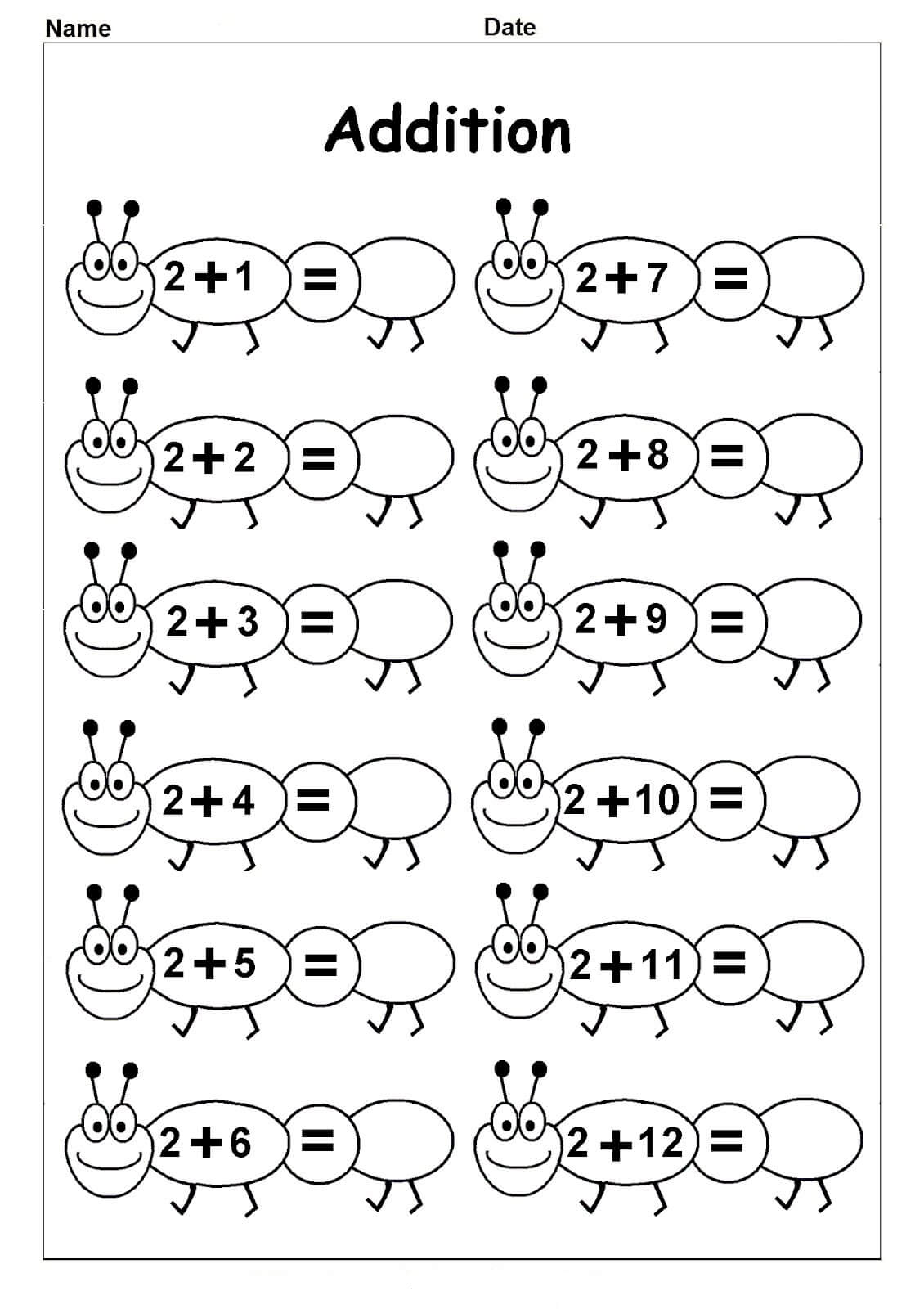
The journey toward academic mastery often necessitates consistent practice and a structured approach to learning. Engaging with accessible, printable educational resources plays a crucial role in solidifying foundational skills across various subjects. These carefully designed practice materials serve as a vital tool for learners aiming to reinforce concepts, build confidence, and develop a strong grasp of core competencies, particularly in mathematics and reading comprehension. Their availability in a digital format significantly enhances convenience, allowing for flexible study schedules and repeated practice sessions as needed. Explore more in our Math Worksheets collection.
💡 Educational Key Takeaways:
- Core Skill: Structured Kumon Worksheets Pdf focused on developing pencil grip, stroke control, and early literacy/math confidence.
- Target Scope: Suited for homeschoolers, preschool, kindergarten, and elementary learners.
- Best Recommendation: Practice 10–15 minutes daily with ergonomic writing tools to reinforce muscle memory without hand fatigue.
Utilizing these structured learning documents offers numerous benefits for learners of all ages. They are instrumental in fostering self-reliance and discipline, as consistent engagement encourages independent study habits. The incremental design of the exercises helps in developing a deep, rather than superficial, understanding of topics, supporting systematic skill development. Regular interaction with the material also aids in improving accuracy and processing speed, critical elements for academic success. Furthermore, the ability to track progress through completed sections provides a clear visual representation of learning achievements, motivating learners to continue their educational pursuits.
The typical structure of these educational materials is characterized by a systematic, step-by-step progression. Content often begins with fundamental concepts and gradually introduces more complex problems, ensuring a smooth learning curve. Commonly encountered activities include arithmetic drills, algebraic equations, geometry problems, reading passages followed by comprehension questions, and grammar exercises. Each sheet usually focuses on a specific skill, providing ample repetition to ensure mastery before advancing. Many of these resources also integrate mechanisms for self-correction, such as answer keys, empowering learners to identify and understand their mistakes independently. Discover more free resources across our collection library.
To maximize the effectiveness of these practice sheets, a methodical approach is highly recommended. First, it is beneficial to conduct an initial assessment to determine the appropriate starting level, ensuring the exercises are challenging yet manageable. Second, establish a consistent daily or weekly schedule for practice, dedicating short, focused periods to each session to prevent burnout and promote retention. Third, prioritize accuracy over speed initially; once a high level of correctness is achieved, learners can then concentrate on completing tasks more efficiently. Fourth, actively engage in self-correction by reviewing incorrect answers and understanding the underlying concepts. Finally, maintain a record of completed pages and mastered topics to monitor progress and identify areas that may require additional attention.
For an even more enriched learning experience, several additional tips can be incorporated. Creating a quiet, distraction-free study environment significantly enhances concentration and productivity. Utilizing a timer for designated practice periods can help improve focus and manage time effectively. While these practice documents are excellent for skill reinforcement, supplementing them with conceptual explanations or engaging in discussions with a mentor can deepen understanding. Exploring official programs or authorized providers can also lead to guidance on recommended learning sequences and access to a broader range of related materials, ensuring a comprehensive educational journey. A supportive home or learning environment, where effort is praised and mistakes are viewed as learning opportunities, greatly contributes to a positive attitude towards studies.
In conclusion, the strategic use of these digital, structured learning materials offers a robust pathway to enhancing academic proficiency and building self-confidence. Their systematic approach to skill development, combined with the convenience of printable access, makes them an invaluable asset for anyone committed to foundational learning. Proactive engagement with such accessible educational tools can significantly impact a learner’s ability to grasp complex subjects, reinforce understanding, and cultivate a lifelong love for learning. Learners are encouraged to explore and integrate these beneficial practice sheets into their study routines to unlock their full academic potential.
Developmental Milestone & Activity Table
| Development Stage | Recommended Daily Duration | Primary Learning Objective |
|---|---|---|
| Preschool & Pre-K | 10 – 15 Minutes | Pencil grip development & basic pre-stroke lines |
| Kindergarten | 15 – 20 Minutes | Letter/number formation & spatial line awareness |
| Early Elementary (Grade 1–2) | 20 – 30 Minutes | Fluency, sentence construction & neatness |