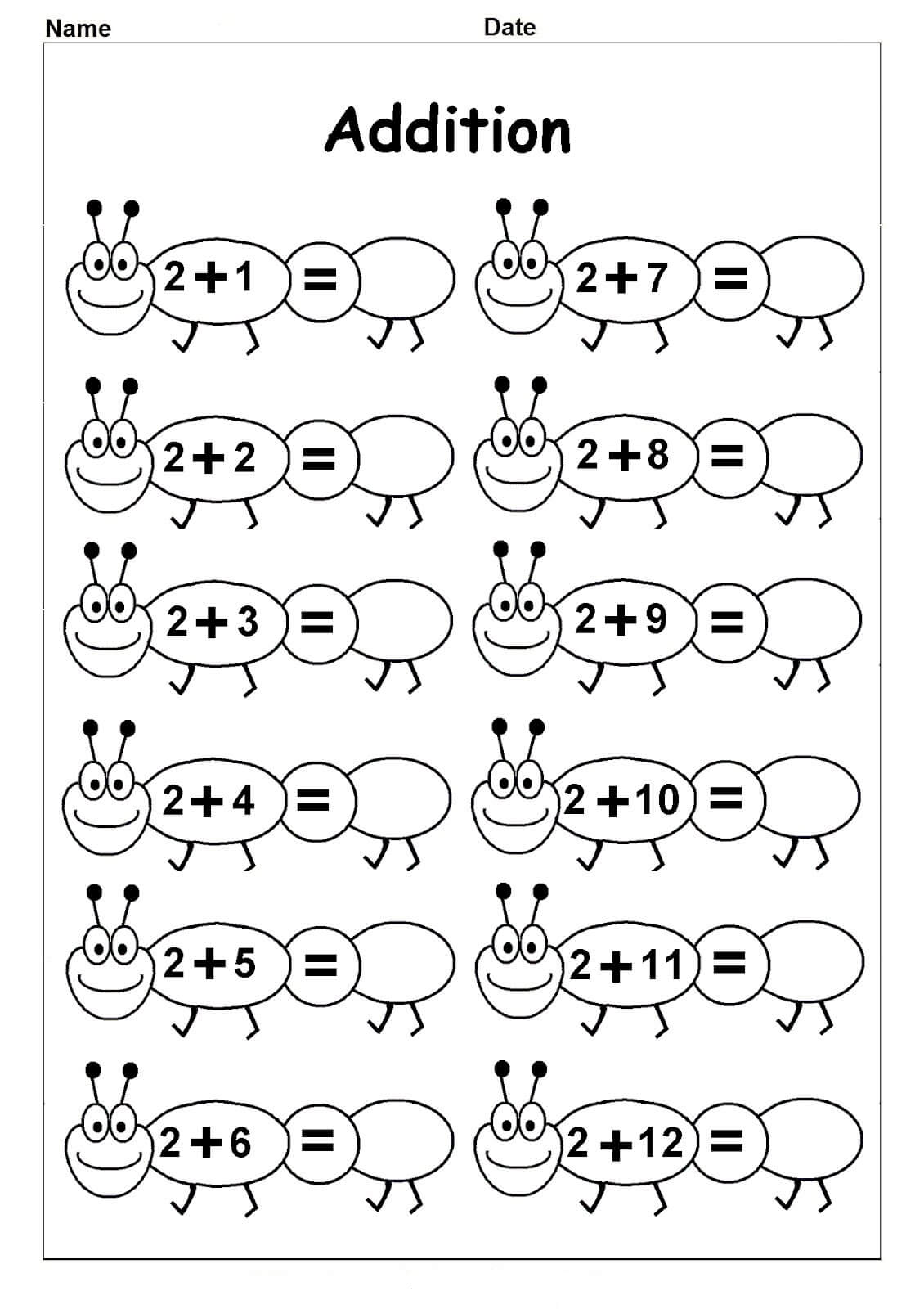
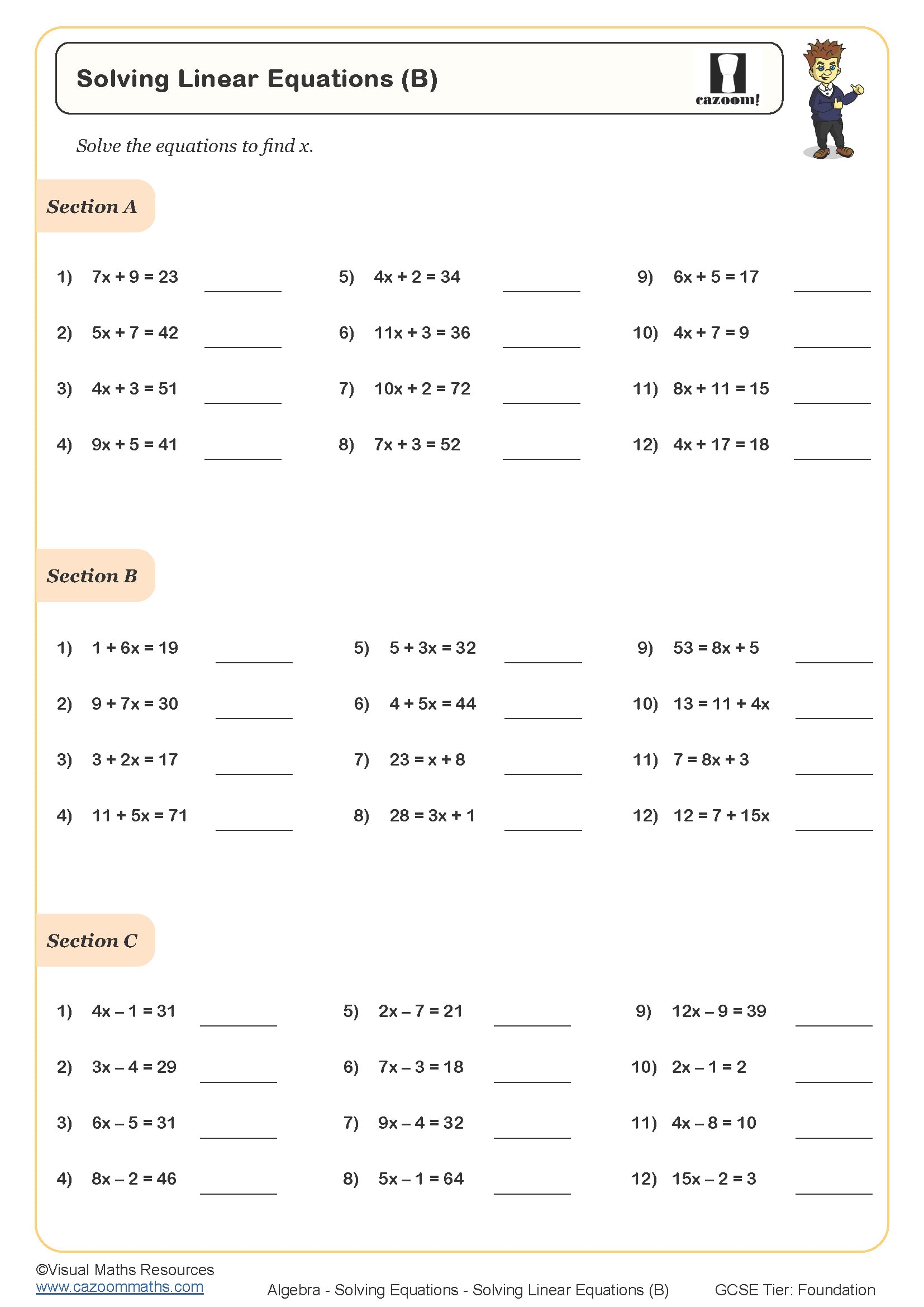
Mastery of fundamental arithmetic operations forms the bedrock of mathematical proficiency, crucial for academic success and everyday problem-solving. Dedicated practice materials that consolidate these core skills are instrumental in building a strong mathematical foundation. Resources designed to encompass all four primary operations addition, subtraction, multiplication, and division provide a comprehensive approach to skill development, ensuring learners grasp the interconnectedness of these essential concepts. Explore more in our Math Worksheets category.
💡 Educational Key Takeaways:
- Core Skill: Structured Multiplication Division Subtraction And Addition Worksheets focused on developing pencil grip, stroke control, and early literacy/math confidence.
- Target Scope: Suited for homeschoolers, preschool, kindergarten, and elementary learners.
- Best Recommendation: Practice 10–15 minutes daily with ergonomic writing tools to reinforce muscle memory without hand fatigue.
The structured application of these foundational arithmetic sheets offers numerous educational advantages. Regular engagement supports the development of computational fluency, enhancing both accuracy and speed in performing calculations. Such practice also fosters critical thinking skills by requiring the selection of appropriate operations to solve diverse problems. Furthermore, consistent exposure helps solidify number sense, allowing learners to estimate answers and identify errors more effectively. These comprehensive exercises are vital tools for reinforcing classroom learning and promoting independent study. Related guide: Pre K Math Addition Worksheets.
Typically, these combined arithmetic practice sets are structured to present a varied range of challenges. They may feature dedicated sections for each operation, allowing for focused practice, or integrate mixed problems that require careful analysis to determine the correct arithmetic method. Content often includes basic single-digit calculations, progressing to multi-digit problems, and frequently incorporates word problems to develop practical application skills. Some resources also include answer keys to facilitate self-assessment and promote independent learning. Browse more guides on Cheap Worksheets.
To maximize the educational impact of these fundamental math resources, a systematic approach is recommended. Begin by reviewing the underlying concepts for each operation to ensure conceptual understanding precedes rote memorization. Approach the exercises regularly, perhaps dedicating short, consistent sessions rather than infrequent, long ones. When tackling problems, demonstrate each step of the calculation, rather than just writing the answer, to reinforce the process. Utilize the provided answer keys to check work and identify areas requiring further attention, focusing on understanding any mistakes made. It is beneficial to alternate between practicing individual operations and engaging with mixed problem sets to build versatility.
For continued growth in mathematical abilities, consider exploring supplementary materials that build upon these foundational skills. Once proficiency in basic operations is established, move on to resources covering topics such as fractions, decimals, and percentages, which often rely heavily on a solid understanding of addition, subtraction, multiplication, and division. Online educational platforms, interactive math games, and supplementary textbooks can offer diverse learning experiences that complement the practice sheets. Consistent revision and application of learned concepts are key to long-term retention and mastery.
The benefits of utilizing well-designed practice materials for basic arithmetic operations are undeniable, laying a robust groundwork for all future mathematical endeavors. These essential practice documents enhance computational skills, foster critical thinking, and build confidence. Learners are encouraged to access and engage with these vital learning tools to strengthen their quantitative abilities and explore the wealth of related educational content available for further mathematical enrichment.
Developmental Milestone & Activity Table
| Development Stage | Recommended Daily Duration | Primary Learning Objective |
|---|---|---|
| Preschool & Pre-K | 10 – 15 Minutes | Pencil grip development & basic pre-stroke lines |
| Kindergarten | 15 – 20 Minutes | Letter/number formation & spatial line awareness |
| Early Elementary (Grade 1–2) | 20 – 30 Minutes | Fluency, sentence construction & neatness |