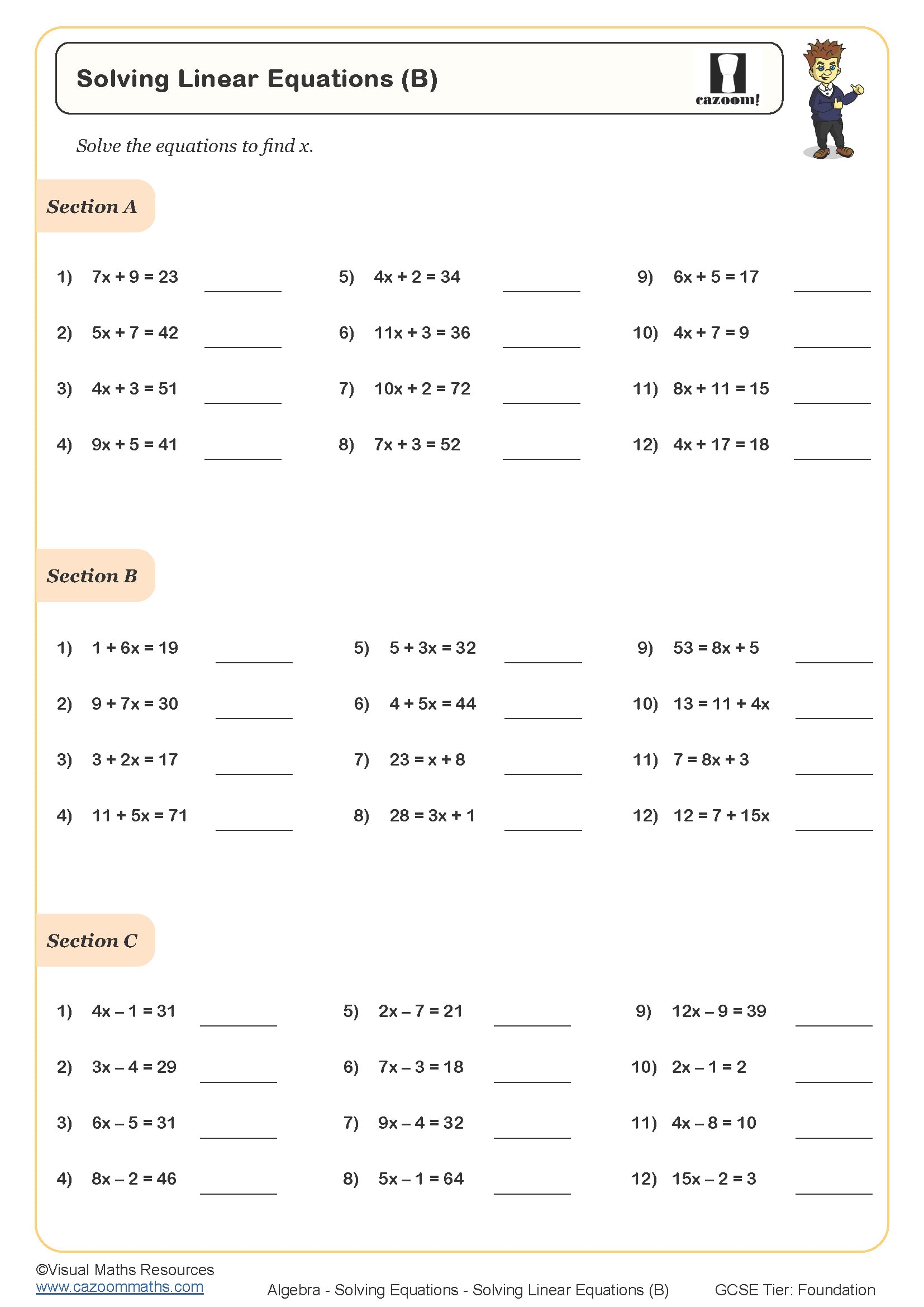
Mastering fundamental algebraic operations is a cornerstone of mathematical proficiency. A dedicated focus on combining algebraic terms, as presented in this valuable resource, significantly enhances a learner’s ability to manipulate mathematical structures efficiently. This practice material is meticulously designed to solidify understanding, enabling a clearer grasp of how various symbolic arrangements interact and simplify. Through structured exercises, individuals can develop the precision and insight required for more advanced mathematical pursuits, making the process of simplifying symbolic statements both accessible and engaging. Explore more in our Math Worksheets category.
💡 Educational Key Takeaways:
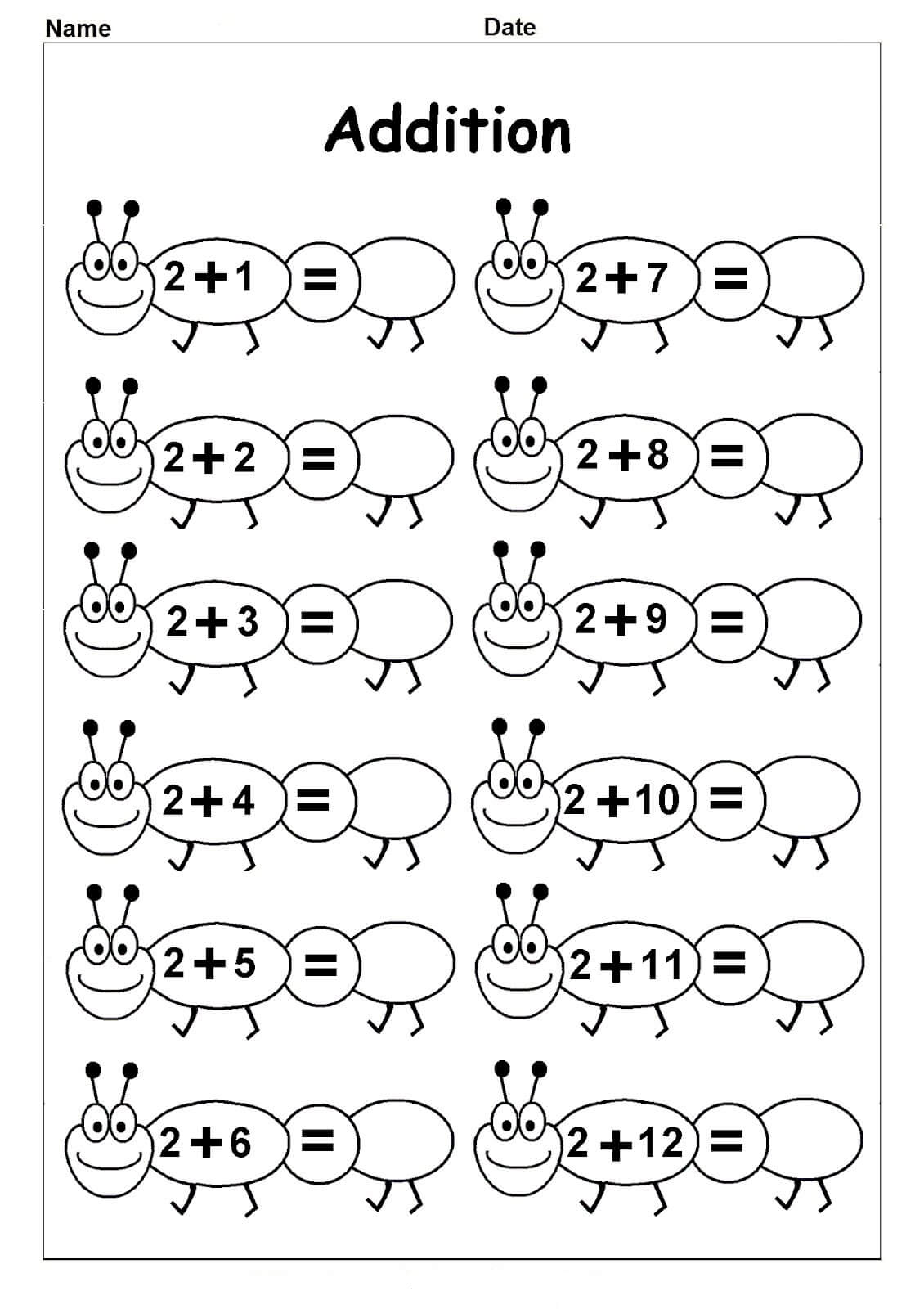
- Core Skill: Structured Adding Expressions focused on developing pencil grip, stroke control, and early literacy/math confidence.
- Target Scope: Suited for homeschoolers, preschool, kindergarten, and elementary learners.
- Best Recommendation: Practice 10–15 minutes daily with ergonomic writing tools to reinforce muscle memory without hand fatigue.
Engaging with this resource offers numerous educational advantages. It supports the development of crucial foundational algebra skills, which are indispensable for higher-level mathematics. Learners gain proficiency in identifying and aggregating like terms, a critical skill for simplifying complex equations and understanding polynomial behavior. Furthermore, consistent practice cultivates analytical thinking and problem-solving strategies, preparing individuals to confidently approach more intricate mathematical challenges. The iterative process of working through problems fosters accuracy and meticulousness, reducing errors in calculations and strengthening overall mathematical reasoning. Related guide: Rocket Math Worksheets.
The structure of this learning tool typically begins with clear examples that illustrate the core principles of combining algebraic components. These are often followed by a series of practice problems, progressively increasing in complexity. Sections might include exercises focused on monomials, binomials, and polynomials, incorporating both positive and negative coefficients, as well as fractional or decimal values. The methodical arrangement ensures that learners build confidence with basic operations before advancing to more sophisticated arrangements, providing ample opportunities for both guided practice and independent application of learned concepts. Browse more guides on Cheap Worksheets.
To maximize the effectiveness of this practice material, a systematic approach is highly recommended. Initially, a thorough review of foundational concepts, such as identifying like terms, understanding coefficients, and recognizing constants, is beneficial. Proceed by carefully studying the provided examples, ensuring a complete comprehension of each step involved in the simplification process. When attempting the practice problems, work through them systematically, paying close attention to signs and the correct grouping of terms. Utilizing scratch paper for intermediate steps can prevent errors and aid in clarity. It is also highly effective to double-check all work, reinforcing accuracy and promoting self-correction. Active recall and spaced repetition, by revisiting problems periodically, further embed the learning.
For continued growth in algebraic understanding, exploring supplementary resources is highly beneficial. Engaging with online tutorials, educational videos, or relevant textbook sections that delve into algebraic simplification can provide alternative explanations and deepen comprehension. Considering related practice materials, such as those focusing on subtracting or multiplying algebraic constructs, will build upon the skills acquired here, fostering a more holistic grasp of polynomial operations. Consistent practice is paramount, reinforcing the understanding of underlying rules and principles, which in turn builds a robust mathematical foundation.
The dedicated engagement with this worksheet on combining algebraic terms is an invaluable step in mastering foundational mathematical concepts. The benefits extend beyond mere calculation, fostering critical thinking and problem-solving abilities essential for academic and professional success. Continued exploration of related materials and consistent practice will undoubtedly solidify these vital skills. Individuals are encouraged to download and explore this resource, and other complementary learning tools, to further enhance their mathematical journey and confidently tackle future challenges.
Developmental Milestone & Activity Table
| Development Stage | Recommended Daily Duration | Primary Learning Objective |
|---|---|---|
| Preschool & Pre-K | 10 – 15 Minutes | Pencil grip development & basic pre-stroke lines |
| Kindergarten | 15 – 20 Minutes | Letter/number formation & spatial line awareness |
| Early Elementary (Grade 1–2) | 20 – 30 Minutes | Fluency, sentence construction & neatness |