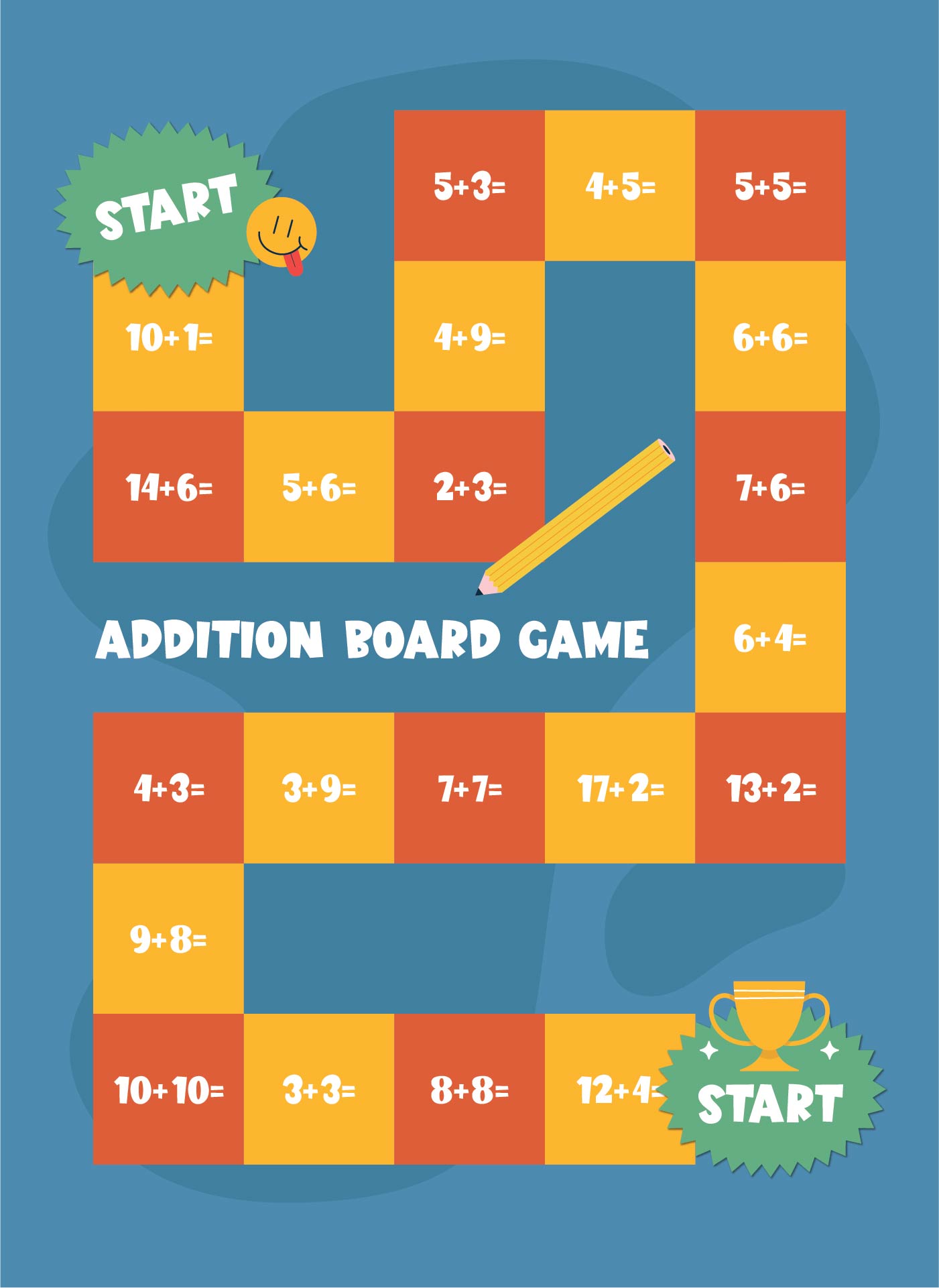
Engaging with mathematics often involves connecting abstract concepts to relatable scenarios, fostering a deeper and more enjoyable learning experience. Worksheets designed with creative themes, such as one exploring the intriguing premise of “the world’s saddest candy” in a mathematical context, serve a crucial role in this process. Such a resource transforms traditional arithmetic and problem-solving into an imaginative journey, making the acquisition of new skills less daunting and more interactive. It particularly aids in developing practical application of mathematical principles, demonstrating how numbers and logic are integral to understanding even the most whimsical situations.
💡 Educational Key Takeaways:
- Core Skill: Structured What Is The World's Saddest Candy Math Worksheet Answers focused on developing pencil grip, stroke control, and early literacy/math confidence.
- Target Scope: Suited for homeschoolers, preschool, kindergarten, and elementary learners.
- Best Recommendation: Practice 10–15 minutes daily with ergonomic writing tools to reinforce muscle memory without hand fatigue.
The benefits of utilizing such an unconventional math exercise are multifaceted. It significantly enhances critical thinking abilities by presenting problems within a narrative framework, requiring learners to extract relevant information and apply appropriate mathematical operations. This approach also cultivates problem-solving skills, encouraging the decomposition of complex “candy-related” scenarios into manageable mathematical steps. Furthermore, the novel theme can mitigate math anxiety, transforming a potentially intimidating subject into an approachable and even humorous challenge. It supports the development of numerical literacy, logical reasoning, and the ability to interpret data presented in a story-driven format, all while encouraging a positive attitude towards learning mathematics. Related guide: Life Skills Math Worksheets.
Typically, an exercise of this nature might be structured to include a variety of problem types, all interwoven with the central “saddest candy” theme. Questions could range from calculating quantities of candies remaining after unfortunate events (e.g., melting, falling), determining the cost implications of various candy mishaps, or comparing different “sadness levels” using numerical scales. The worksheet may feature word problems, fill-in-the-blank questions, or multiple-choice options, each designed to test different mathematical competencies such as addition, subtraction, multiplication, division, or even basic fractions and percentages. The narrative context provides a memorable backdrop for these diverse mathematical challenges. Browse more guides on Cheap Worksheets.
To maximize the learning potential derived from this type of worksheet, a methodical approach is highly recommended. Firstly, carefully read each problem, ensuring a thorough understanding of the “candy scenario” and the specific mathematical question posed. Next, identify the key numerical information and the operation required to solve the problem. It is beneficial to show all work, as this not only reinforces the learning process but also helps in pinpointing errors if the final answer is incorrect. Upon completion, review the answers provided, not merely to check for correctness but to comprehend the solution methodology. If difficulties arise, seeking clarification or additional examples is an effective strategy for overcoming learning obstacles.
Beyond the direct application of this particular resource, several additional tips can enhance mathematical proficiency. Actively connecting the mathematical concepts encountered in the worksheet to everyday life, even if through imaginative scenarios, can solidify understanding. Engaging in collaborative problem-solving with peers can offer diverse perspectives and reinforce learning through discussion. Practicing time management by setting a gentle timer for completing sections of the worksheet can also build efficiency. For continued skill development, exploring other creatively themed math worksheets or online interactive exercises that focus on similar mathematical principles is highly encouraged.
Ultimately, resources like this cleverly themed math worksheet provide an exceptional avenue for making mathematics accessible, engaging, and genuinely enjoyable. Their ability to contextualize abstract problems within a memorable narrative significantly boosts comprehension and retention, building foundational skills and fostering a lifelong appreciation for numerical challenges. Enthusiastic engagement with such unique learning materials empowers individuals to develop confidence and mastery in mathematics. Exploring and downloading these and related worksheets is a highly beneficial step in enhancing mathematical aptitude.
Developmental Milestone & Activity Table
| Development Stage | Recommended Daily Duration | Primary Learning Objective |
|---|---|---|
| Preschool & Pre-K | 10 – 15 Minutes | Pencil grip development & basic pre-stroke lines |
| Kindergarten | 15 – 20 Minutes | Letter/number formation & spatial line awareness |
| Early Elementary (Grade 1–2) | 20 – 30 Minutes | Fluency, sentence construction & neatness |