Engaging young learners in the foundational stages of their education requires thoughtfully designed resources. These educational materials play a pivotal role in solidifying core academic skills, providing a structured approach to practice and reinforcement. The consistent application of tailored learning tools helps children master essential concepts in subjects such as mathematics, language arts, and early science, building a robust academic foundation that supports future learning endeavors. Explore more in our Math Worksheets category.
💡 Educational Key Takeaways:
- Core Skill: Structured Worksheets For 2nd Graders focused on developing pencil grip, stroke control, and early literacy/math confidence.
- Target Scope: Suited for homeschoolers, preschool, kindergarten, and elementary learners.
- Best Recommendation: Practice 10–15 minutes daily with ergonomic writing tools to reinforce muscle memory without hand fatigue.
The primary benefit of utilizing these practice sheets lies in their ability to provide targeted skill development. They facilitate the reinforcement of classroom lessons, offering opportunities for repetition crucial for mastery in early elementary years. Furthermore, these academic aids encourage critical thinking by presenting problems that require careful analysis and application of learned concepts. They also foster independence as students learn to follow instructions and complete tasks autonomously, significantly boosting self-confidence and a positive attitude towards learning. Related guide: Kindergarten Math Addition And Subtraction Worksheets.
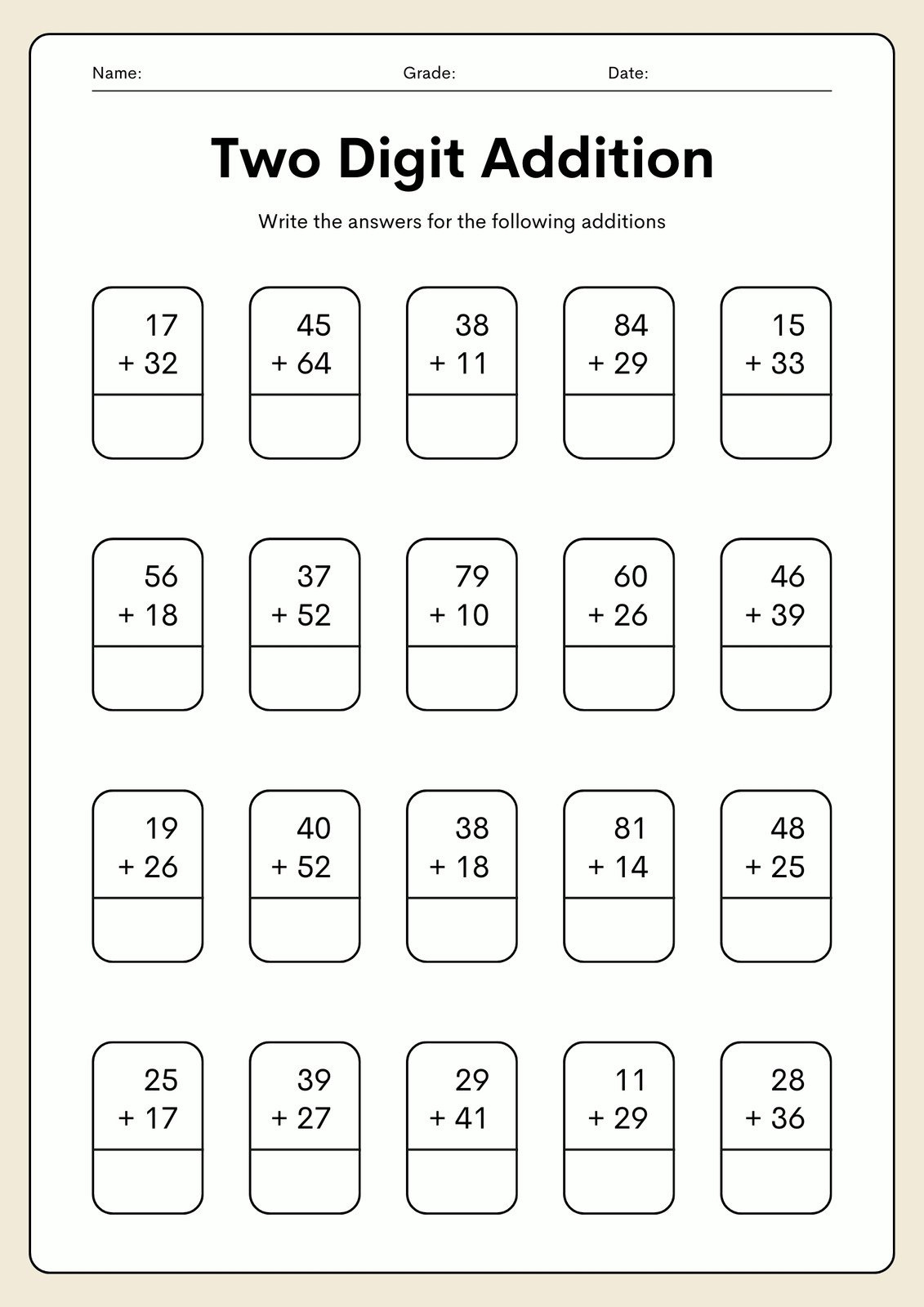
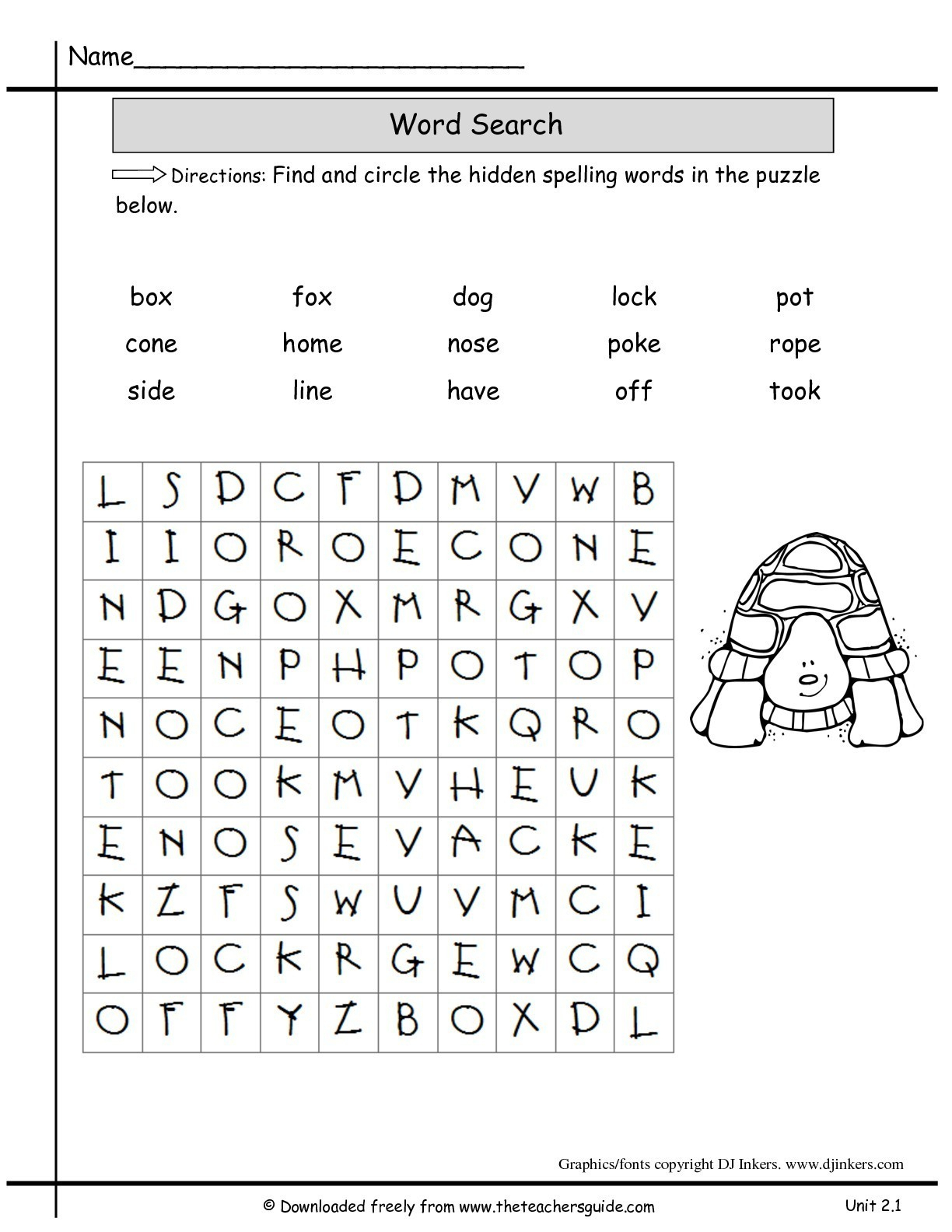
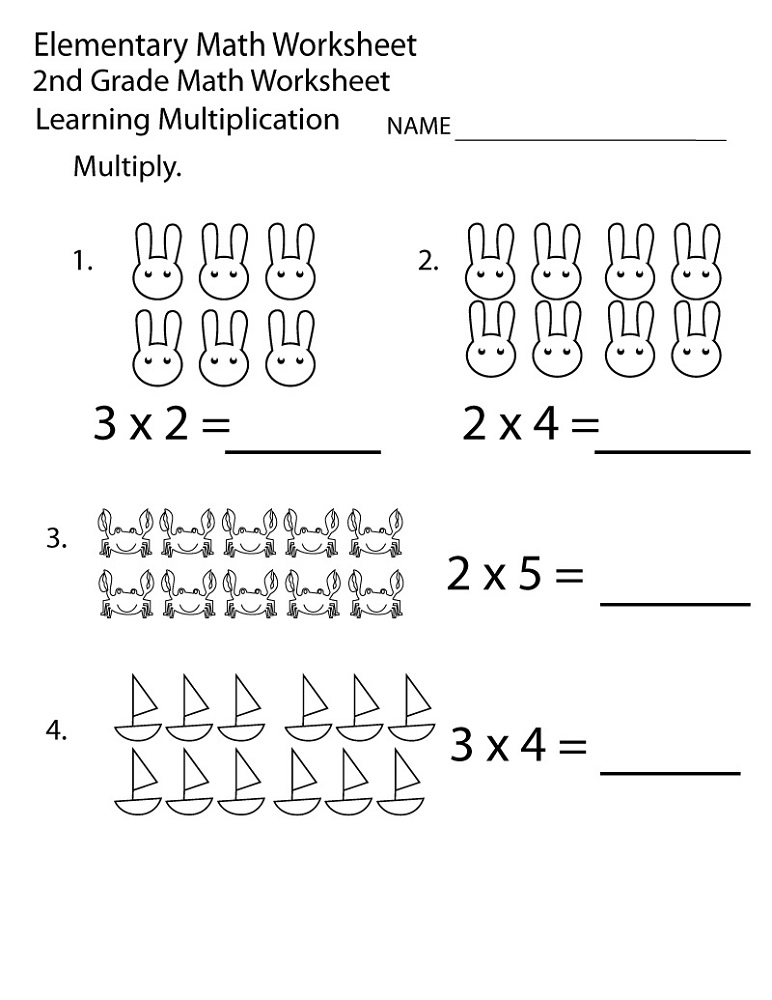
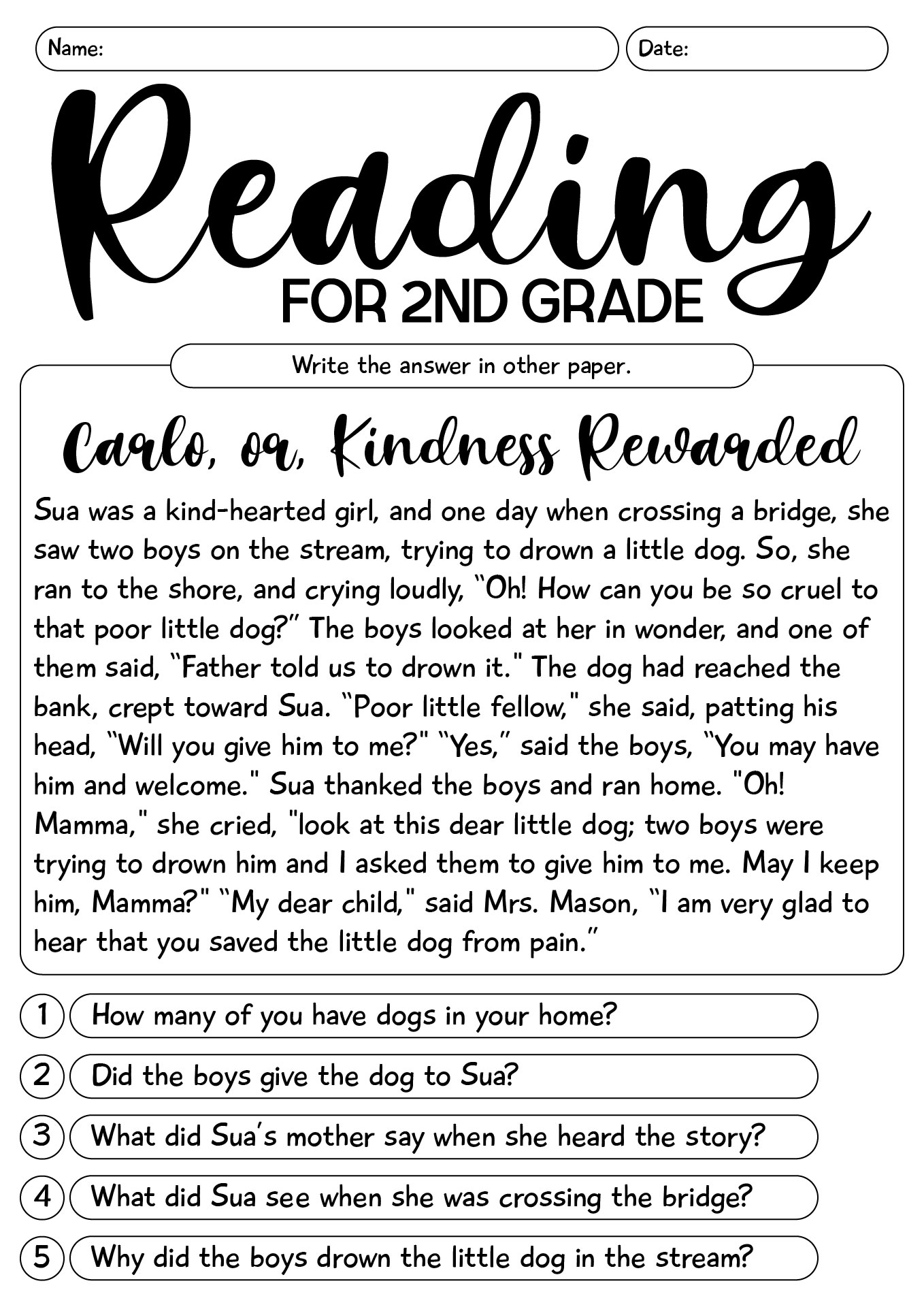
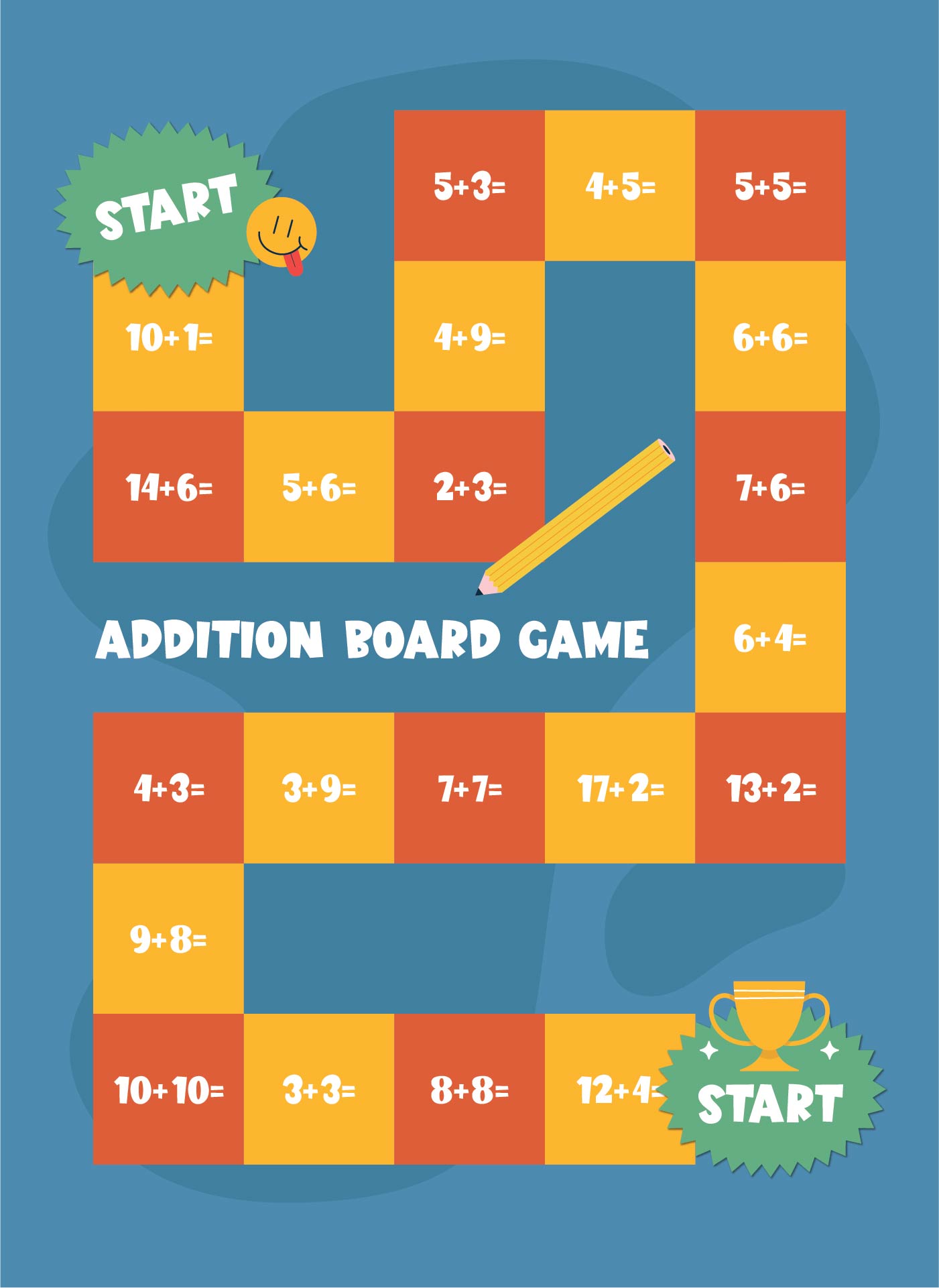
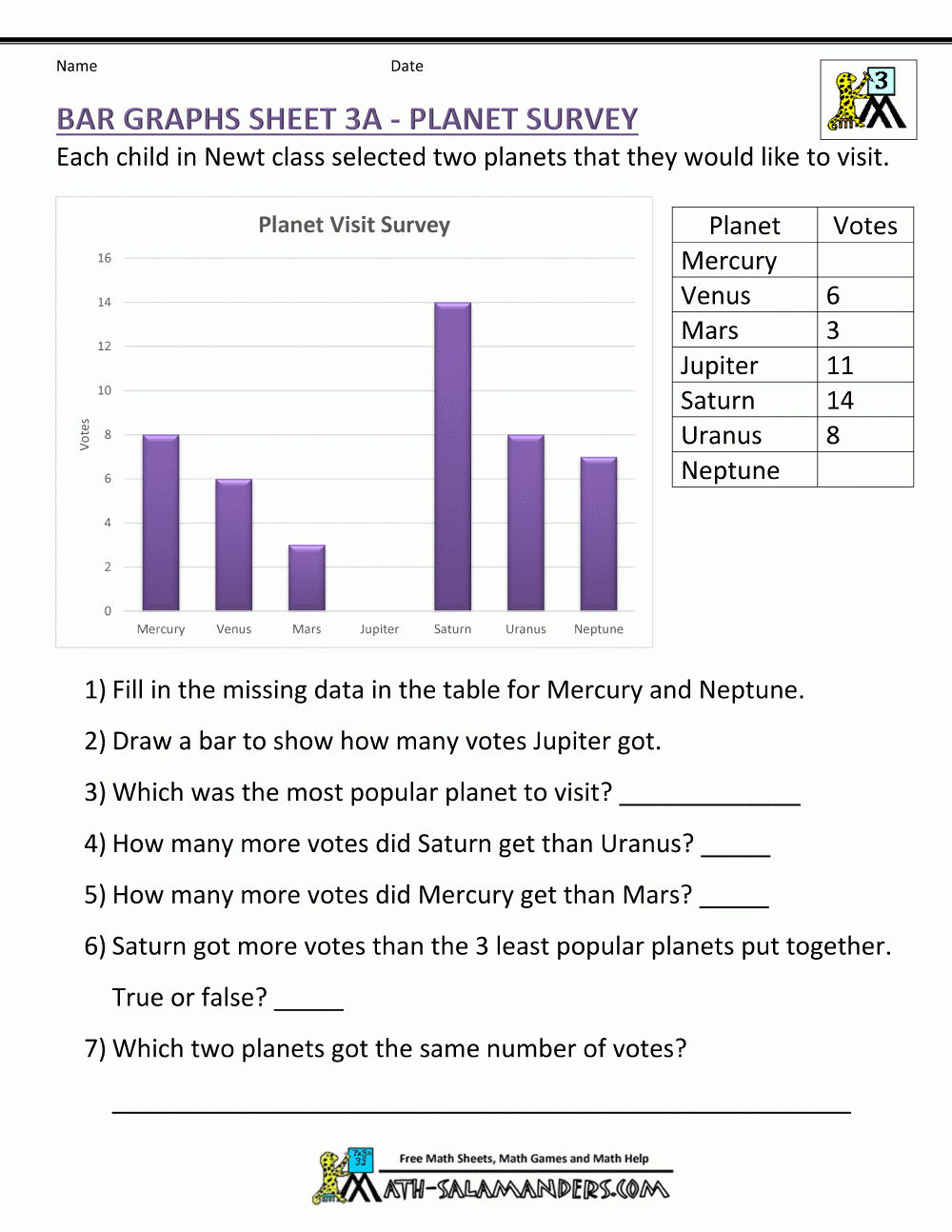
Typically, these learning resources for this age group feature a diverse range of activities. Content often includes arithmetic problems, such as addition, subtraction, and basic multiplication; reading comprehension passages with accompanying questions; grammar exercises focusing on parts of speech and sentence structure; and creative writing prompts. Visual elements, such as illustrations and clear layouts, are commonly incorporated to make the material approachable and intuitive for young students. Instructions are generally simple and direct, ensuring clarity for independent work. Browse more guides on Cheap Worksheets.
To maximize the effectiveness of these learning materials, a systematic approach is recommended. Begin by establishing a consistent schedule for practice, perhaps dedicating a short, focused period each day. Create a quiet and encouraging learning environment free from distractions. Break down longer activities into smaller, manageable segments to prevent overwhelming the student. Emphasize understanding over speed, encouraging careful thought. Once a task is completed, review it collaboratively, highlighting correct answers and gently guiding through any errors as opportunities for further learning. Positive feedback and acknowledgment of effort are crucial for maintaining motivation.
Beyond the direct application of individual sheets, consider integrating them into a broader learning strategy. Pair these printable activities with hands-on exercises, such as using manipulatives for math problems or role-playing characters from a story. Encourage discussions around the topics presented, prompting students to explain their reasoning or elaborate on their answers. Explore a variety of themes and subjects to keep learning fresh and engaging. Many educational platforms and publishers offer complementary resources or series of similar exercises that can extend learning across different skill areas.
In conclusion, well-designed practice sheets are invaluable components of an effective educational toolkit for early elementary students. They offer a structured, engaging, and highly effective means for skill development and knowledge retention. Consistent engagement with these academic aids not only solidifies foundational concepts but also cultivates vital learning habits and builds self-assurance. Explore the range of suitable learning companions available to support and enrich the educational journey of every young learner.
Developmental Milestone & Activity Table
| Development Stage | Recommended Daily Duration | Primary Learning Objective |
|---|---|---|
| Preschool & Pre-K | 10 – 15 Minutes | Pencil grip development & basic pre-stroke lines |
| Kindergarten | 15 – 20 Minutes | Letter/number formation & spatial line awareness |
| Early Elementary (Grade 1–2) | 20 – 30 Minutes | Fluency, sentence construction & neatness |
Images References