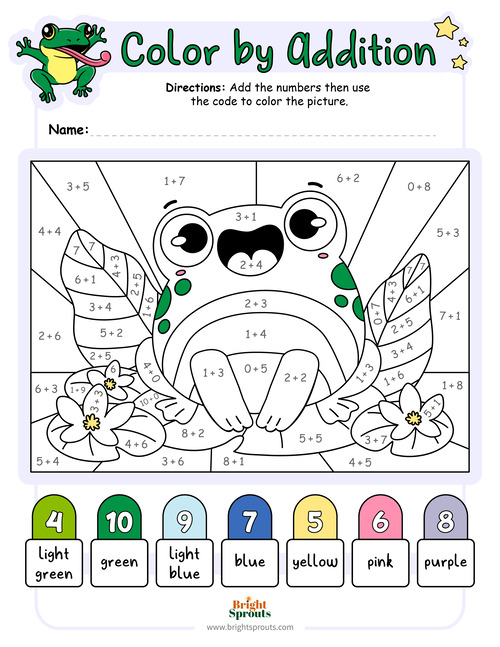
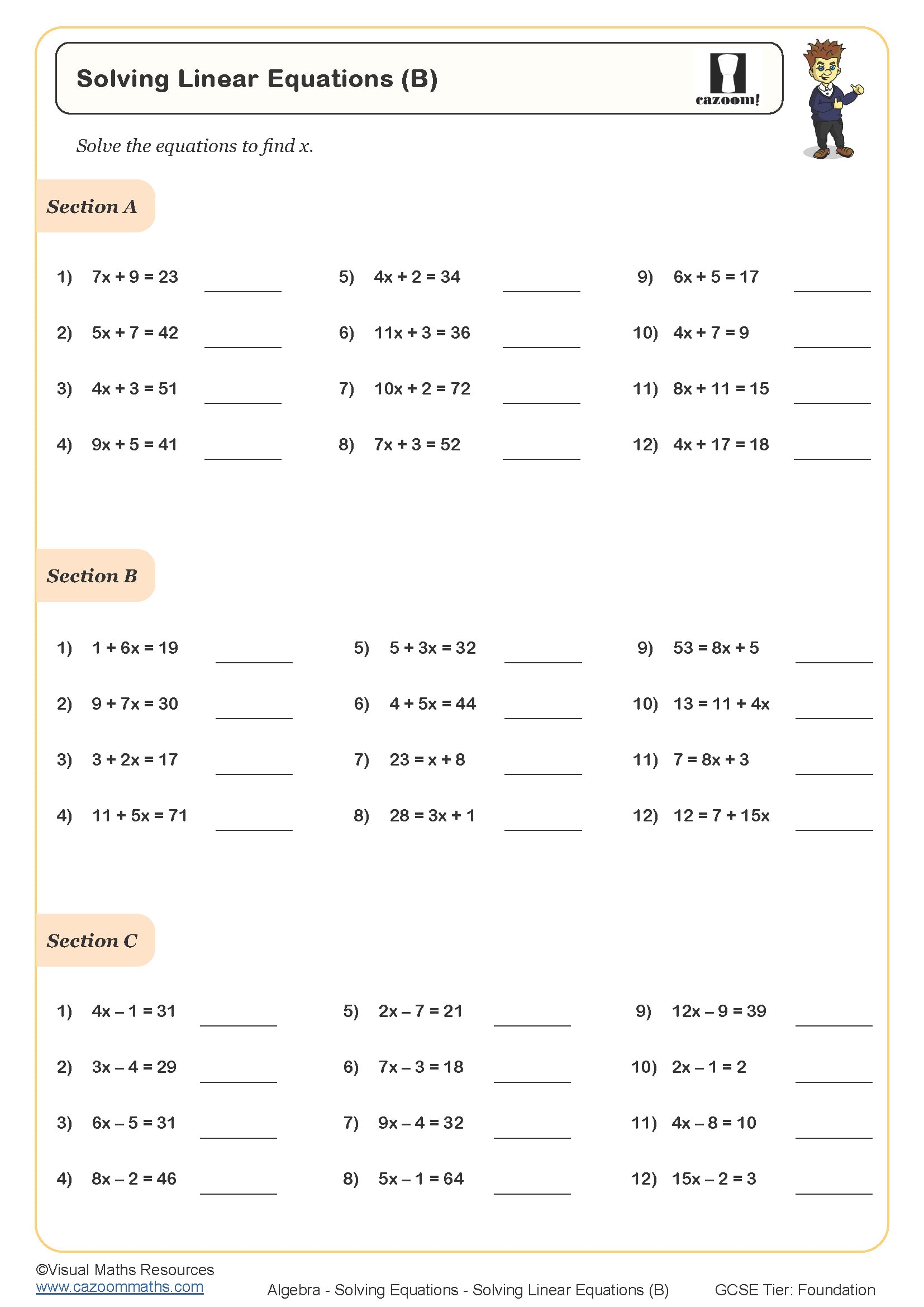
The integration of dynamic and enjoyable learning resources profoundly transforms mathematical education. Shifting from conventional rote memorization to interactive challenges cultivates a deeper understanding and a more positive disposition towards numbers and logic. Such materials are instrumental in making abstract mathematical concepts tangible and engaging, thereby laying a robust foundation for future academic success and real-world problem-solving abilities. Their accessibility and variety ensure that learners of all ages can find pathways to discovery and mastery in mathematics. Explore more in our Math Worksheets category.
💡 Educational Key Takeaways:
- Core Skill: Structured Fun Math Games To Print focused on developing pencil grip, stroke control, and early literacy/math confidence.
- Target Scope: Suited for homeschoolers, preschool, kindergarten, and elementary learners.
- Best Recommendation: Practice 10–15 minutes daily with ergonomic writing tools to reinforce muscle memory without hand fatigue.
Engaging with these printable mathematical activities offers a multitude of benefits that extend beyond mere academic achievement. They significantly enhance critical thinking skills by requiring analysis, strategy, and problem-solving in a playful context. Cognitive development is stimulated through varied puzzles and challenges, which foster logical reasoning and creativity. Furthermore, these resources build confidence in mathematical abilities, transforming potential apprehension into enthusiasm. They provide a versatile tool for educators seeking to differentiate instruction and for parents desiring to supplement learning at home, catering to diverse learning styles and paces. Related guide: Rocket Math Worksheets.
Typically, these interactive educational resources feature a diverse array of activities designed to target various mathematical domains. This can include arithmetic puzzles that reinforce addition, subtraction, multiplication, and division facts, often disguised as mazes or code-breaking exercises. Geometry explorations might involve shape identification, spatial reasoning challenges, or area/perimeter calculations presented as building tasks. Logic puzzles, number sequences, and word problems are also common, promoting analytical thought and conceptual understanding. Each activity is generally structured with clear instructions, often accompanied by visual aids, ensuring ease of use and immediate engagement for learners. Browse more guides on Cheap Worksheets.
To maximize the effectiveness of these engaging learning materials, a structured approach is recommended. First, it is beneficial to select activities that align with the learner’s current skill level and learning objectives, ensuring a challenging yet achievable experience. A dedicated, distraction-free learning environment can enhance focus. Encouraging independent exploration initially allows learners to grapple with problems on their own, fostering resilience. When assistance is needed, providing guiding questions rather than direct answers empowers learners to discover solutions. Regular practice, even for short durations, is more impactful than infrequent, lengthy sessions. Celebrating progress, no matter how small, reinforces positive learning behaviors.
Further enriching the learning experience with these captivating mathematical tools can be achieved through several additional strategies. Customizing activities by incorporating real-world scenarios or personal interests can significantly increase relevance and engagement. Group challenges can be introduced, promoting collaborative problem-solving and communication skills. Utilizing timers can add an element of exciting competition and encourage quicker recall of facts. Additionally, exploring companion digital resources or related hands-on manipulatives can create a multi-sensory learning experience, solidifying understanding. Educators and parents are encouraged to seek out materials that complement specific curriculum topics, ensuring comprehensive coverage.
The transformative power of interactive and enjoyable mathematical learning tools is undeniable. They provide an accessible and effective method for fostering a deep appreciation and robust proficiency in mathematics. By integrating these vibrant resources into educational routines, learners are empowered to develop essential cognitive skills, build confidence, and cultivate a lifelong love for learning. Discovering and utilizing these invaluable printable aids opens a world of engaging educational possibilities, making the journey through mathematics both productive and profoundly rewarding.
Developmental Milestone & Activity Table
| Development Stage | Recommended Daily Duration | Primary Learning Objective |
|---|---|---|
| Preschool & Pre-K | 10 – 15 Minutes | Pencil grip development & basic pre-stroke lines |
| Kindergarten | 15 – 20 Minutes | Letter/number formation & spatial line awareness |
| Early Elementary (Grade 1–2) | 20 – 30 Minutes | Fluency, sentence construction & neatness |