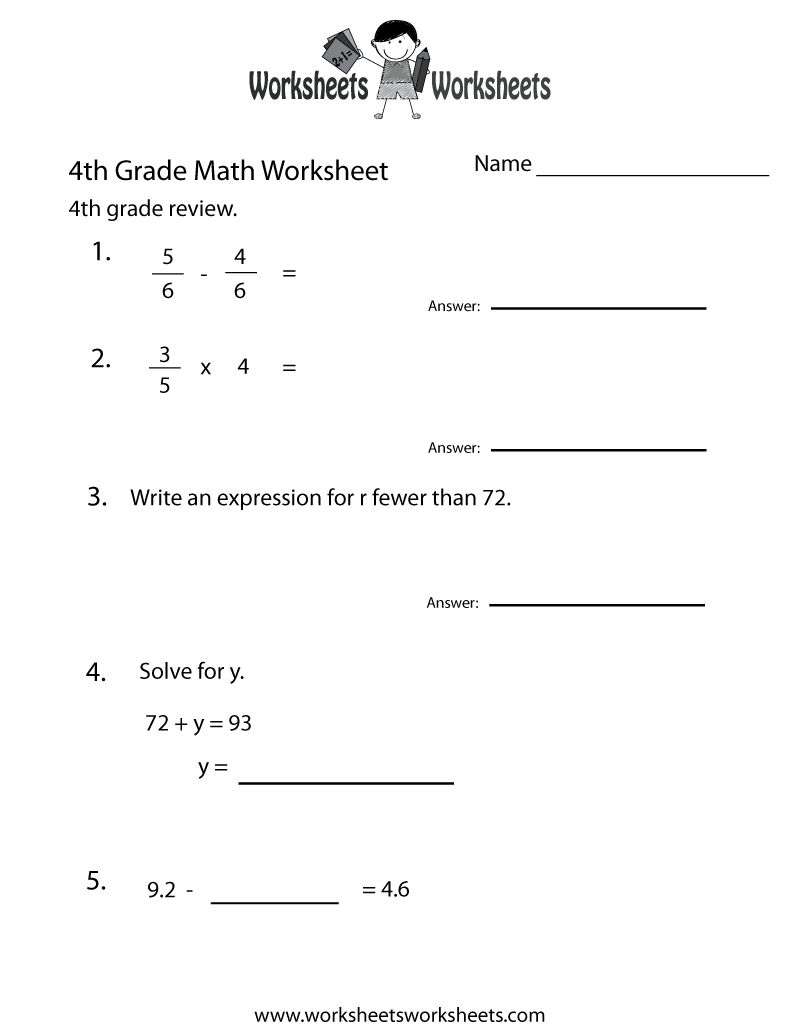
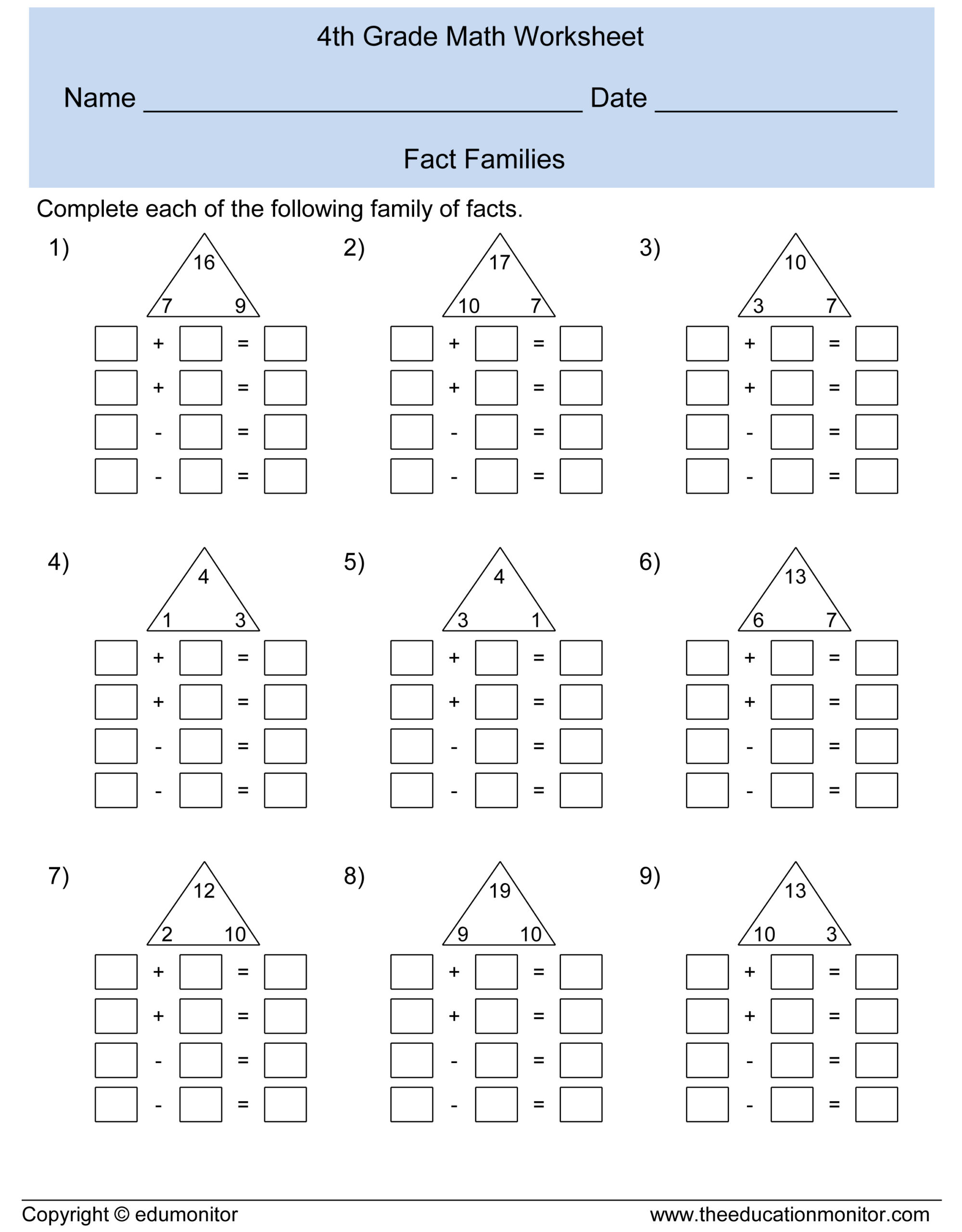
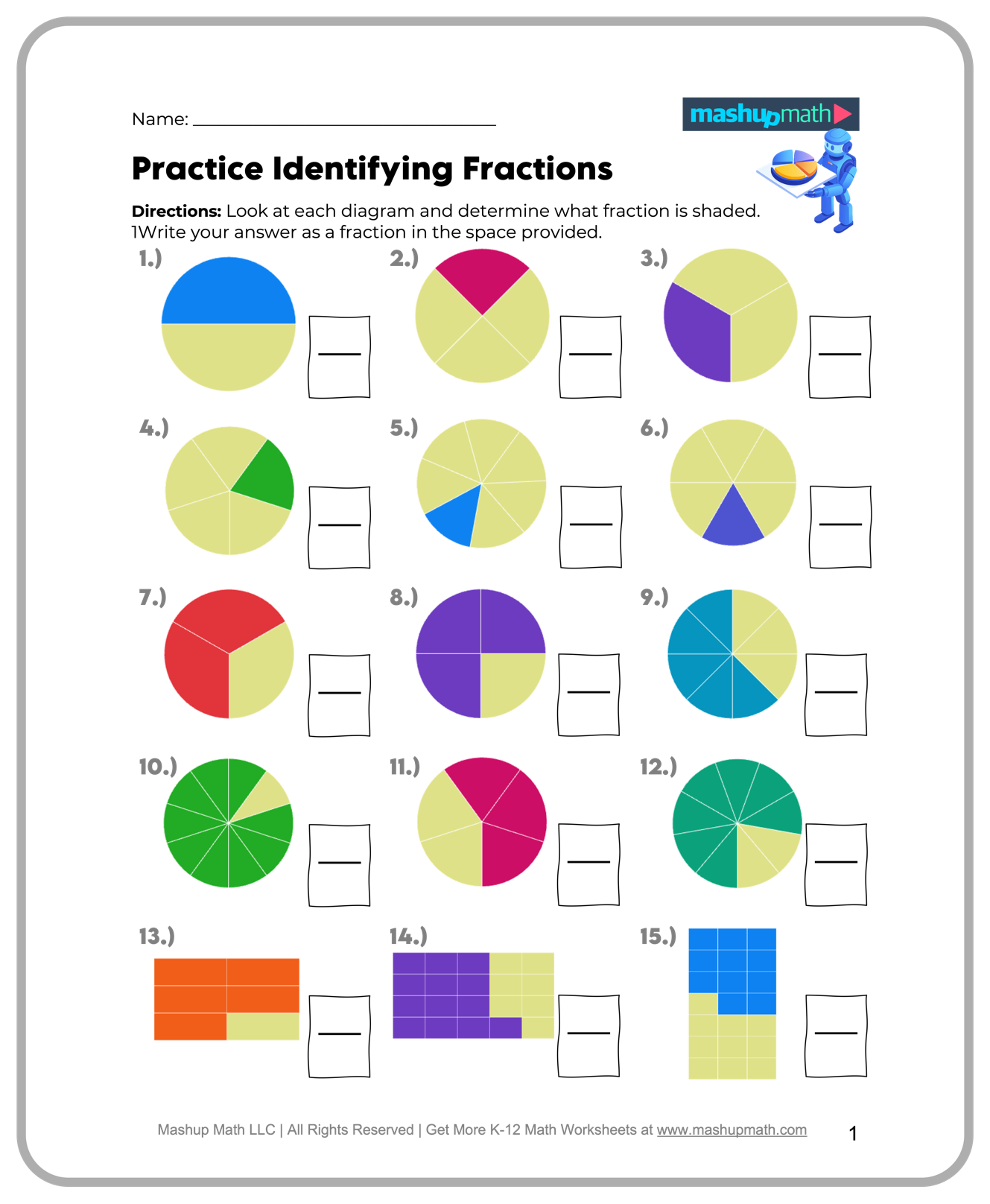
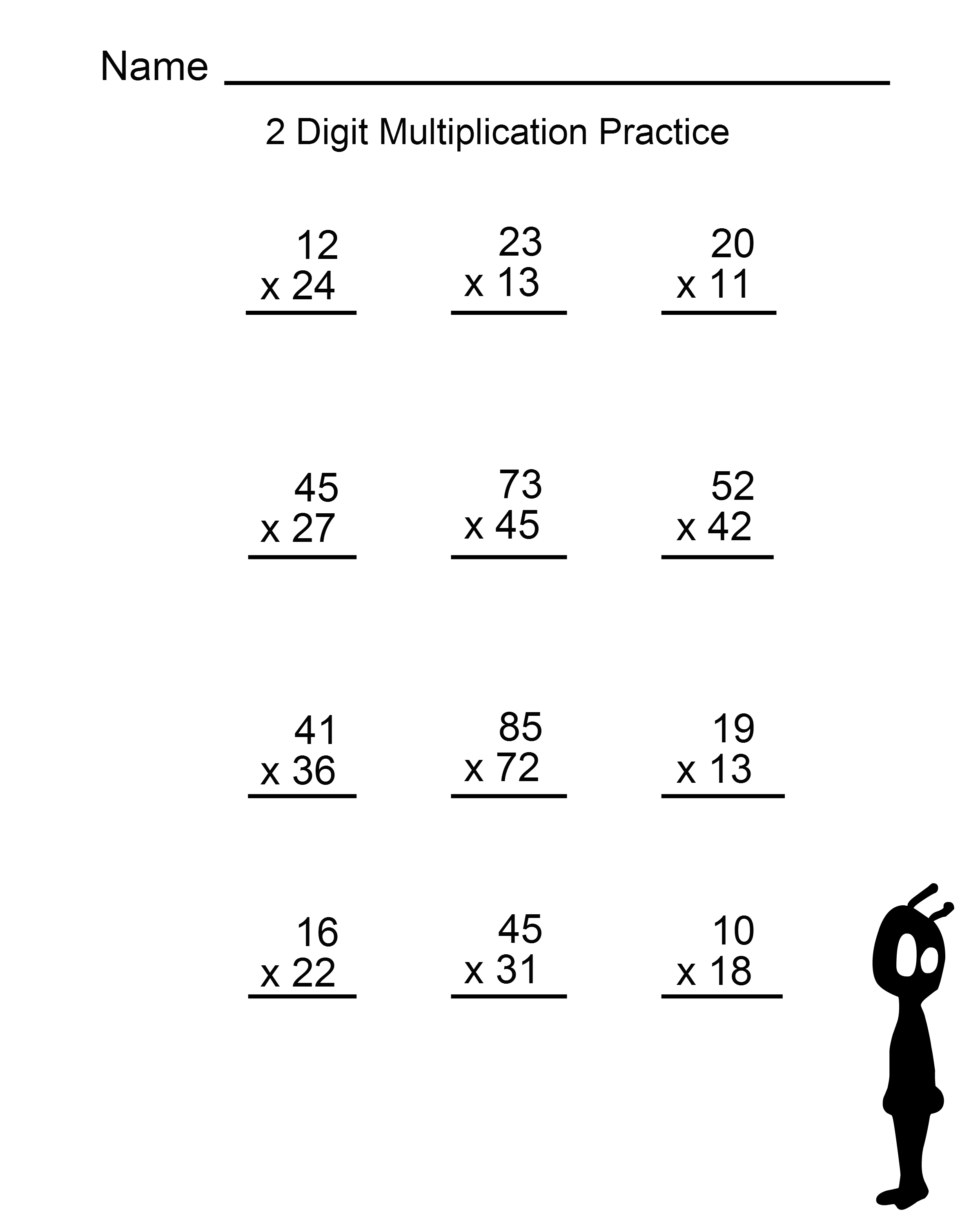
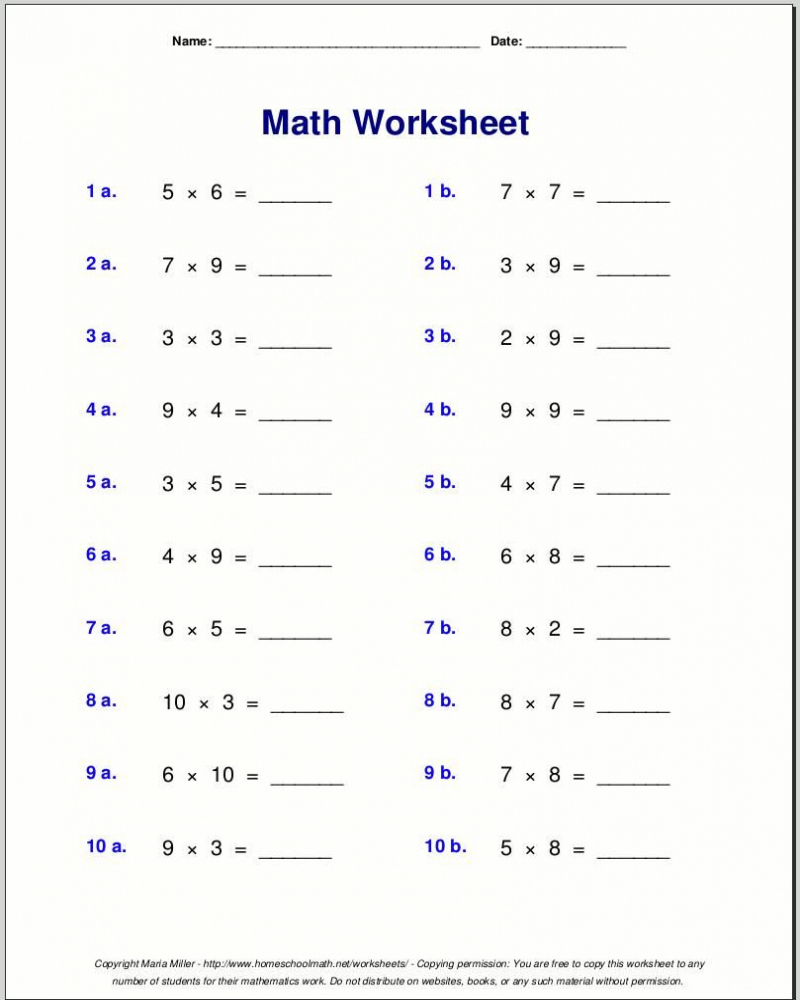
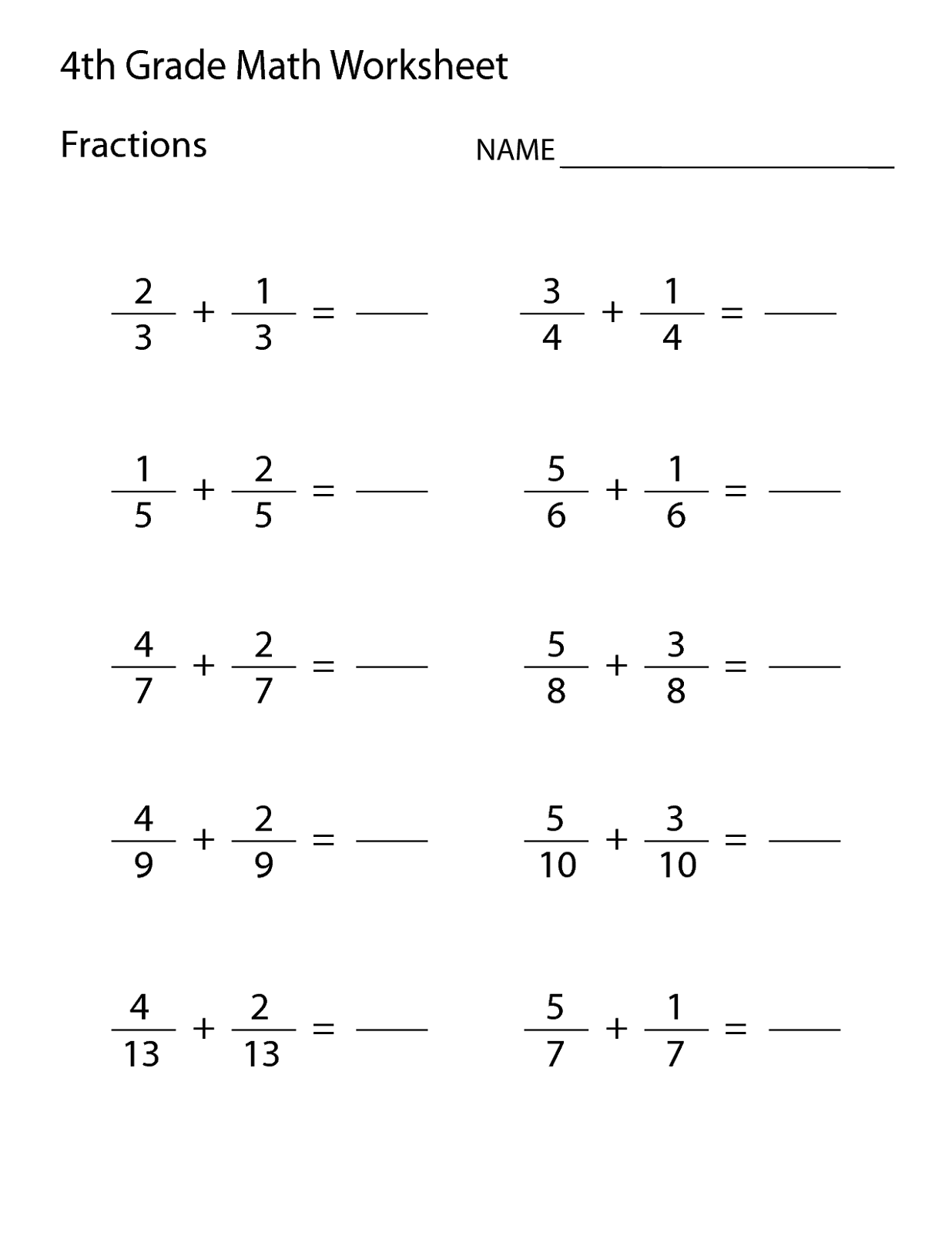
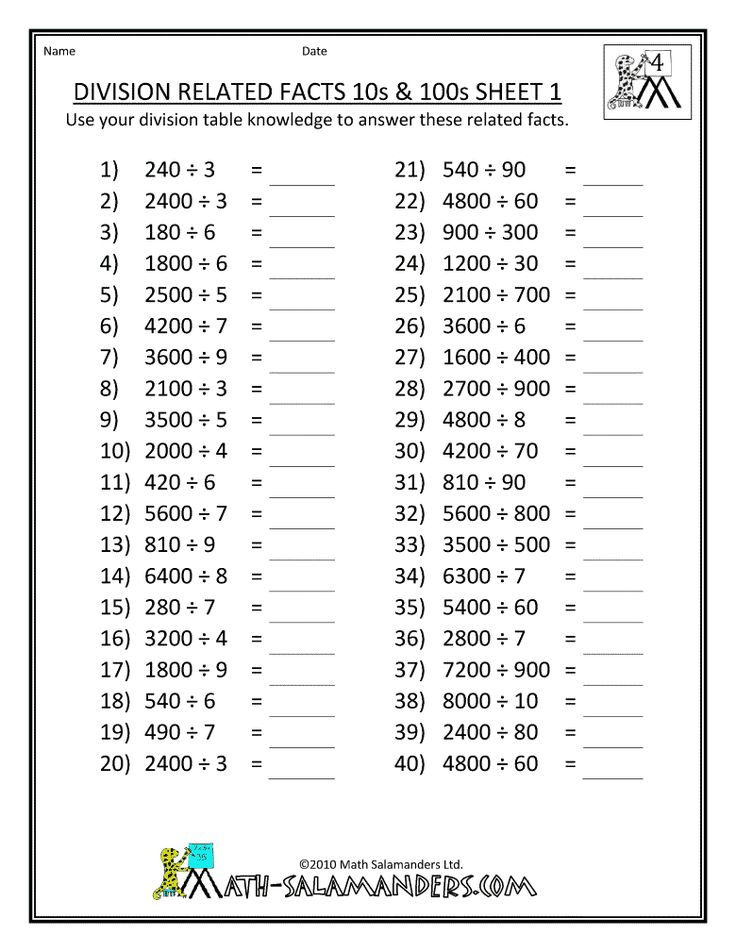
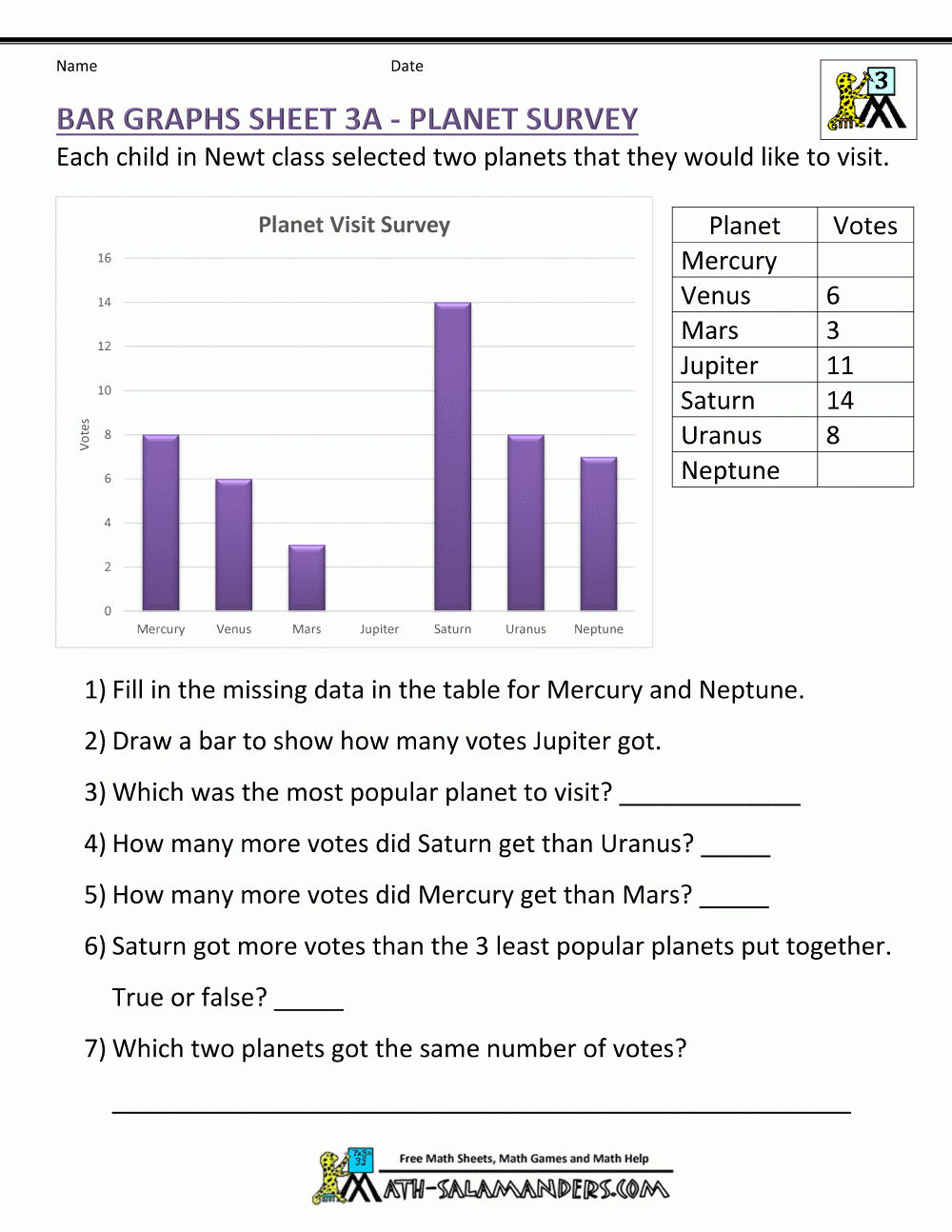
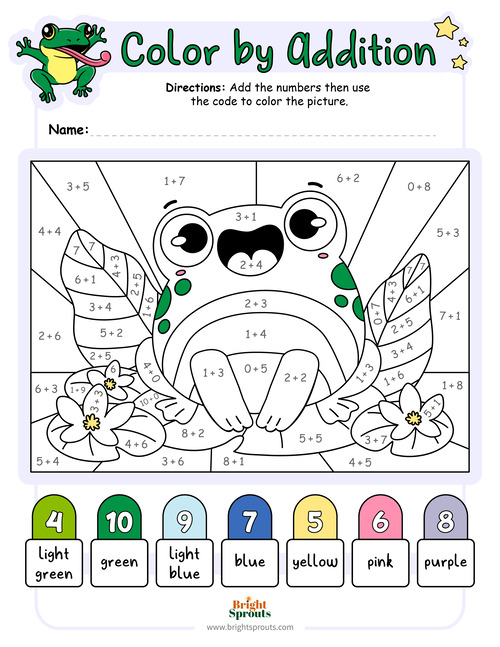
Structured mathematical practice for fourth-grade students is fundamental for cementing core concepts and building a robust educational foundation. Targeted exercises designed for this age group play a critical role in developing foundational arithmetic skills, conceptual understanding, and problem-solving abilities. Engaging with these resources regularly helps students transition from basic understanding to confident application, preparing them for more complex mathematical challenges in subsequent grades. Explore more in our Math Worksheets category.
💡 Educational Key Takeaways:
- Core Skill: Structured Math Worksheets 4th Grade focused on developing pencil grip, stroke control, and early literacy/math confidence.
- Target Scope: Suited for homeschoolers, preschool, kindergarten, and elementary learners.
- Best Recommendation: Practice 10–15 minutes daily with ergonomic writing tools to reinforce muscle memory without hand fatigue.
The consistent use of these educational tools offers numerous benefits, directly contributing to enhanced academic performance. Students gain improved procedural fluency in essential operations, deepen their conceptual understanding of topics like fractions and decimals, and strengthen their critical thinking skills through varied problem types. Such practice materials also provide opportunities for independent work, fostering a sense of self-reliance and enabling students to identify areas where additional focus might be beneficial. This structured approach supports the development of a positive attitude towards mathematics by making learning manageable and progressive. Related guide: Spring Math Worksheets For Kindergarten.
Typically, the exercises designed for this educational level encompass a variety of mathematical domains. Content often includes advanced addition and subtraction, multi-digit multiplication, division with remainders, an introduction to fractions (identifying, comparing, and simple operations), basic geometry concepts (shapes, angles, perimeter), and measurement (understanding units and simple conversions). Word problems are also frequently incorporated, requiring students to apply multiple concepts to real-world scenarios. The structure often progresses from direct computational problems to more analytical and problem-solving tasks, catering to different learning stages. Browse more guides on Cheap Worksheets.
To maximize the learning potential of these educational resources, a systematic approach is recommended. Begin by carefully reading all instructions to ensure a clear understanding of expectations. Work through each problem step-by-step, showing all calculations to track the thought process. If a problem proves challenging, a brief pause for reconsideration or a review of relevant concepts can be helpful. Upon completion, reviewing answers against an answer key allows for immediate self-correction. The focus should be on understanding the reasons behind any errors, rather than simply identifying an incorrect response, thereby turning mistakes into valuable learning opportunities.
Further enhancing the learning journey involves integrating these practice exercises with other educational strategies. Supplementing written work with interactive games or physical manipulatives can reinforce abstract concepts through hands-on experience. Engaging in discussions about challenging problems with an educator or a peer can provide alternative perspectives and clarify misunderstandings. Relating mathematical concepts to everyday situations, such as calculating change or measuring ingredients, helps students appreciate the practical relevance of their studies. Exploring supplementary learning aids for specific topics, such as multiplication facts practice sheets or geometry puzzles, can further solidify understanding and build confidence.
Engaging with comprehensive mathematical practice tools tailored for this grade level is a powerful strategy for academic success. These resources solidify understanding, build essential skills, and cultivate a positive learning attitude. Continuous practice and exploration of such grade-level practice sheets empower students with the confidence and competence necessary to excel in mathematics. Educators and parents are encouraged to explore the wide range of relevant practice materials available to support and enrich the learning experience.
Developmental Milestone & Activity Table
| Development Stage | Recommended Daily Duration | Primary Learning Objective |
|---|---|---|
| Preschool & Pre-K | 10 – 15 Minutes | Pencil grip development & basic pre-stroke lines |
| Kindergarten | 15 – 20 Minutes | Letter/number formation & spatial line awareness |
| Early Elementary (Grade 1–2) | 20 – 30 Minutes | Fluency, sentence construction & neatness |
Images References