Effective educational tools are fundamental for building a strong academic foundation, especially in early childhood. Resources designed for young learners in arithmetic play a pivotal role in solidifying core concepts and developing essential numerical fluency. These specialized learning aids provide structured opportunities for practice, reinforcing classroom instruction and helping children grasp the fundamental principles of mathematics. Their importance lies in translating abstract mathematical ideas into tangible exercises, making the learning process more accessible and enjoyable for developing minds. Explore more in our Math Worksheets category.
💡 Educational Key Takeaways:
- Core Skill: Structured Grade 2 Maths Worksheets focused on developing pencil grip, stroke control, and early literacy/math confidence.
- Target Scope: Suited for homeschoolers, preschool, kindergarten, and elementary learners.
- Best Recommendation: Practice 10–15 minutes daily with ergonomic writing tools to reinforce muscle memory without hand fatigue.
The utilization of such practice materials offers numerous pedagogical advantages. They are instrumental in fostering critical thinking skills as children engage with diverse problem sets, requiring them to apply learned concepts in varied contexts. These materials support the development of number sense, improve calculation accuracy, and introduce foundational problem-solving strategies. Consistent engagement with these resources also boosts confidence in a child’s mathematical abilities, preparing them for more advanced topics by ensuring a solid understanding of basic operations and concepts. Related guide: Spring Math Worksheets For Kindergarten.
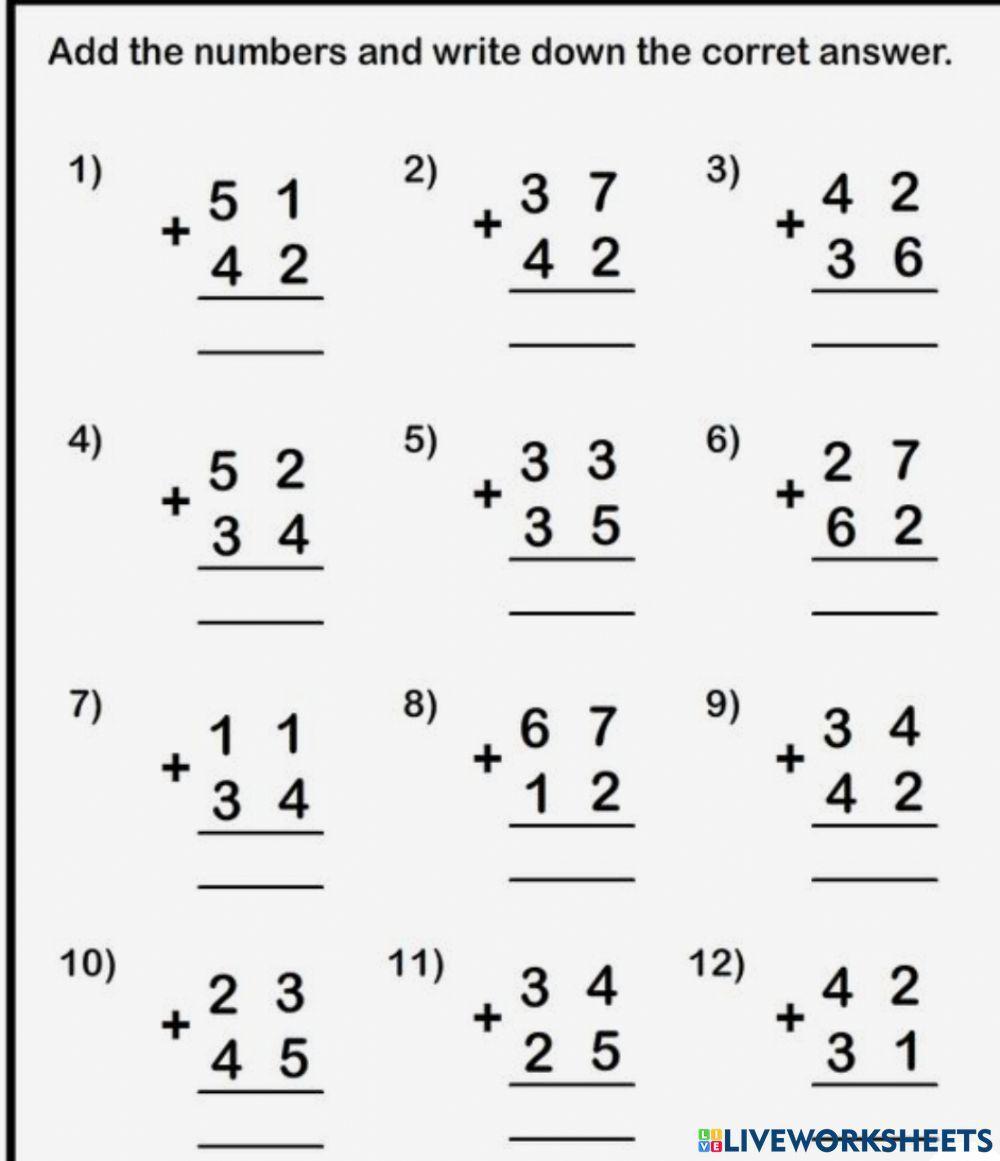
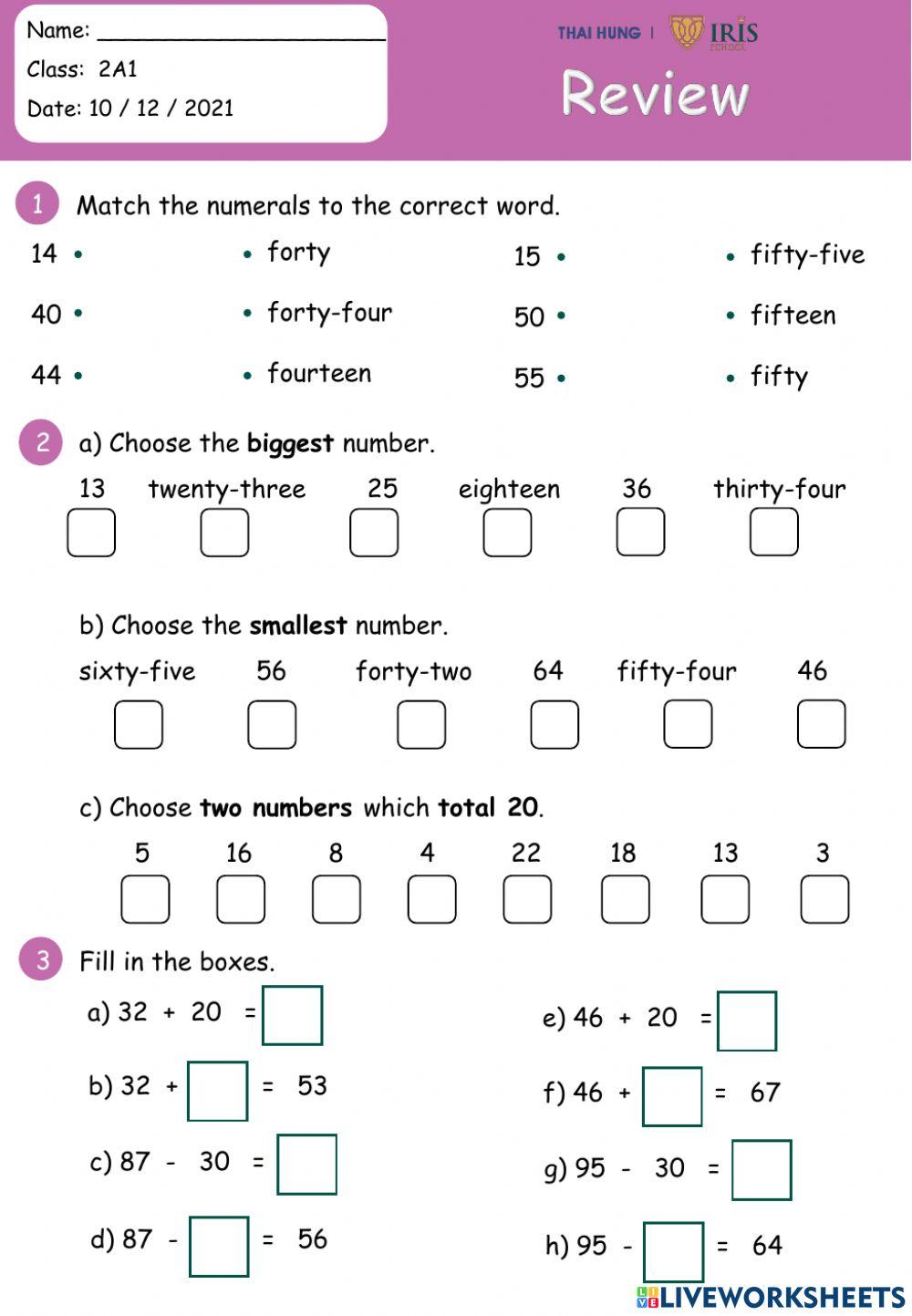
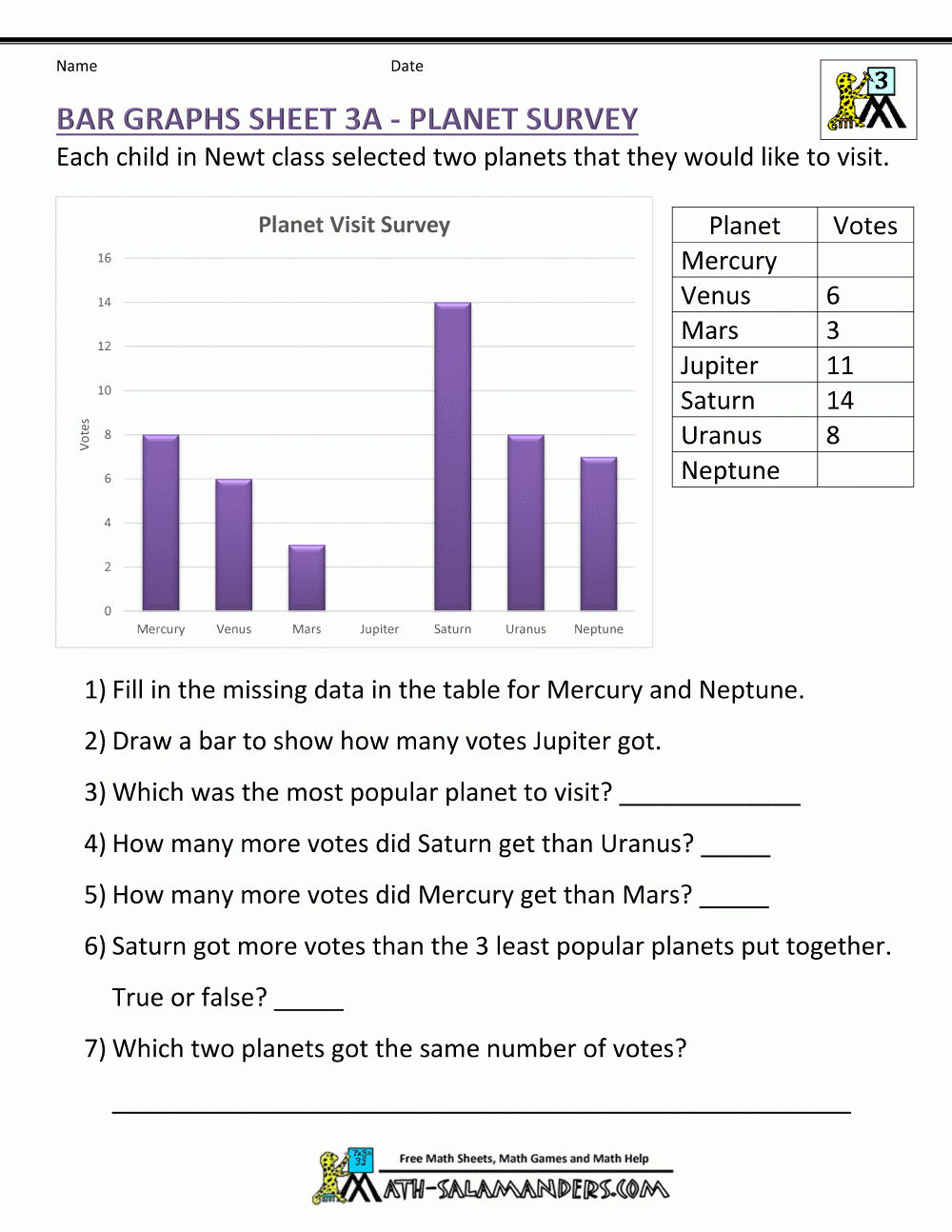
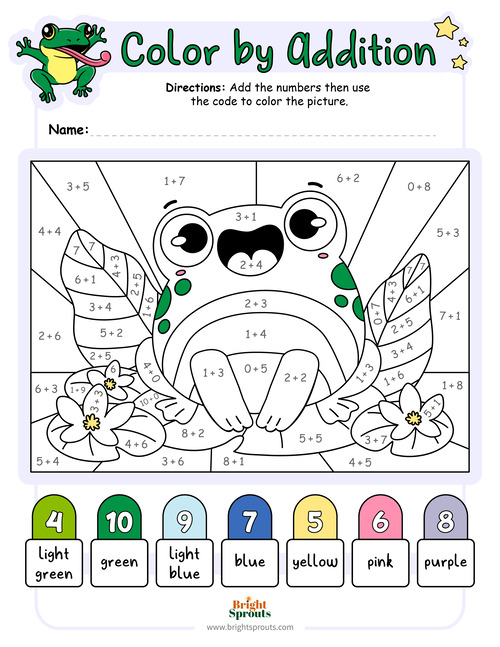
Typically, these learning materials are structured to cover key mathematical domains appropriate for a second-grade curriculum. Content often includes exercises on addition and subtraction within 100 or 1000, basic introduction to multiplication and division through repeated addition/subtraction, place value understanding, simple fractions, measurement, time, money, and elementary geometry concepts like identifying shapes. The layout frequently incorporates clear instructions, ample space for working out problems, and often includes visual aids or thematic elements to maintain engagement. Browse more guides on Cheap Worksheets.
To maximize the learning potential of these educational tools, a systematic approach is recommended. Begin by reviewing the specific learning objective of each section to understand the skill being targeted. Encourage independent problem-solving first, allowing children to attempt solutions before offering assistance. When support is needed, guide learners through the steps rather than providing direct answers, fostering a deeper understanding. Regular, short practice sessions are often more effective than infrequent, long ones, preventing fatigue and maintaining interest. Celebrating correct answers and effort, regardless of outcome, reinforces positive learning behaviors.
Further enhancing the learning experience can involve integrating these materials with real-world applications. For instance, counting objects around the house or calculating change during a pretend shopping game can bring the exercises to life. Exploring a variety of similar resources from different publishers can also provide fresh perspectives and varied problem types, ensuring comprehensive skill development. Supplementary online games or interactive applications can complement the physical practice, offering diverse modes of engagement. Seeking out resources that focus on specific areas where a child might need extra support can also be highly beneficial.
In conclusion, the careful selection and consistent use of targeted arithmetic practice resources for second-grade students are invaluable for educational progress. These structured learning opportunities solidify essential mathematical concepts, develop critical thinking, and build confidence in young learners. Exploring and integrating these beneficial materials into a child’s learning routine is highly encouraged to establish a robust foundation for future academic success.
Developmental Milestone & Activity Table
| Development Stage | Recommended Daily Duration | Primary Learning Objective |
|---|---|---|
| Preschool & Pre-K | 10 – 15 Minutes | Pencil grip development & basic pre-stroke lines |
| Kindergarten | 15 – 20 Minutes | Letter/number formation & spatial line awareness |
| Early Elementary (Grade 1–2) | 20 – 30 Minutes | Fluency, sentence construction & neatness |
Images References