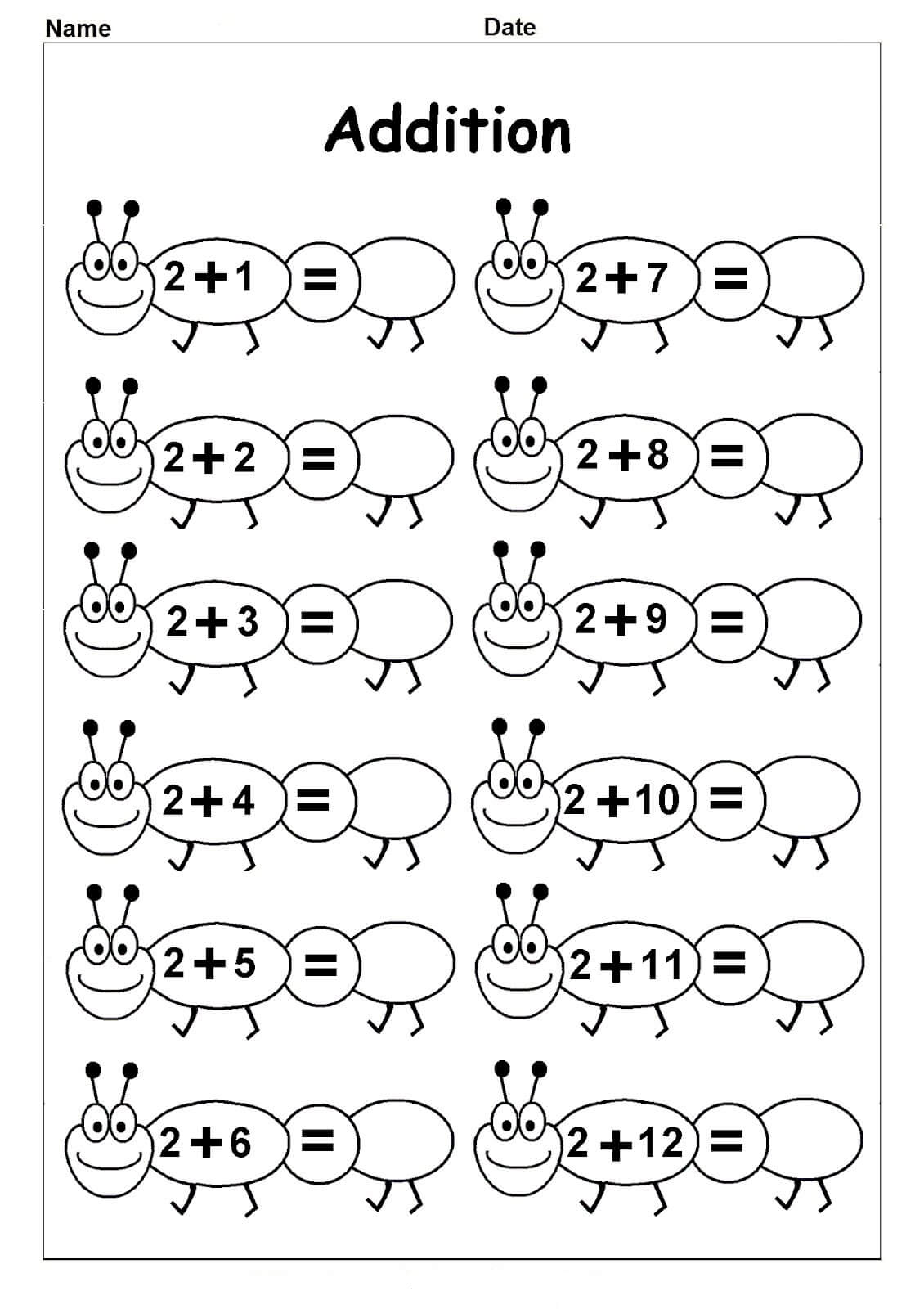
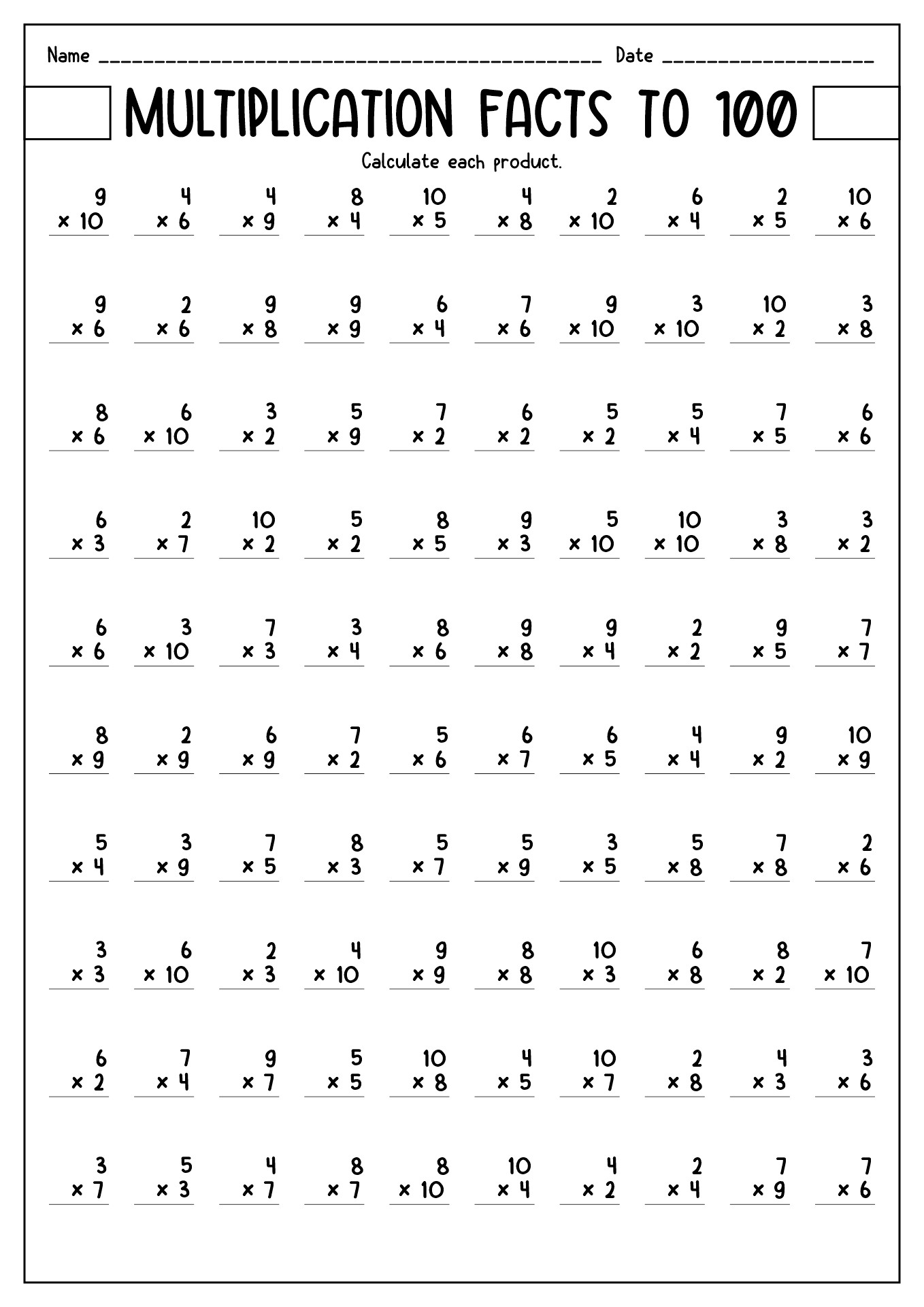
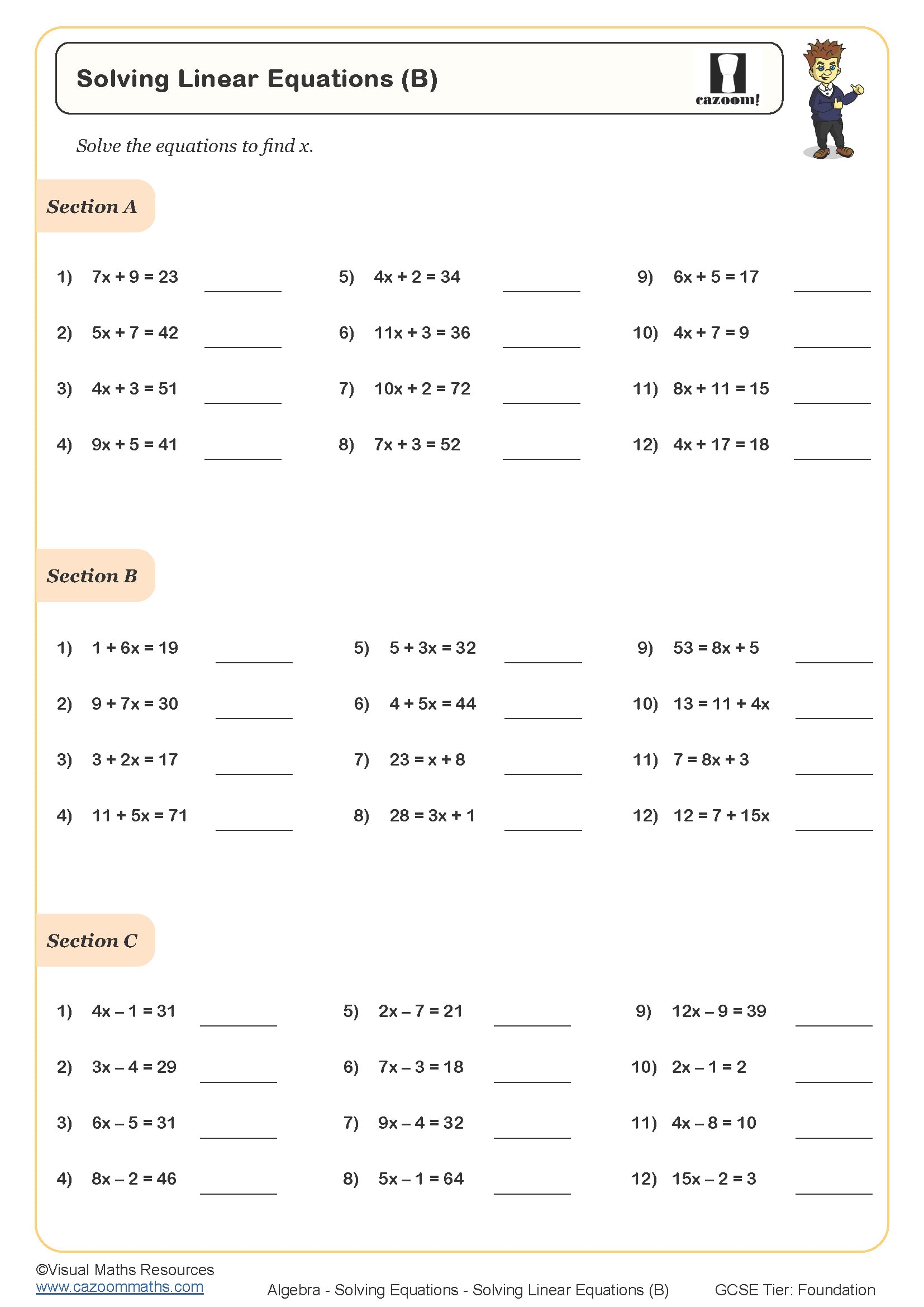
Consistent practice is a cornerstone of developing strong mathematical proficiency. The ability to generate tailored exercises for specific learning objectives profoundly enhances this process. A dedicated tool for constructing mathematical practice sheets emerges as an invaluable resource, streamlining the creation of diverse and relevant study materials. This utility ensures that learners receive targeted reinforcement precisely where it is needed, moving beyond generic exercises to customized challenges that solidify understanding and build confidence. Explore more in our Math Worksheets category.
💡 Educational Key Takeaways:
- Core Skill: Structured Math Worksheet Builder focused on developing pencil grip, stroke control, and early literacy/math confidence.
- Target Scope: Suited for homeschoolers, preschool, kindergarten, and elementary learners.
- Best Recommendation: Practice 10–15 minutes daily with ergonomic writing tools to reinforce muscle memory without hand fatigue.
The primary advantage of employing such a resource creation tool lies in its capacity for customization and efficiency. It allows for the precise targeting of individual learning gaps and the reinforcement of specific concepts, leading to more effective study sessions. Benefits include significant time savings for educators and parents by automating problem generation, the facilitation of differentiated instruction by adjusting difficulty levels, and the promotion of sustained engagement through varied problem sets. Furthermore, the immediate availability of new practice material supports continuous learning and adaptation to a learner’s evolving needs, fostering deeper comprehension and critical thinking skills without repetitive manual compilation. Related guide: Fun Halloween Math Worksheets.
Typically, a system for generating mathematical exercises offers a straightforward structure designed for ease of use. It often presents options to select from various mathematical domains, such as arithmetic operations, algebraic equations, geometry problems, or calculus concepts. Within each domain, users can usually specify parameters like the range of numbers, the complexity of expressions, the number of questions, and whether an answer key should be included. Some platforms may also offer different question formats, such as multiple-choice, fill-in-the-blank, or open-ended problems, ensuring versatility in the practice materials created. Browse more guides on Cheap Worksheets.
To leverage a practice sheet generator effectively, a structured approach is recommended. First, clearly identify the specific mathematical concept or skill requiring practice. Next, navigate to the relevant section within the utility, selecting the appropriate topic and specifying the desired difficulty level and quantity of problems. Once the exercise sheet is generated, review the questions to ensure they align with the learning goals. Integrate these custom sheets into a regular study routine, perhaps as warm-up exercises, homework assignments, or supplementary practice. Encourage learners to work through the problems methodically, using the provided answer keys for self-correction and understanding of any errors.
Further enhancing the learning experience with these generated resources involves exploring the full range of available topics and difficulty settings. Regularly varying the types of problems created helps maintain engagement and exposes learners to diverse applications of mathematical principles. It is beneficial to integrate these custom practice materials with other learning strategies, such as hands-on activities, conceptual explanations, or interactive digital tutorials. Consistent engagement with these tailored exercises, coupled with tracking progress over time, can significantly contribute to sustained mathematical growth. Consider exploring related learning support materials to complement the generated exercises.
The strategic use of a tool designed for generating mathematical practice sheets represents a powerful approach to fostering robust mathematical understanding. Its ability to produce custom, targeted exercises on demand makes it an indispensable asset for effective learning and teaching. The creation of such personalized study aids not only reinforces foundational concepts but also builds confidence and problem-solving acumen. Exploring available solutions for generating these valuable resources is encouraged to unlock their full potential in the pursuit of mathematical mastery.
Developmental Milestone & Activity Table
| Development Stage | Recommended Daily Duration | Primary Learning Objective |
|---|---|---|
| Preschool & Pre-K | 10 – 15 Minutes | Pencil grip development & basic pre-stroke lines |
| Kindergarten | 15 – 20 Minutes | Letter/number formation & spatial line awareness |
| Early Elementary (Grade 1–2) | 20 – 30 Minutes | Fluency, sentence construction & neatness |