Introduction and Importance of Printable Pre-K Math Sheets
Early math skills form the foundation for future academic success. Resources designed for preschool-aged children play a crucial role in building this foundation. Engaging with numbers, shapes, and basic problem-solving at a young age prepares children for more complex mathematical concepts they will encounter later in their education. Introducing these concepts early not only makes learning math less intimidating but also cultivates a positive attitude toward the subject. These resources provide structured activities that can be easily integrated into daily routines, whether at home or in a classroom setting. They offer a hands-on approach to learning, allowing children to actively participate and develop a deeper understanding of mathematical principles. The benefit extends beyond mere academic readiness; it fosters critical thinking, logical reasoning, and problem-solving abilities, which are essential life skills. These skills are transferrable across various disciplines and contribute significantly to a child’s overall cognitive development and future success.
💡 Educational Key Takeaways:
- Core Skill: Structured Printable Pre K Math Sheets focused on developing pencil grip, stroke control, and early literacy/math confidence.
- Target Scope: Suited for homeschoolers, preschool, kindergarten, and elementary learners.
- Best Recommendation: Practice 10–15 minutes daily with ergonomic writing tools to reinforce muscle memory without hand fatigue.
Structure and How It Works
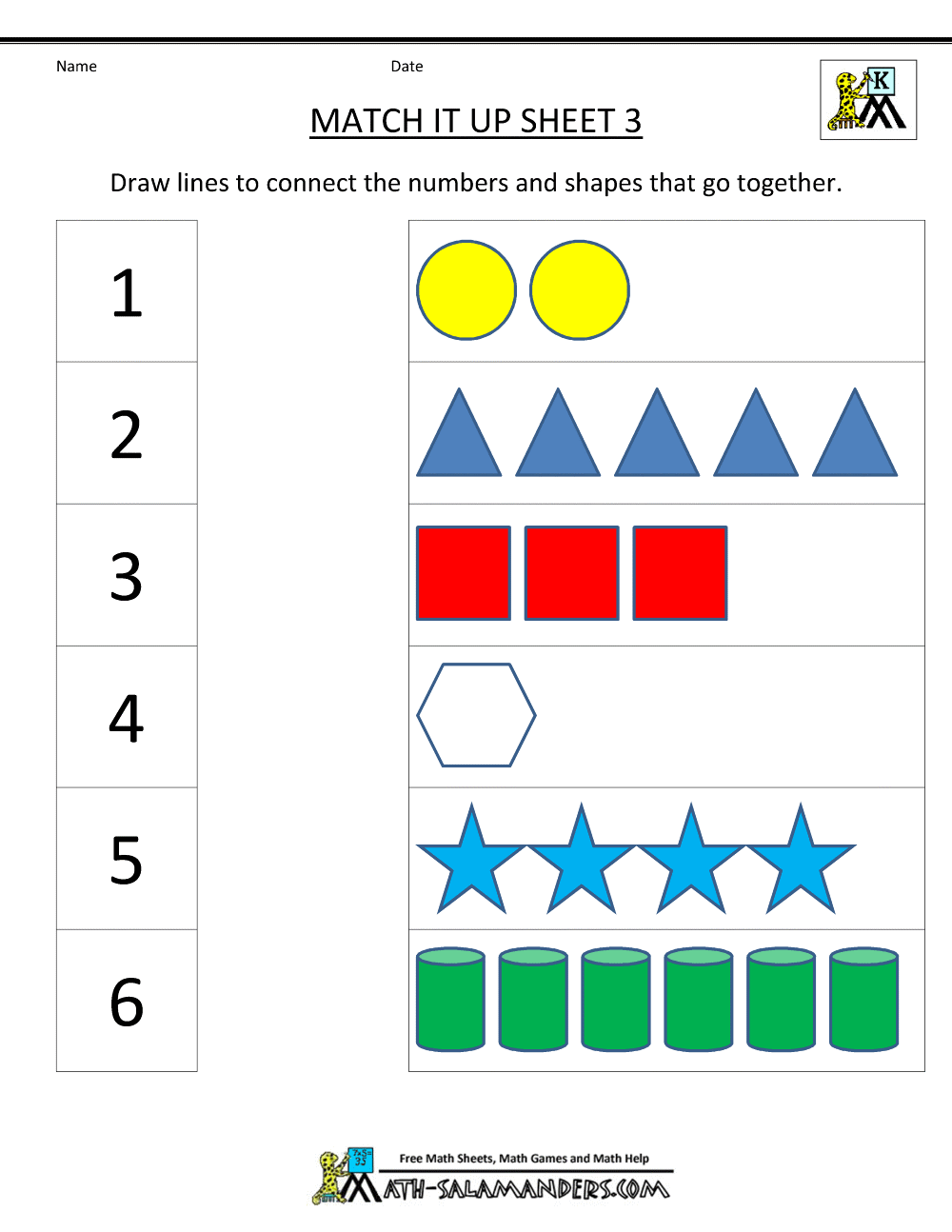
These educational resources are generally designed with a clear and intuitive layout, featuring a variety of activities tailored to preschool learning objectives. Core Exercises: Typically, these involve number recognition, counting, shape identification, and simple addition and subtraction exercises. The exercises often use visually appealing graphics to maintain a child’s interest. For example, an exercise may ask the child to count a group of objects, such as animals or fruits, and then circle the corresponding number. Interactive Elements: Many feature coloring sections, matching games, or cut-and-paste activities to reinforce the learned concepts in an engaging way. The structure is designed to progressively build upon previously learned skills. For instance, children might start with recognizing numbers 1-5 and then move on to counting objects up to 10. Each activity is usually presented in a concise and easy-to-understand manner, minimizing the need for extensive instruction from a teacher or parent. Furthermore, clear instructions accompany each activity, ensuring that children can complete them with minimal assistance, fostering independence and self-confidence. Related guide: Kindergarten Math Worksheets Pdf.
Tips and Complementary Resources
Effective use involves incorporating these resources into a balanced learning routine. Daily Practice Tips: Short, focused sessions of 15-20 minutes are more effective than longer, infrequent sessions. Consistency is key to reinforcing learning and retaining information. Positive reinforcement, such as praise and encouragement, can further motivate children and make learning a more enjoyable experience. Adapt the activities to the child’s individual learning style and pace. Some children may benefit from hands-on manipulatives, such as counters or building blocks, to supplement the exercises. Pairing with Other Resources: These can be effectively combined with other educational tools, such as books, games, and online resources, to provide a comprehensive learning experience. For example, reading a storybook about counting can reinforce the concepts learned through the worksheets. Exploring educational apps and websites can offer interactive and engaging ways to practice math skills. By integrating various learning resources, a more holistic and stimulating learning environment can be created, enhancing a child’s understanding and appreciation of mathematics.
Conclusion
Utilizing targeted educational resources provides a valuable tool for introducing mathematical concepts to preschool-aged children. The benefits extend beyond academic readiness, fostering critical thinking, problem-solving skills, and a positive attitude toward learning. By offering structured activities, they enable children to actively engage with numbers and shapes, laying a solid foundation for future academic success. Consistent use, combined with positive reinforcement and supplementary resources, maximizes their effectiveness and helps children develop a deep understanding of mathematical principles. Parents and educators are encouraged to explore these resources and integrate them into the learning routines of young children. The structured approach provided by these learning aids, coupled with engaging activities, can make learning fun and foster a lifelong love of mathematics. Consider exploring other related materials, such as early literacy resources, to create a well-rounded and comprehensive learning experience for preschool children. Start today and witness the positive impact on your child’s cognitive development and future academic endeavors.
Developmental Milestone & Activity Table
| Development Stage | Recommended Daily Duration | Primary Learning Objective |
|---|---|---|
| Preschool & Pre-K | 10 – 15 Minutes | Pencil grip development & basic pre-stroke lines |
| Kindergarten | 15 – 20 Minutes | Letter/number formation & spatial line awareness |
| Early Elementary (Grade 1–2) | 20 – 30 Minutes | Fluency, sentence construction & neatness |
Images References :
Discover more printable learning activities by visiting our full Pre K Activity Worksheets archive for teachers, homeschoolers, and parents.