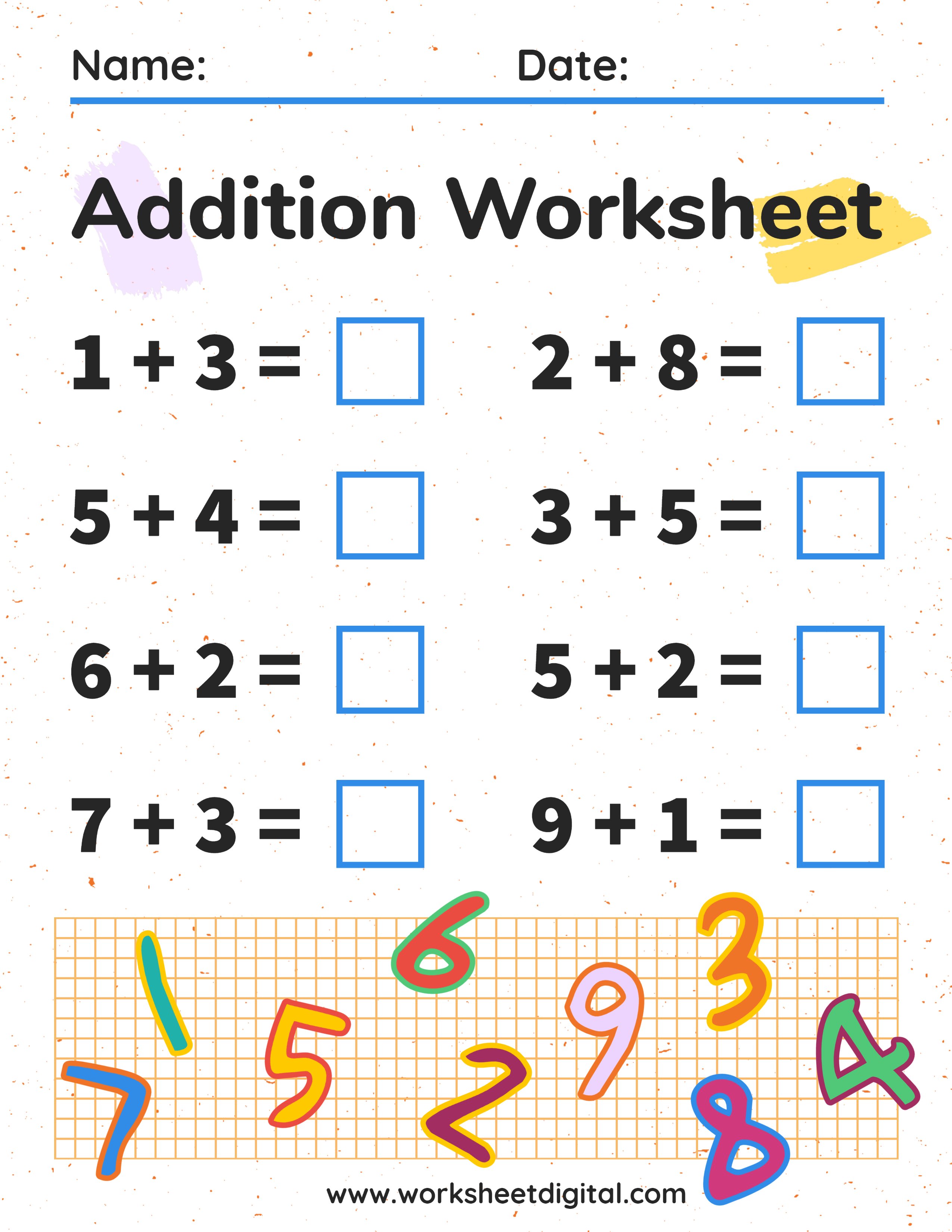
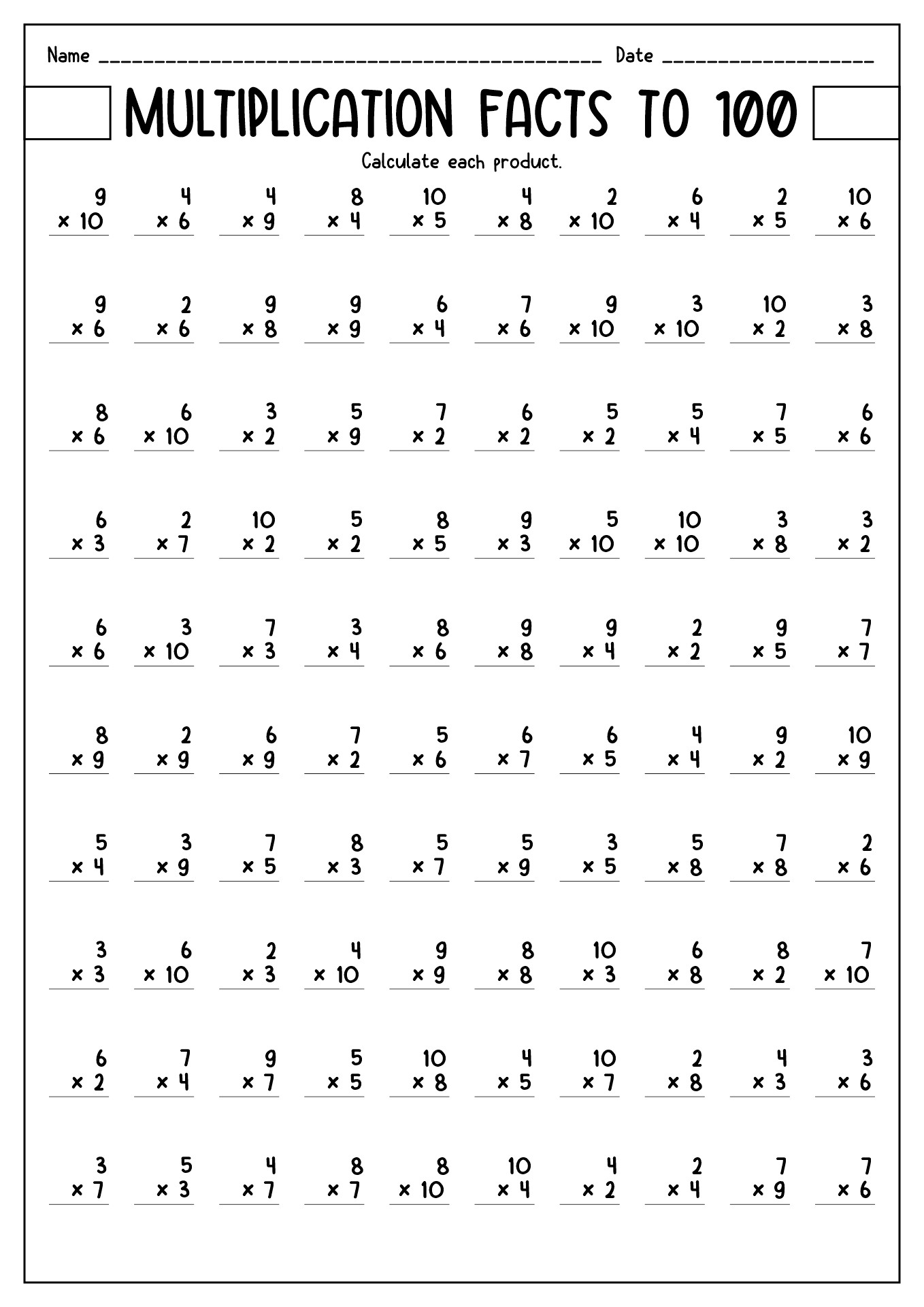
Mastering both numerical recognition and accurate word formation is fundamental to developing strong foundational skills in education. An integrated learning tool, specifically designed to bridge these core competencies, provides a comprehensive approach to learning. This particular worksheet serves as an invaluable resource for solidifying understanding across these critical areas, setting the stage for more advanced learning.
💡 Educational Key Takeaways:
- Core Skill: Structured Numbers And Spelling Worksheet focused on developing pencil grip, stroke control, and early literacy/math confidence.
- Target Scope: Suited for homeschoolers, preschool, kindergarten, and elementary learners.
- Best Recommendation: Practice 10–15 minutes daily with ergonomic writing tools to reinforce muscle memory without hand fatigue.
This educational resource offers multiple benefits for cognitive development and skill enhancement. It effectively strengthens the ability to connect numerical symbols with their linguistic representations, fostering a deeper understanding of both mathematical concepts and language structure. Regular engagement with such practice materials enhances vocabulary related to quantities, significantly improves spelling proficiency, and reinforces essential pattern recognition skills. The cognitive process involved in translating figures into words and vice versa also sharpens critical thinking abilities and memory recall. Related guide: Math Worksheets 4th Grade.
The structure of this activity sheet typically features a combination of engaging exercises. These often include tasks requiring the matching of numerals to their corresponding written word forms, filling in missing letters within number names, or performing simple arithmetic operations and subsequently writing the answers in full word form. Other activities might involve identifying correctly spelled number words from a given selection or writing out numbers based on dictated figures, ensuring a varied and stimulating learning experience that caters to different learning styles. Browse more guides on Cheap Worksheets.
To maximize the effectiveness of this instructional document, a structured approach is highly recommended. Begin by reviewing the instructions thoroughly to ensure complete clarity on each task. Encourage independent problem-solving initially, allowing learners to attempt exercises using their current knowledge. For areas of difficulty, provide guided support rather than direct answers, which helps foster a deeper understanding of the underlying concepts. Once tasks are completed, review the responses carefully, highlighting both correct answers and areas needing further attention, focusing on conceptual grasp over rote memorization.
Further enhancing the learning process involves integrating supplementary strategies and resources. Consider using physical manipulatives, such as blocks or counters, when dealing with numerical concepts to provide a tactile and concrete experience. Creating flashcards for number words can also significantly aid in memorization and quick recall. As proficiency develops, progressively introduce more complex numerical concepts and their linguistic forms. Exploring similar learning aids that focus on different categories of vocabulary or advanced mathematical operations can further expand knowledge and reinforce skills.
This developmental aid provides a vital foundation for both numerical literacy and linguistic accuracy. Its integrated approach ensures a robust learning experience, equipping learners with essential skills crucial for academic success and everyday life. Continued practice with such structured exercises is indispensable for solidifying comprehension and building confidence. Exploring further related instructional documents and educational tools is highly encouraged to support ongoing skill development and achieve mastery in these fundamental areas.
Developmental Milestone & Activity Table
| Development Stage | Recommended Daily Duration | Primary Learning Objective |
|---|---|---|
| Preschool & Pre-K | 10 – 15 Minutes | Pencil grip development & basic pre-stroke lines |
| Kindergarten | 15 – 20 Minutes | Letter/number formation & spatial line awareness |
| Early Elementary (Grade 1–2) | 20 – 30 Minutes | Fluency, sentence construction & neatness |