Engaging with numerical concepts forms a critical foundation for academic success, particularly as students transition through different educational stages. A well-designed practice document tailored for a specific age group plays an indispensable role in solidifying fundamental skills and fostering a deeper understanding of mathematical principles. This specialized learning material serves as a crucial tool for reinforcing classroom lessons, identifying areas requiring further attention, and building confidence in handling various numerical challenges. Its strategic use can significantly enhance a learner’s grasp of core concepts, preparing them for more complex topics ahead. Explore more in our Math Worksheets category.
💡 Educational Key Takeaways:
- Core Skill: Structured Mathematics Worksheet For Class 5 focused on developing pencil grip, stroke control, and early literacy/math confidence.
- Target Scope: Suited for homeschoolers, preschool, kindergarten, and elementary learners.
- Best Recommendation: Practice 10–15 minutes daily with ergonomic writing tools to reinforce muscle memory without hand fatigue.
The benefits derived from consistent engagement with such practice materials are manifold. This learning tool specifically targets the developmental needs of its intended users, facilitating the mastery of essential arithmetic operations, including addition, subtraction, multiplication, and division. It also extends to more advanced topics appropriate for the age group, such as fractions, decimals, measurement, basic geometry, and data interpretation. By providing a structured environment for problem-solving, the practice sheet encourages the development of critical thinking, analytical reasoning, and the ability to apply theoretical knowledge to practical scenarios. Regular interaction with these exercises promotes skill fluency, reduces computational errors, and builds the resilience necessary to tackle challenging problems. Related guide: Pre K Math Addition Worksheets.
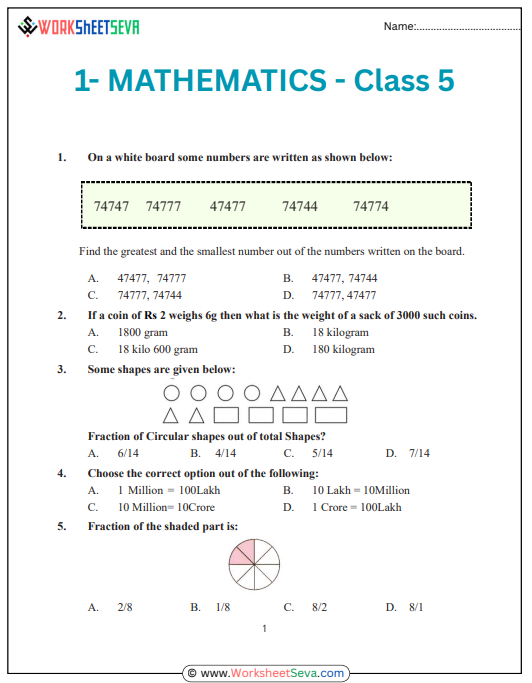
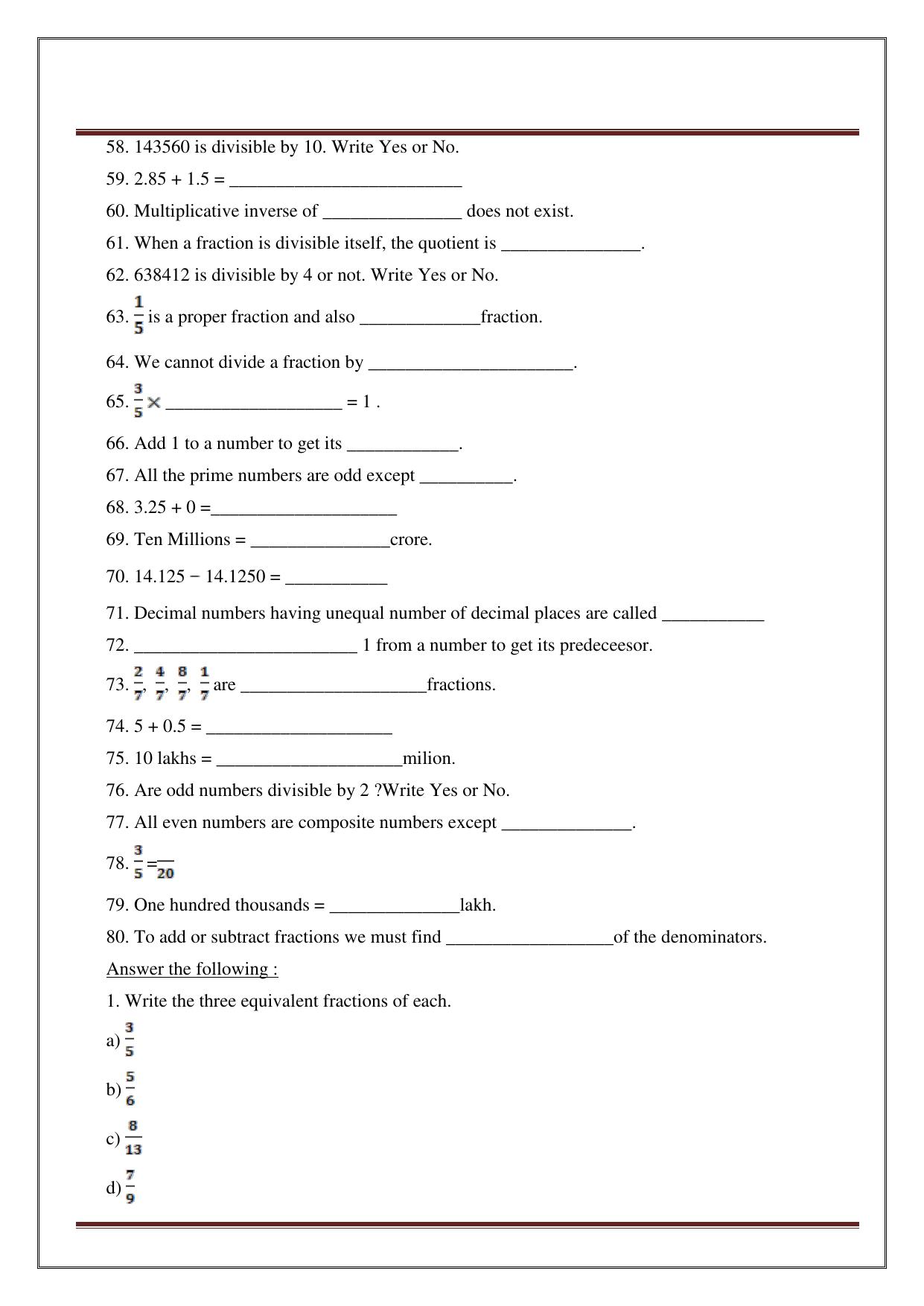
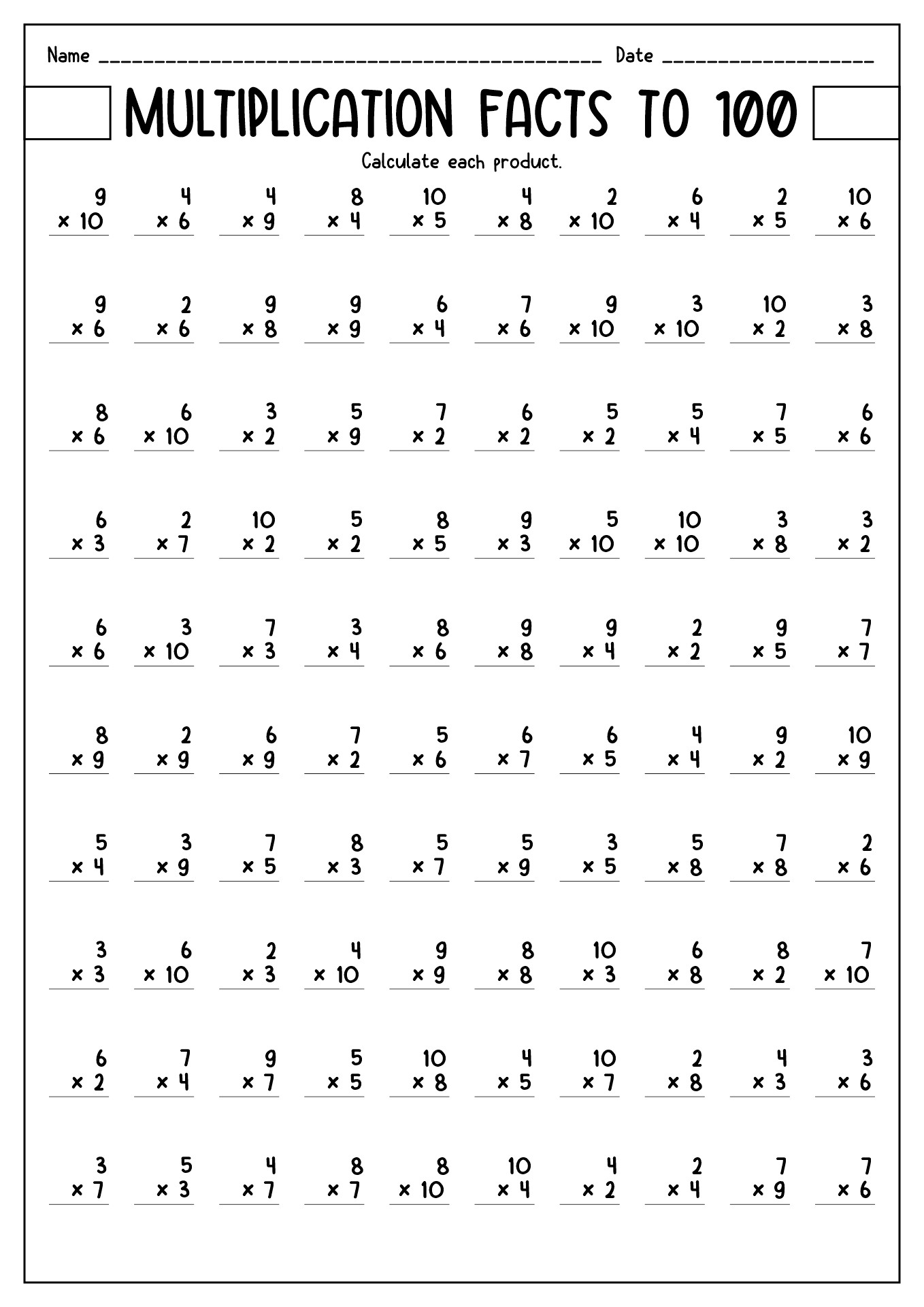
Typically, a comprehensive set of problems is structured to cover a breadth of topics pertinent to the curriculum for the designated grade level. Content often includes a mix of direct computation questions, word problems that require conceptual understanding and application, and questions involving visual interpretation or logical sequencing. Problems are often organized progressively, starting with simpler exercises to build confidence and gradually increasing in complexity to challenge and extend learning. Sections might focus on specific areas like number sense, operations and algebraic thinking, measurement and data, or geometry, ensuring a holistic review of the subject matter. Browse more guides on Cheap Worksheets.
To maximize the efficacy of this educational resource, a systematic approach to its utilization is recommended. First, it is beneficial to ensure a quiet, distraction-free environment and have all necessary stationery readily available. Before commencing, a brief review of the relevant concepts from textbooks or notes can refresh memory. Learners should then attempt each problem independently, showing all steps of their working to cultivate good problem-solving habits and facilitate error identification. Upon completion, answers should be checked against a provided solution key. Crucially, any incorrect answers should be analyzed to understand the underlying mistake, rather than simply noting the error. If difficulties persist, seeking clarification from an educator or mentor is advised. Consistent, rather than sporadic, practice yields the best results.
Further enriching the learning experience can be achieved through several additional strategies. Establishing a regular schedule for engaging with these numerical practice sheets helps embed a routine of consistent effort. Exploring supplementary educational materials, such as online tutorials, interactive games, or educational videos, can offer alternative perspectives and reinforce understanding. For concepts like fractions or geometry, utilizing physical manipulatives can provide a concrete understanding before transitioning to abstract problems. Discussing challenging problems with peers or adult guides can foster collaborative learning and deeper comprehension. Acknowledging and celebrating progress, no matter how small, reinforces positive learning behaviors.
In conclusion, a dedicated math practice document for this particular age group stands as an invaluable asset in the journey of academic development. It offers a structured, engaging, and effective means to reinforce learning, master essential concepts, and develop robust problem-solving skills. Through focused effort and strategic engagement with this type of resource, students can build a strong mathematical foundation, fostering confidence and a lifelong appreciation for the subject. Further exploration of related practice materials and educational tools is highly encouraged to support continuous growth and learning.
Developmental Milestone & Activity Table
| Development Stage | Recommended Daily Duration | Primary Learning Objective |
|---|---|---|
| Preschool & Pre-K | 10 – 15 Minutes | Pencil grip development & basic pre-stroke lines |
| Kindergarten | 15 – 20 Minutes | Letter/number formation & spatial line awareness |
| Early Elementary (Grade 1–2) | 20 – 30 Minutes | Fluency, sentence construction & neatness |
Images References