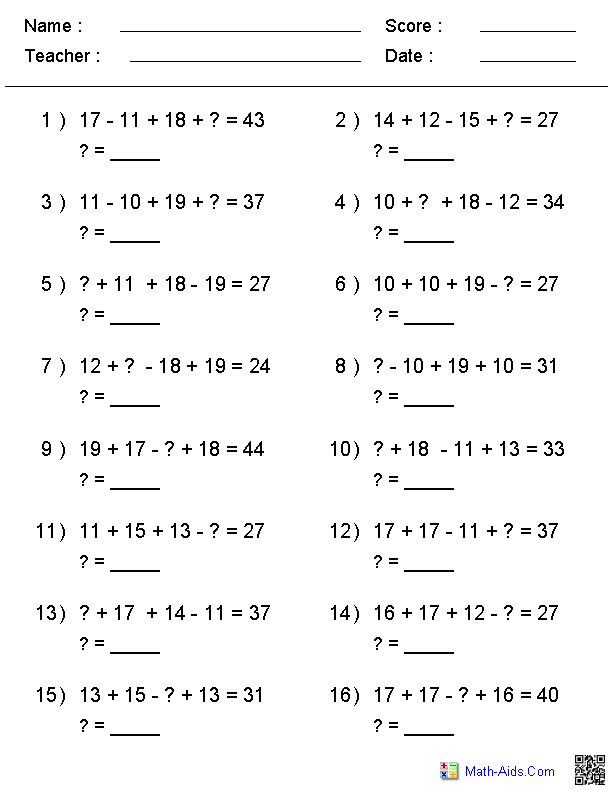
This article explores the utility and structure of a valuable educational resource: a worksheet specifically crafted to enhance proficiency in the academic standards set forth for K-12 education. Understanding these foundational benchmarks is paramount for student success, and dedicated practice materials serve as essential tools for mastering key concepts and applications. A well-designed worksheet provides a structured approach to identifying and addressing areas where understanding may need reinforcement, ultimately building a strong academic foundation.
💡 Educational Key Takeaways:
- Core Skill: Structured Common Core Problems focused on developing pencil grip, stroke control, and early literacy/math confidence.
- Target Scope: Suited for homeschoolers, preschool, kindergarten, and elementary learners.
- Best Recommendation: Practice 10–15 minutes daily with ergonomic writing tools to reinforce muscle memory without hand fatigue.
Engaging with such a specialized worksheet offers a multitude of learning outcomes and benefits. It systematically supports the development of crucial skills in both mathematics and English language arts, fostering a deeper comprehension of grade-level expectations. Users can anticipate an improvement in analytical thinking, refined problem-solving techniques, and a strengthened ability to apply theoretical knowledge to practical scenarios. This focused practice also bolsters confidence, preparing learners to tackle more complex academic tasks with greater assurance and competence.
The structure of this educational tool typically encompasses a variety of question types meticulously aligned with core academic objectives. Sections may include multiple-choice questions designed to test conceptual understanding, open-ended prompts encouraging critical reasoning, and word problems that require the application of multi-step solutions. Content often spans key mathematical domains such such as operations and algebraic thinking, numbers and operations in base ten, fractions, measurement, data, and geometry. In English language arts, exercises may cover reading comprehension, textual analysis, grammar, vocabulary acquisition, and the principles of effective written communication, all designed to reinforce the specific skills outlined in the academic standards. Browse more guides on Cheap Worksheets.
To maximize the effectiveness of this learning material, a systematic approach is recommended. First, it is advisable to thoroughly read all instructions before attempting any exercises. Next, approach each task independently, utilizing prior knowledge and problem-solving strategies. If a particular question presents a challenge, refer to relevant textbooks, class notes, or trusted educational resources for clarification. After completing a section, carefully review the answers, paying close attention to any incorrect responses. The most significant learning occurs when analyzing mistakes, understanding the reasoning behind correct solutions, and identifying areas for further study rather than simply noting an incorrect answer.
Beyond the direct engagement with the worksheet, several additional strategies can enhance the learning journey. Consistent, focused practice over time yields superior results compared to sporadic, lengthy study sessions. Establishing a quiet, organized study environment free from distractions can significantly improve concentration. Breaking down larger, more complex tasks into smaller, manageable steps also makes the learning process less daunting. Furthermore, exploring supplementary resources, such as official guides to academic standards, educational videos, or interactive online platforms, can provide diverse perspectives and reinforce understanding. Celebrating progress, no matter how small, helps maintain motivation and a positive learning mindset.
In summary, a worksheet designed around key academic benchmarks is an indispensable resource for cultivating a robust understanding of essential concepts and skills. Its structured approach facilitates targeted practice, fosters critical thinking, and builds confidence in learners. By utilizing this material effectively and incorporating supplementary learning strategies, individuals can significantly advance their academic capabilities. Exploration of this and other carefully crafted educational resources is highly encouraged to support continuous growth and achievement.
Developmental Milestone & Activity Table
| Development Stage | Recommended Daily Duration | Primary Learning Objective |
|---|---|---|
| Preschool & Pre-K | 10 – 15 Minutes | Pencil grip development & basic pre-stroke lines |
| Kindergarten | 15 – 20 Minutes | Letter/number formation & spatial line awareness |
| Early Elementary (Grade 1–2) | 20 – 30 Minutes | Fluency, sentence construction & neatness |