Introduction and Importance of Addition and Subtraction Christmas Coloring Worksheets
Integrating festive themes into educational activities can significantly enhance engagement and retention, particularly in subjects like mathematics. Worksheets that combine arithmetic practice with coloring activities offer a dual benefit: reinforcing fundamental math skills and fostering creativity. This approach is particularly effective for young learners who may find traditional drills monotonous. The incorporation of Christmas-related imagery, such as Santa Claus, reindeer, and ornaments, transforms a potentially tedious exercise into an enjoyable holiday-themed activity. Such worksheets are valuable resources for parents seeking to supplement their children’s learning at home, teachers aiming to create engaging classroom activities, and individuals looking for a fun way to refresh their math skills. Moreover, these tools provide a means of developing fine motor skills and visual perception alongside mathematical proficiency. The joy of coloring, combined with the challenge of solving equations, creates a positive learning environment that promotes a love of math and art.
💡 Activity Key Takeaways:
- Core Focus: Printable Addition And Subtraction Christmas Coloring Worksheets designed for creative expression and fine-motor coordination.
- Target Scope: Ideal for toddlers, preschool, kindergarten, and classroom art activities.
- Best Recommendation: Use standard heavy printer paper (24–28 lb) or cardstock for vibrant results with crayons, colored pencils, or washable markers.
Structure and How It Works
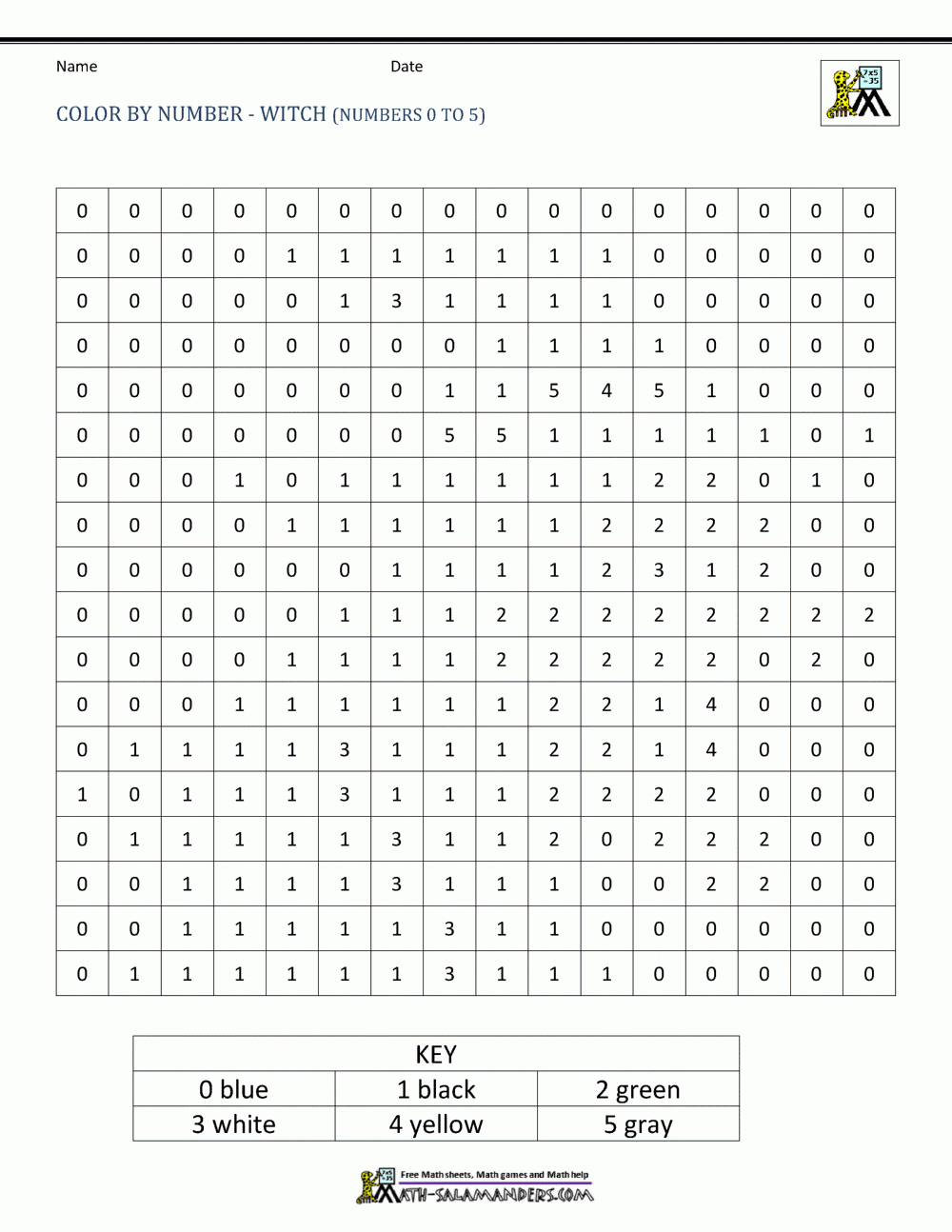
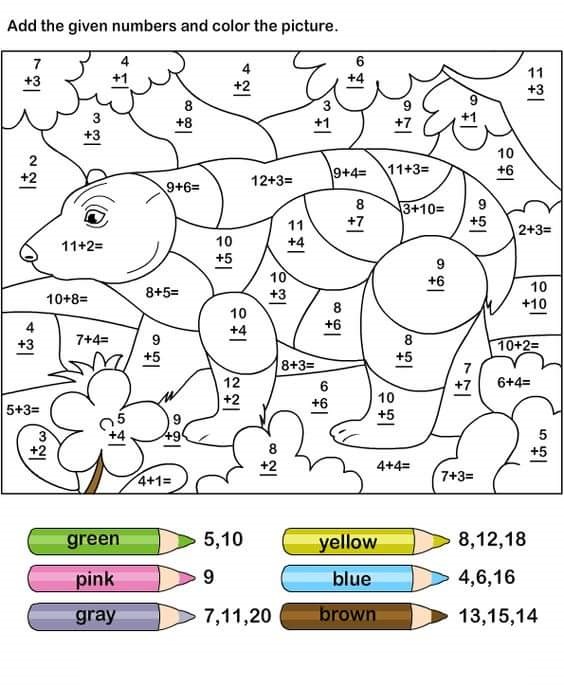
These worksheets typically feature a layout that presents a series of addition and subtraction problems, each associated with a specific area of a Christmas-themed picture. Core Exercises: The exercises range in difficulty to accommodate varying skill levels, from simple single-digit operations to more complex multi-digit calculations. Correctly solving each problem reveals a corresponding color, which is then applied to the designated area on the image. Interactive Elements: The worksheets often include a color key that links numerical answers to specific colors, ensuring a structured and guided coloring process. Some versions incorporate visual aids, such as number lines or manipulatives, to assist with problem-solving. Variations in design may include different types of Christmas-related imagery, such as snowmen, gingerbread houses, and Christmas trees, to maintain visual interest and cater to individual preferences. Advanced worksheets may introduce more complex arithmetic concepts, such as borrowing and carrying, or incorporate word problems to enhance comprehension and application. The integration of these elements creates a holistic learning experience.
Tips and Complementary Resources
To maximize the effectiveness of these worksheets, several strategies can be implemented. Daily Practice Tips: Consistent, short sessions of practice are more beneficial than infrequent, longer sessions. Encouraging children to work through a few problems each day can help reinforce concepts and build confidence. Pairing with Other Resources: Combining these worksheets with other learning materials, such as online math games or physical manipulatives, can further enhance understanding and retention. Providing positive reinforcement and praise for effort and progress is crucial for maintaining motivation. Encouraging collaborative work, such as having children work together to solve problems and color the images, can promote teamwork and communication skills. Furthermore, setting clear goals and expectations can help children stay focused and engaged. Tailoring the difficulty of the worksheets to the individual’s skill level is essential for preventing frustration and promoting a sense of accomplishment.
Conclusion
In conclusion, integrating arithmetic problems with Christmas-themed coloring activities offers a compelling and effective approach to learning and reinforcing fundamental math skills. These worksheets provide a unique blend of education and entertainment, making the learning process more enjoyable and engaging for individuals of all ages. The combination of problem-solving and creative expression fosters a positive attitude towards mathematics and encourages independent learning. By transforming potentially mundane exercises into festive activities, these tools can help spark a lifelong love of learning. Their accessibility and ease of use make them a valuable resource for parents, teachers, and self-learners alike. Encouraging the immediate use of such resources can lead to significant improvements in math proficiency and overall academic performance. Complementary resources, such as online math tutorials or interactive games, can further enhance the learning experience. Embrace the opportunity to make math practice a fun and festive activity with these unique learning tools.
Key Specifications & Age-Group Overview
| Age / Grade Group | Target Skill Focus | Recommended Medium |
|---|---|---|
| Toddlers (Ages 2–4) | Hand-eye coordination & broad motor grasp | Jumbo crayons & washable finger paints |
| Early Elementary (Ages 5–7) | Line boundaries & fine pencil control | Standard colored pencils & fine-tip markers |
| Intermediate (Ages 8+) | Color blending, shading & artistic patience | Watercolor pencils, gel pens & dual-brush markers |
Images References :
Discover more printable learning activities by visiting our full Shape and Color Worksheets archive for teachers, homeschoolers, and parents.