Introduction and Importance
Introducing arithmetic to young learners can be both exciting and challenging. A valuable tool for making this process more engaging and effective is the incorporation of visual and interactive elements. Worksheets that combine mathematical operations with artistic expression offer a unique opportunity to reinforce basic concepts in a fun and memorable way. This method transforms rote learning into an enjoyable activity, fostering a positive attitude towards mathematics from an early age. Such resources are particularly beneficial for kinesthetic and visual learners who thrive on hands-on experiences. These resources support the development of essential numeracy skills at home, in the classroom, or during independent study, providing a versatile learning option that caters to diverse learning styles. By integrating creativity with mathematics, children are more likely to retain information and develop a deeper understanding of fundamental principles. This integrated approach cultivates critical thinking skills, laying a solid foundation for future mathematical endeavors.
💡 Activity Key Takeaways:
- Core Focus: Printable Addition With Coloring Worksheets designed for creative expression and fine-motor coordination.
- Target Scope: Ideal for toddlers, preschool, kindergarten, and classroom art activities.
- Best Recommendation: Use standard heavy printer paper (24–28 lb) or cardstock for vibrant results with crayons, colored pencils, or washable markers.
Structure and How It Works
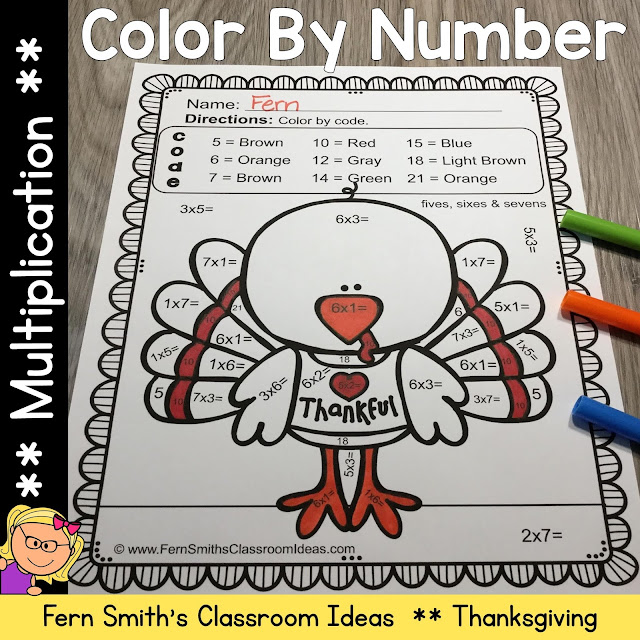
These types of educational resources typically feature a well-designed layout that seamlessly blends mathematical problems with coloring activities. The structure usually includes sections dedicated to specific addition facts, such as adding numbers within 10 or 20. Core Exercises: The core of each worksheet consists of addition problems presented in a clear and concise manner. These problems may range from simple single-digit addition to more complex equations involving multiple addends. Interactive Elements: Each answer corresponds to a specific color, which children then use to fill in designated areas of an accompanying image or pattern. This element of choice and creativity transforms the learning process into an engaging game, stimulating both cognitive and artistic abilities. By completing the addition problems correctly, children gradually reveal the hidden image or pattern, providing immediate visual feedback on their progress. This interactive process not only reinforces addition skills but also enhances fine motor skills and hand-eye coordination. The blend of computation and artistic expression makes learning enjoyable and effective.
Tips and Complementary Resources
To maximize the benefits of these educational tools, it is essential to implement effective strategies and incorporate complementary resources. Daily Practice Tips: Consistent, short practice sessions are more effective than infrequent, lengthy ones. Encourage children to complete a few problems each day to reinforce their understanding of addition facts. Creating a designated workspace free from distractions can also improve concentration and focus. Pairing with Other Resources: Supplement these worksheets with other mathematical resources, such as number lines, counters, or online games, to provide a well-rounded learning experience. These tools can help children visualize addition concepts and develop a deeper understanding of the underlying principles. Encouraging children to explain their thought processes while solving problems can also enhance their critical thinking skills and problem-solving abilities. Providing positive reinforcement and celebrating their progress can motivate them to continue learning and developing their mathematical abilities.
Conclusion
In summary, these educational worksheets offer a dynamic and effective approach to learning fundamental addition skills. The fusion of mathematical problem-solving with artistic creativity not only makes learning more engaging but also caters to diverse learning styles, making it a versatile resource for home, school, or self-study. The worksheets promote a positive attitude towards mathematics, fostering critical thinking and problem-solving skills. By consistently incorporating these resources into learning routines and supplementing them with other educational tools, educators and parents can create a well-rounded and enjoyable learning experience. These tools not only build a solid foundation in arithmetic but also enhance creativity and fine motor skills. Consider exploring related materials such as subtraction with coloring worksheets or multiplication grids to further enhance learning and development in mathematics. These readily available resources make learning both fun and effective, paving the way for future academic success.
Key Specifications & Age-Group Overview
| Age / Grade Group | Target Skill Focus | Recommended Medium |
|---|---|---|
| Toddlers (Ages 2–4) | Hand-eye coordination & broad motor grasp | Jumbo crayons & washable finger paints |
| Early Elementary (Ages 5–7) | Line boundaries & fine pencil control | Standard colored pencils & fine-tip markers |
| Intermediate (Ages 8+) | Color blending, shading & artistic patience | Watercolor pencils, gel pens & dual-brush markers |
Images References :
Discover more printable learning activities by visiting our full Shape and Color Worksheets archive for teachers, homeschoolers, and parents.