Introduction and Importance of functional skills level 1 worksheets
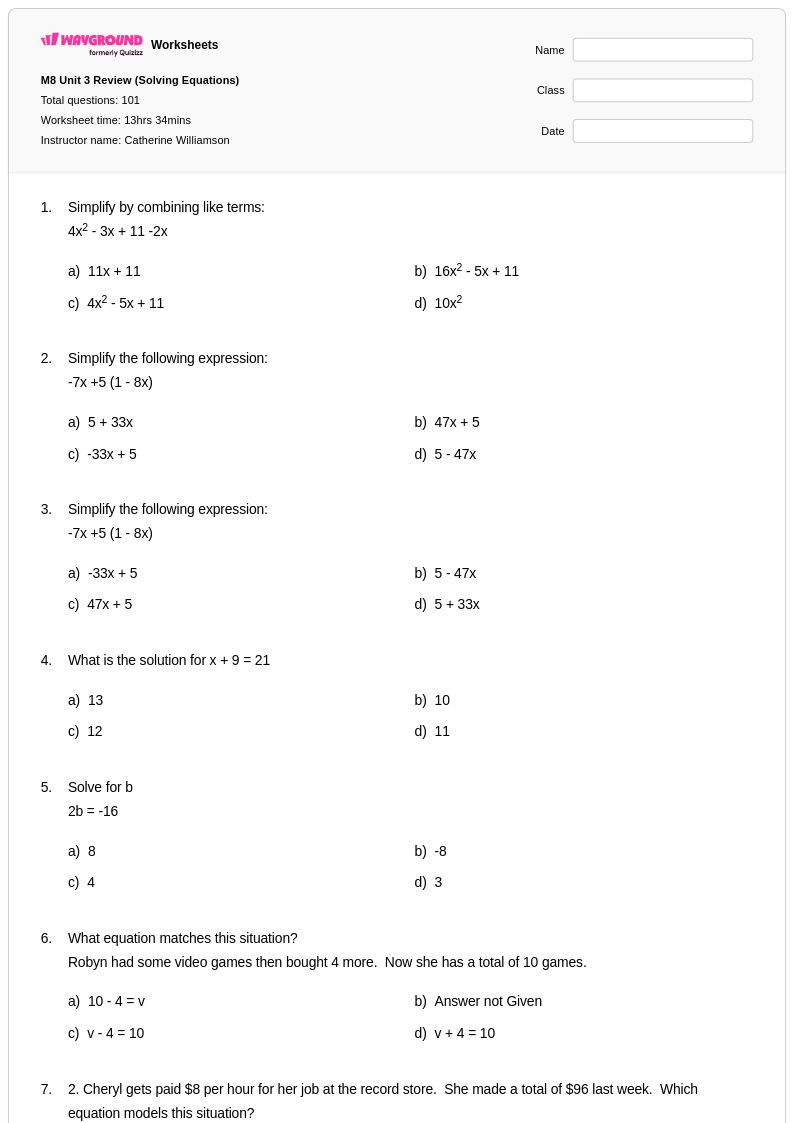
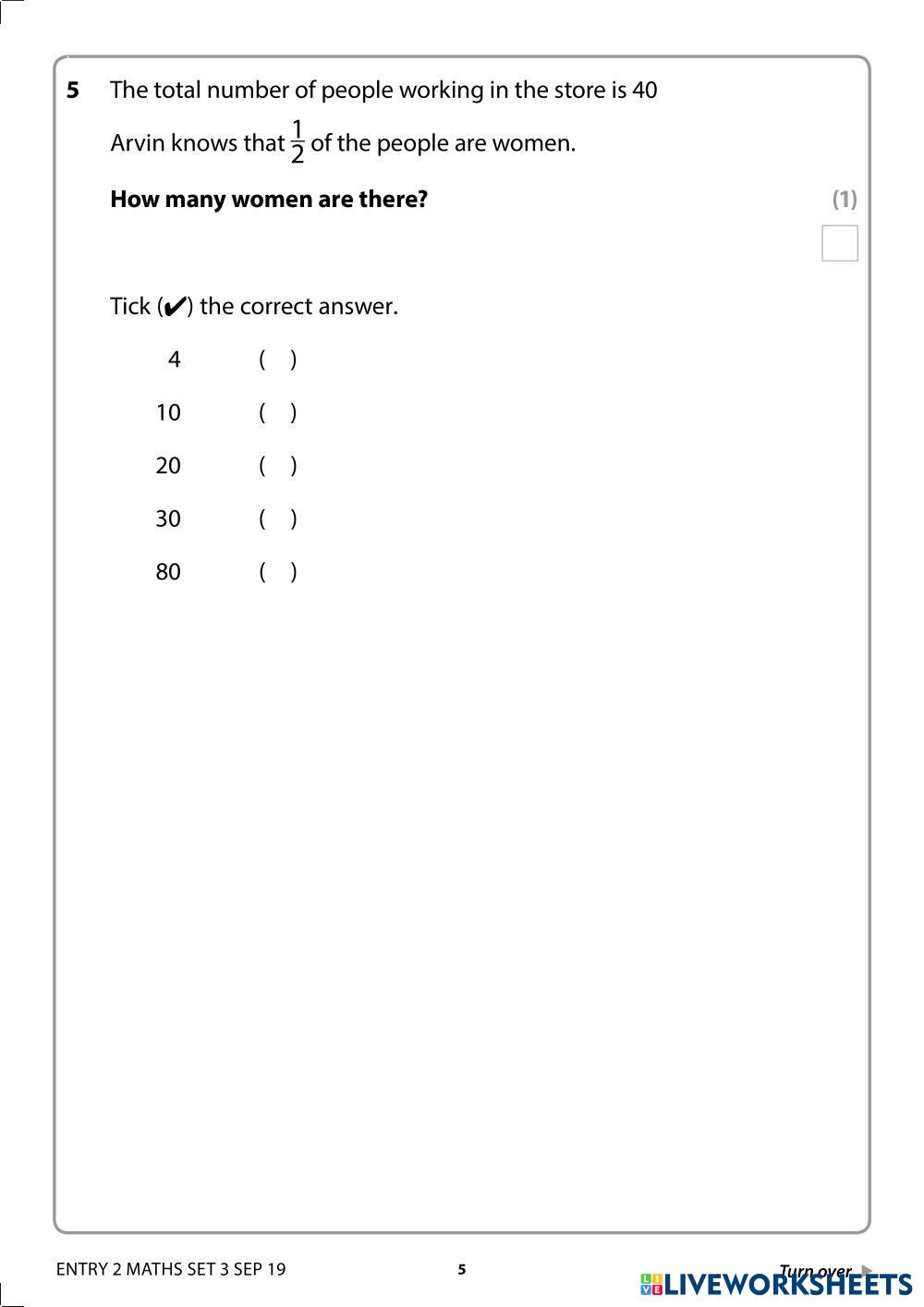
The development of essential abilities is crucial for navigating daily life and achieving success in various academic and professional endeavors. Worksheets designed for foundational competency building play a significant role in this process, offering a structured and accessible approach to learning. These resources are particularly beneficial in reinforcing fundamental concepts and skills within a supportive framework. They facilitate learning through targeted exercises and activities that cater to individual learning paces, making them suitable for home learning, classroom instruction, or independent study. Using worksheets allows learners to actively engage with the material, strengthening comprehension and retention. Furthermore, consistent practice with these educational aids fosters confidence and prepares individuals to tackle more complex challenges, ultimately leading to greater self-sufficiency and success in both personal and professional settings. These worksheets serve as a stepping stone to further education and career advancement, equipping learners with the tools they need to thrive in a constantly evolving world.
💡 Educational Key Takeaways:
- Core Skill: Structured Functional Skills Level 1 Worksheets focused on developing pencil grip, stroke control, and early literacy/math confidence.
- Target Scope: Suited for homeschoolers, preschool, kindergarten, and elementary learners.
- Best Recommendation: Practice 10–15 minutes daily with ergonomic writing tools to reinforce muscle memory without hand fatigue.
Structure and How It Works
These educational resources are meticulously designed to promote progressive skill development. Core Exercises: Each worksheet typically begins with a review of fundamental concepts, followed by a series of exercises designed to reinforce understanding. These exercises often include multiple-choice questions, fill-in-the-blanks, and problem-solving activities. The structure is carefully sequenced to build upon previously learned material, ensuring a solid foundation for future learning. Worksheets are often organized into sections that focus on specific skill areas, allowing learners to target their efforts and track their progress effectively. Interactive Elements: Many feature visual aids such as diagrams, charts, and illustrations to enhance comprehension and engagement. Real-world scenarios are frequently incorporated to demonstrate the practical application of the skills being learned. Furthermore, some may include self-assessment tools that allow learners to monitor their understanding and identify areas where they need additional support. The inclusion of answer keys enables independent learners to check their work and reinforce their knowledge. This structured approach facilitates effective learning and skill development.
Tips and Complementary Resources
Maximizing the benefits requires a strategic approach and the utilization of supplementary materials. Daily Practice Tips: Dedicate a specific time each day to work through the exercises, ensuring consistent reinforcement of the learned concepts. Review previously completed worksheets regularly to maintain retention and identify any areas where further practice may be needed. Focus on understanding the underlying principles rather than simply memorizing answers. Seek clarification from teachers, tutors, or online resources for any concepts that remain unclear. Pairing with Other Resources: Consider supplementing the practice with online tutorials, interactive games, and real-world applications to enhance learning. Collaborative study with peers can provide additional support and different perspectives. Explore additional materials that target specific skill areas that require further development. By combining consistent practice with diverse resources, individuals can achieve a deeper understanding and mastery of essential abilities, paving the way for future success.
Conclusion
The use of these targeted practice resources offers a valuable opportunity to strengthen foundational skills and build confidence. The structured approach, combined with consistent practice, empowers individuals to improve their capabilities and achieve their learning goals. By actively engaging with the exercises and seeking support when needed, learners can unlock their full potential and pave the way for future success. The benefits extend beyond the classroom, equipping individuals with the skills they need to navigate daily life and pursue their personal and professional aspirations. It is encouraged to implement these resources into a regular study routine to experience their full impact. Exploring related materials, such as online learning platforms and interactive tools, can further enhance the learning experience and provide additional opportunities for skill development. The key is to remain proactive, persistent, and committed to continuous learning. The foundational abilities acquired through dedicated practice will undoubtedly serve as a solid foundation for future endeavors and achievements.
Developmental Milestone & Activity Table
| Development Stage | Recommended Daily Duration | Primary Learning Objective |
|---|---|---|
| Preschool & Pre-K | 10 – 15 Minutes | Pencil grip development & basic pre-stroke lines |
| Kindergarten | 15 – 20 Minutes | Letter/number formation & spatial line awareness |
| Early Elementary (Grade 1–2) | 20 – 30 Minutes | Fluency, sentence construction & neatness |
Images References






Discover more printable learning activities by visiting our full Early Math Skills Worksheets archive for teachers, homeschoolers, and parents.