

Introduction and Importance of Matching Activities for Young Learners
Matching activities serve as a foundational tool in early childhood education, offering a playful yet effective avenue for cognitive development. These exercises are particularly beneficial for kindergarten-aged children as they support the development of critical thinking skills, visual discrimination, and pattern recognition. Engaging in these activities at home, in the classroom, or during self-study periods, fosters an environment where children learn to identify similarities and differences, a crucial precursor to more complex problem-solving abilities. Moreover, the sense of accomplishment derived from successfully completing a matching task can significantly boost a child’s confidence and motivation to learn. This encouragement plays a pivotal role in establishing a positive attitude towards education early on. Ultimately, incorporating matching activities into a child’s learning routine is an investment in their future academic success and overall intellectual growth.
💡 Educational Key Takeaways:
- Core Skill: Structured Kindergarten Matching Worksheets focused on developing pencil grip, stroke control, and early literacy/math confidence.
- Target Scope: Suited for homeschoolers, preschool, kindergarten, and elementary learners.
- Best Recommendation: Practice 10–15 minutes daily with ergonomic writing tools to reinforce muscle memory without hand fatigue.
Structure and How It Works
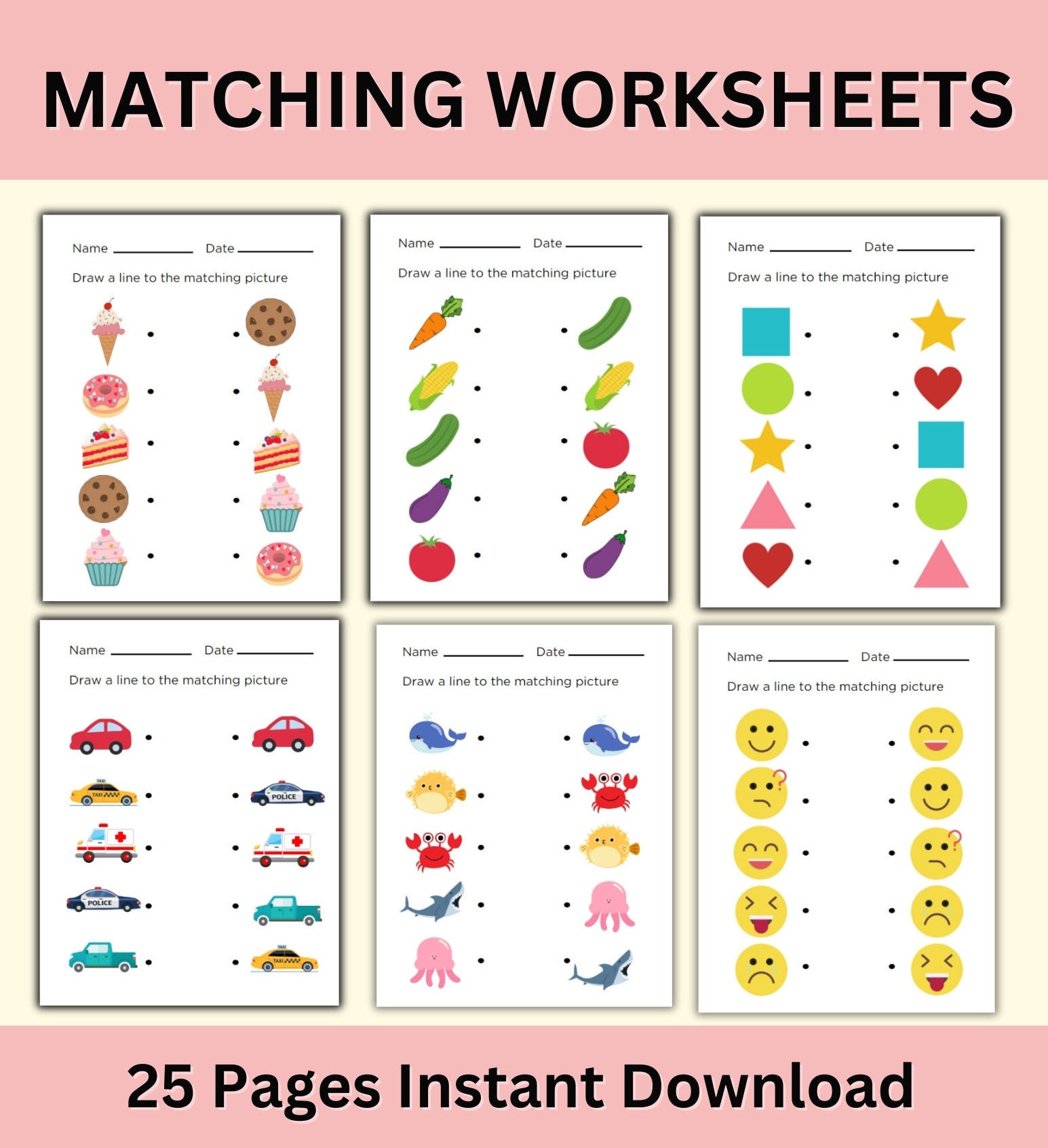
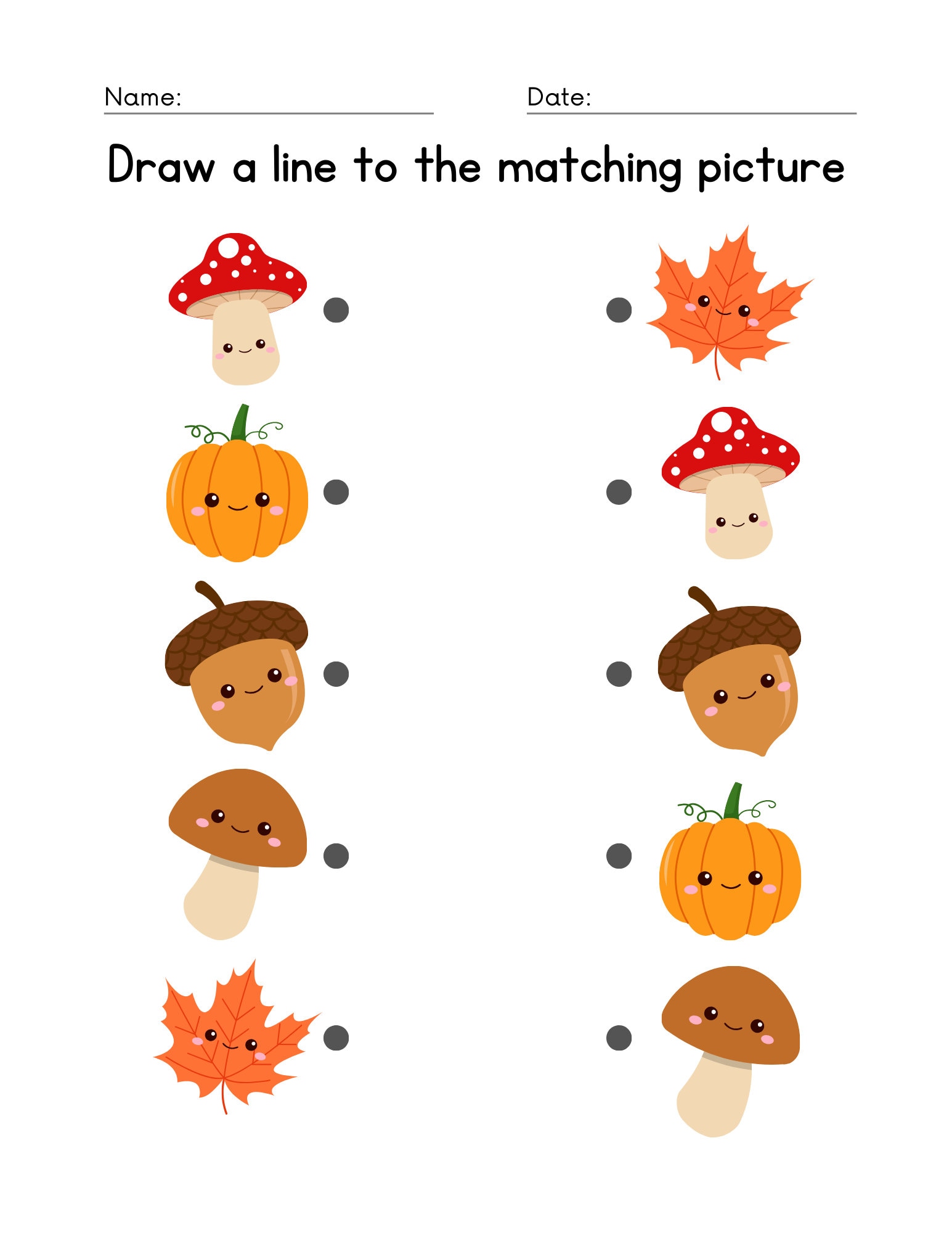
These educational resources typically consist of visually appealing layouts designed to capture the attention of young children. The structure often involves two distinct columns or sections, each containing images, words, or patterns that need to be paired correctly. Core Exercises: Activities can range from matching identical pictures, connecting objects to their corresponding colors, or associating animals with their habitats. The complexity can be adjusted to suit the child’s developmental stage, starting with simple matches and gradually increasing in difficulty. Interactive Elements: Some examples include lines drawn to connect matching pairs, circling the correct match, or even cutting and pasting to physically link the items. Instructions are generally clear and concise, often incorporating visual cues to aid understanding. The worksheets often include a variety of themes, such as animals, foods, shapes, and letters, providing exposure to different concepts and vocabulary. Successful completion of these tasks requires focused attention and the ability to differentiate between visual details, reinforcing essential pre-reading and pre-math skills.
Tips and Complementary Resources
To maximize the effectiveness of these learning aids, implement strategic usage techniques. Daily Practice Tips: Short, focused sessions of 15-20 minutes are generally more effective than longer, infrequent sessions. Create a dedicated, distraction-free learning environment to enhance concentration. Offer positive reinforcement and encouragement to motivate the child. Pairing with Other Resources: Supplement these activities with real-life matching games using household objects or outdoor items. Integrate storytelling by creating narratives around the images or concepts being matched. Consider using online interactive matching games or apps to provide variety and engage the child’s interest further. Regularly assess the child’s progress and adjust the difficulty level accordingly to maintain engagement and prevent frustration. By combining these resources, learning becomes a multifaceted and enjoyable experience.
Conclusion
In summary, matching activities offer a valuable pathway for young learners to develop crucial cognitive and visual discrimination skills. Their engaging format and adaptable difficulty levels make them suitable for a wide range of developmental stages. By incorporating these materials into a childs learning environment, parents and educators can foster a strong foundation for future academic success. The benefits extend beyond simple skill acquisition; they cultivate a sense of accomplishment, boost confidence, and instill a positive attitude towards learning. Immediate implementation of these activities, coupled with consistent support and encouragement, can lead to significant improvements in a child’s cognitive abilities. Consider exploring related materials, such as alphabet tracing worksheets or simple counting exercises, to further enhance their overall learning experience and ensure a well-rounded educational foundation.
Developmental Milestone & Activity Table
| Development Stage | Recommended Daily Duration | Primary Learning Objective |
|---|---|---|
| Preschool & Pre-K | 10 – 15 Minutes | Pencil grip development & basic pre-stroke lines |
| Kindergarten | 15 – 20 Minutes | Letter/number formation & spatial line awareness |
| Early Elementary (Grade 1–2) | 20 – 30 Minutes | Fluency, sentence construction & neatness |
Images References


Discover more printable learning activities by visiting our full Pre K Activity Worksheets archive for teachers, homeschoolers, and parents.


