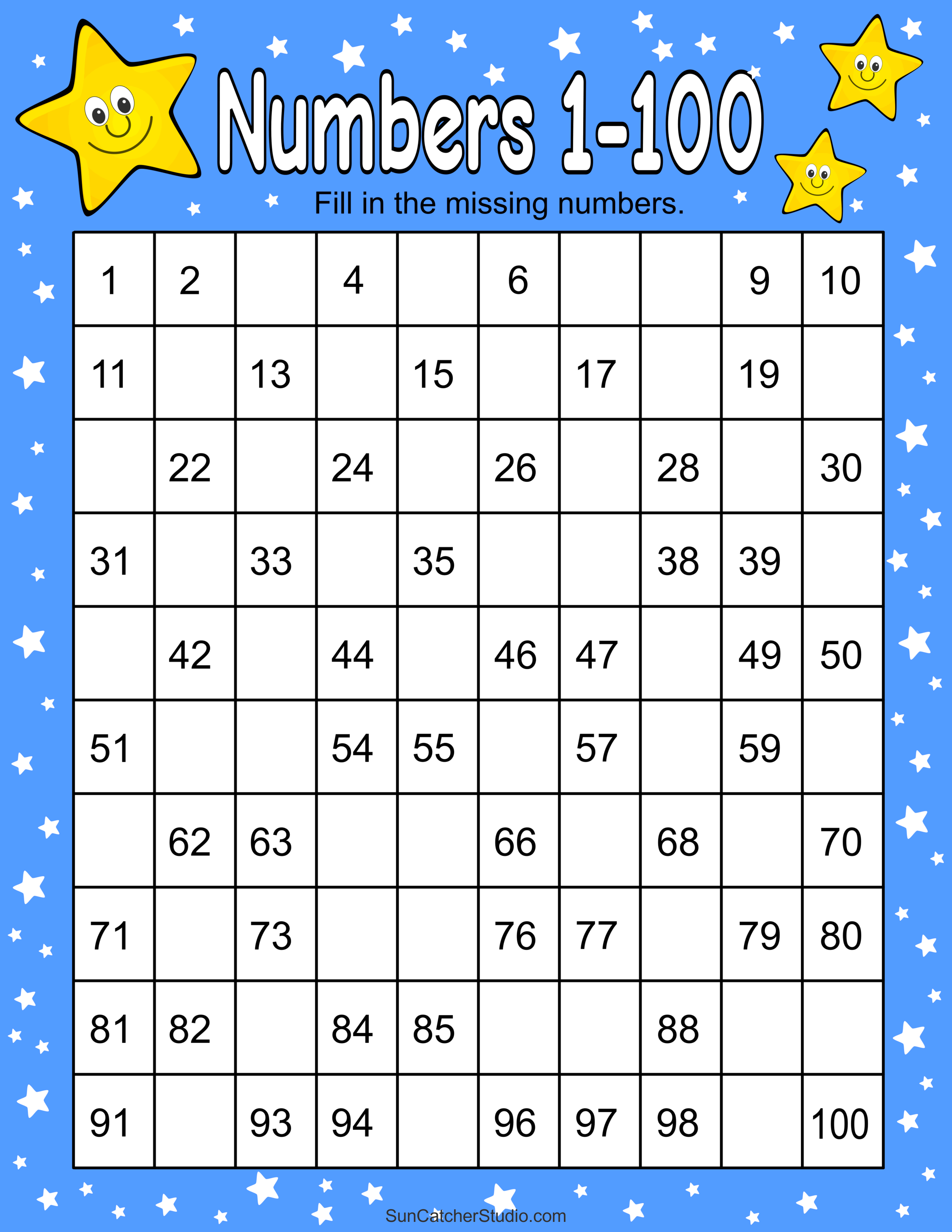
Introduction and Importance of Number Six Worksheets for Kindergarten
Introducing numerical concepts to kindergarteners is a foundational step in their mathematical journey. Worksheets focusing on the number six play a pivotal role in building this foundation. These resources provide a structured and engaging way for young learners to grasp the numerical value, recognize the corresponding numeral, and begin to associate it with real-world quantities. Skill development begins with simple counting exercises that reinforce one-to-one correspondence. Activities that involve tracing and writing the numeral help develop fine motor skills while simultaneously reinforcing numeral recognition. Beyond basic recognition, these resources can introduce early addition and subtraction concepts through visual aids, making the abstract idea of numbers more concrete and accessible. Learning to identify and understand the number six contributes significantly to a childs overall mathematical readiness, preparing them for more advanced concepts in subsequent grades. They also provide a valuable tool for parents and educators to assess a child’s understanding and identify areas requiring additional support, all within a fun and supportive learning environment that encourages exploration and discovery.
💡 Educational Key Takeaways:
- Core Skill: Structured Number 6 Worksheets For Kindergarten focused on developing pencil grip, stroke control, and early literacy/math confidence.
- Target Scope: Suited for homeschoolers, preschool, kindergarten, and elementary learners.
- Best Recommendation: Practice 10–15 minutes daily with ergonomic writing tools to reinforce muscle memory without hand fatigue.
Structure and How It Works
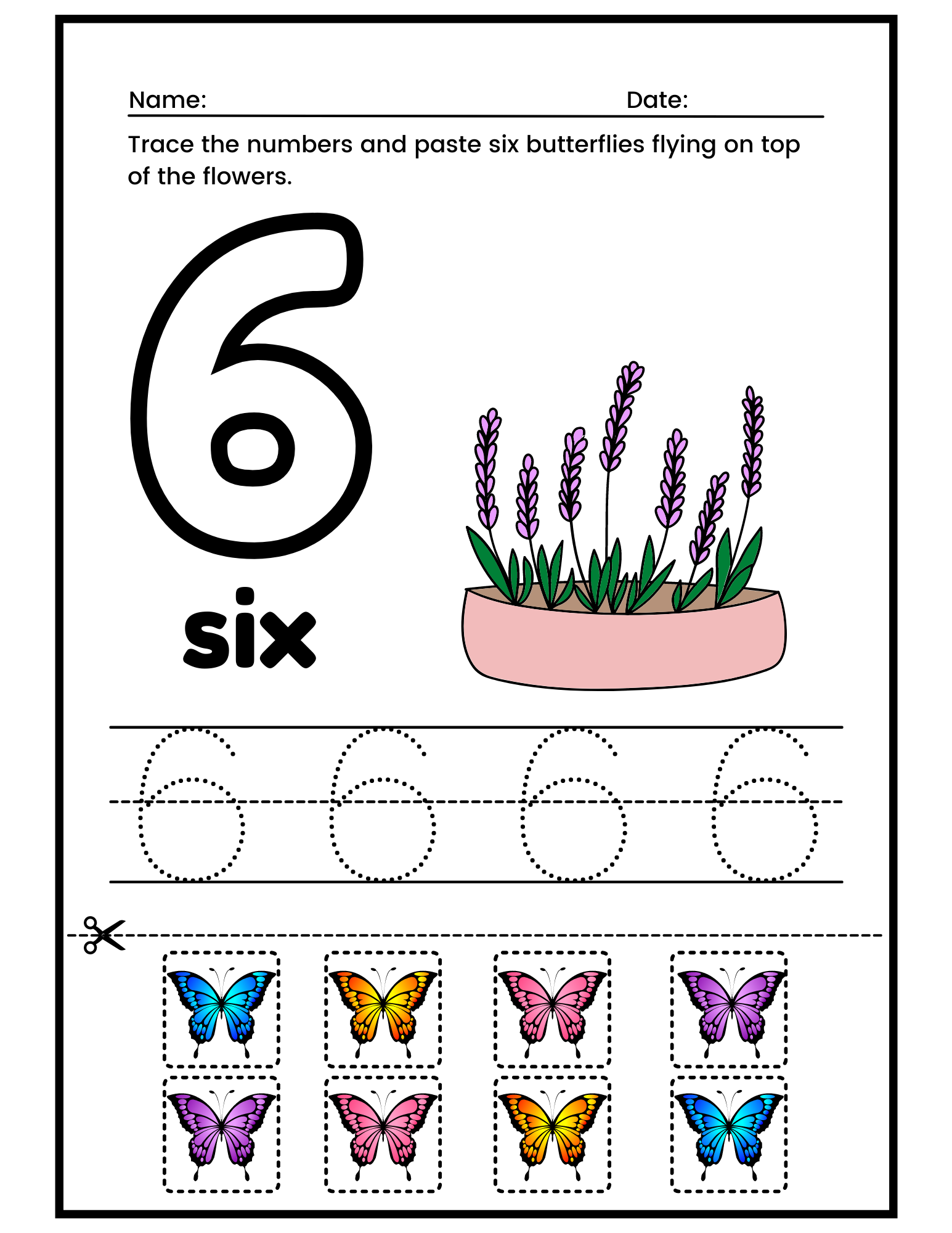
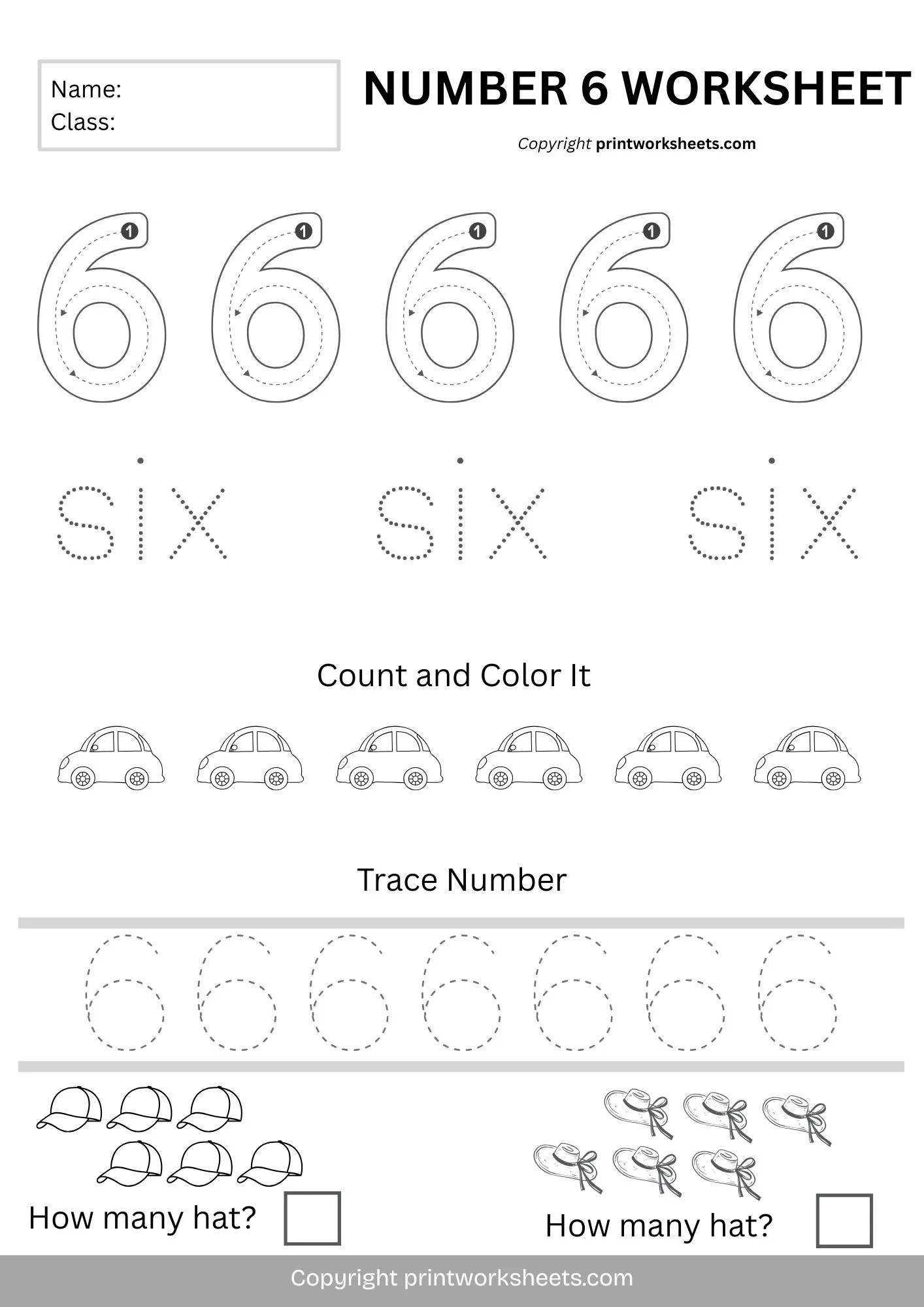
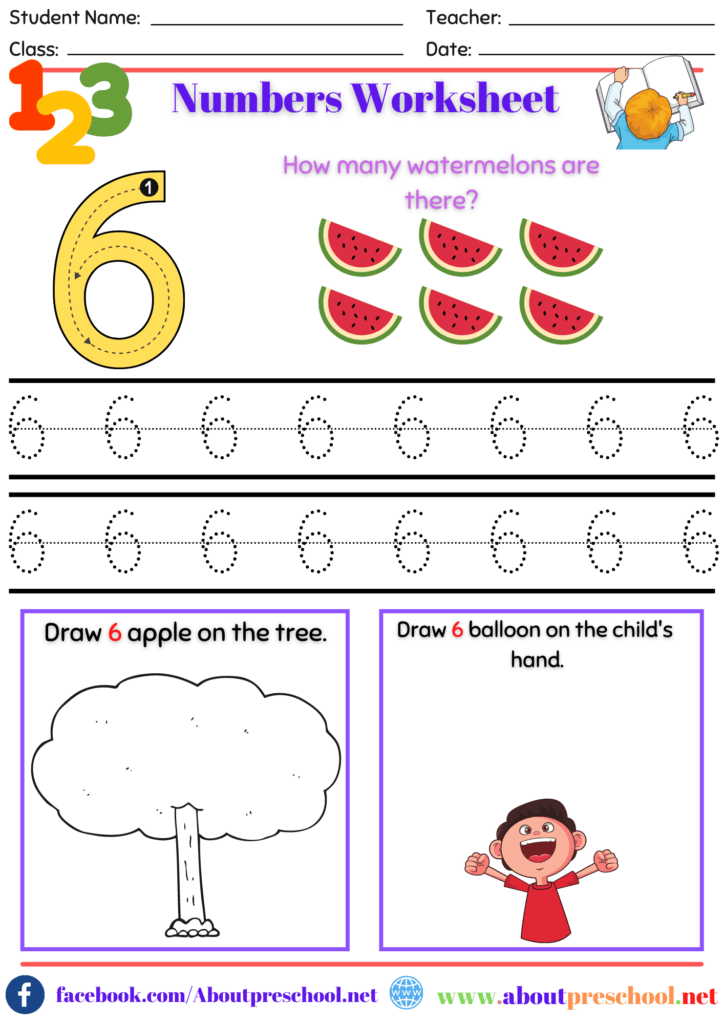
Resources designed for kindergarteners learning the number six are typically structured to maximize engagement and retention through a variety of activities. Core Exercises: These often begin with simple counting exercises, where children count sets of six objects represented by pictures. Tracing activities guide young learners in properly forming the numeral. Writing exercises build on this by allowing them to practice writing the number independently. Interactive Elements: Coloring sections further enhance engagement, with tasks such as coloring six specific items from a larger set. Matching games may pair the numeral with groups of six objects. Simple addition and subtraction problems are frequently included, presented visually to aid comprehension, such as adding or subtracting one from a group of six. Worksheets frequently incorporate diverse layouts to maintain interest. Instructions are written clearly and concisely, using age-appropriate language. These activities are usually presented in a sequential manner, progressing from simple recognition to more complex application, enabling children to master the number six progressively and confidently.
Tips and Complementary Resources
To maximize the educational benefit of these resources, implementing consistent and engaging strategies is beneficial. Daily Practice Tips: Integrating short, focused sessions into a daily routine can solidify understanding. Keep sessions brief and varied to maintain interest. Encourage verbal reinforcement, prompting the child to count objects aloud or explain their reasoning. Provide positive feedback and celebrate small victories to build confidence. Pairing with Other Resources: Supplementing worksheets with hands-on activities, such as using blocks or toys to represent groups of six, can significantly enhance learning. Online games and interactive apps can provide an engaging digital alternative. Storybooks that feature counting and number recognition can make learning more immersive. Combining resources in this way will provide a holistic learning experience, catering to various learning styles and reinforcing the concept of the number six from multiple angles. This multifaceted approach fosters a deeper understanding and greater retention of the material.
Conclusion
Resources designed to teach the number six offer a valuable contribution to a kindergartener’s early mathematical education. They provide a structured and engaging platform to develop essential skills, ranging from numeral recognition and writing to basic counting and early arithmetic. These worksheets, when used consistently and creatively, can significantly boost a childs confidence and readiness for more advanced math concepts. By incorporating practical tips and supplementing them with other hands-on or digital resources, parents and educators can create a dynamic and enriching learning experience. It is encouraged to incorporate these materials into teaching strategies to solidify numerical foundations in young children. Explore related materials focusing on other single-digit numbers to provide a comprehensive introduction to the world of mathematics. Embrace the opportunity to nurture their mathematical curiosity and foster a lifelong love of learning.
Developmental Milestone & Activity Table
| Development Stage | Recommended Daily Duration | Primary Learning Objective |
|---|---|---|
| Preschool & Pre-K | 10 – 15 Minutes | Pencil grip development & basic pre-stroke lines |
| Kindergarten | 15 – 20 Minutes | Letter/number formation & spatial line awareness |
| Early Elementary (Grade 1–2) | 20 – 30 Minutes | Fluency, sentence construction & neatness |
Images References




Discover more printable learning activities by visiting our full Number Worksheets archive for teachers, homeschoolers, and parents.