

Introduction and Importance of number counting activities for kindergarten
Early experiences with quantity and numerical concepts lay a fundamental foundation for later mathematical proficiency. Activities designed to foster these skills in kindergarten are crucial, serving as a child’s initial structured introduction to the world of mathematics. Through engaging with counting and quantity, young learners develop number sense, the intuitive understanding of what numbers mean and how they relate to one another. This understanding supports their ability to estimate, compare, and solve problems. Introducing numbers through play and interactive exercises helps cement these abstract concepts in a tangible way.
💡 Educational Key Takeaways:
- Core Skill: Structured Number Counting Activities For Kindergarten focused on developing pencil grip, stroke control, and early literacy/math confidence.
- Target Scope: Suited for homeschoolers, preschool, kindergarten, and elementary learners.
- Best Recommendation: Practice 10–15 minutes daily with ergonomic writing tools to reinforce muscle memory without hand fatigue.
The benefits of a solid early foundation in counting extend far beyond the classroom. A strong grasp of basic mathematical concepts boosts confidence and promotes critical thinking skills applicable in various real-world scenarios. Whether at home, in a formal learning environment, or through self-directed learning, engaging with age-appropriate arithmetic practices sets the stage for future academic success and problem-solving abilities. Furthermore, it builds a child’s comfort level with mathematics, reducing anxiety and promoting a positive attitude towards learning. Related guide: Kindergarten Math Worksheets Matching Numbers.
Structure and How It Works
Effectively designed learning exercises for young children typically feature a variety of methods to cater to different learning styles. Worksheets often begin with simple counting tasks, progressing to more complex activities as the child’s comprehension grows.
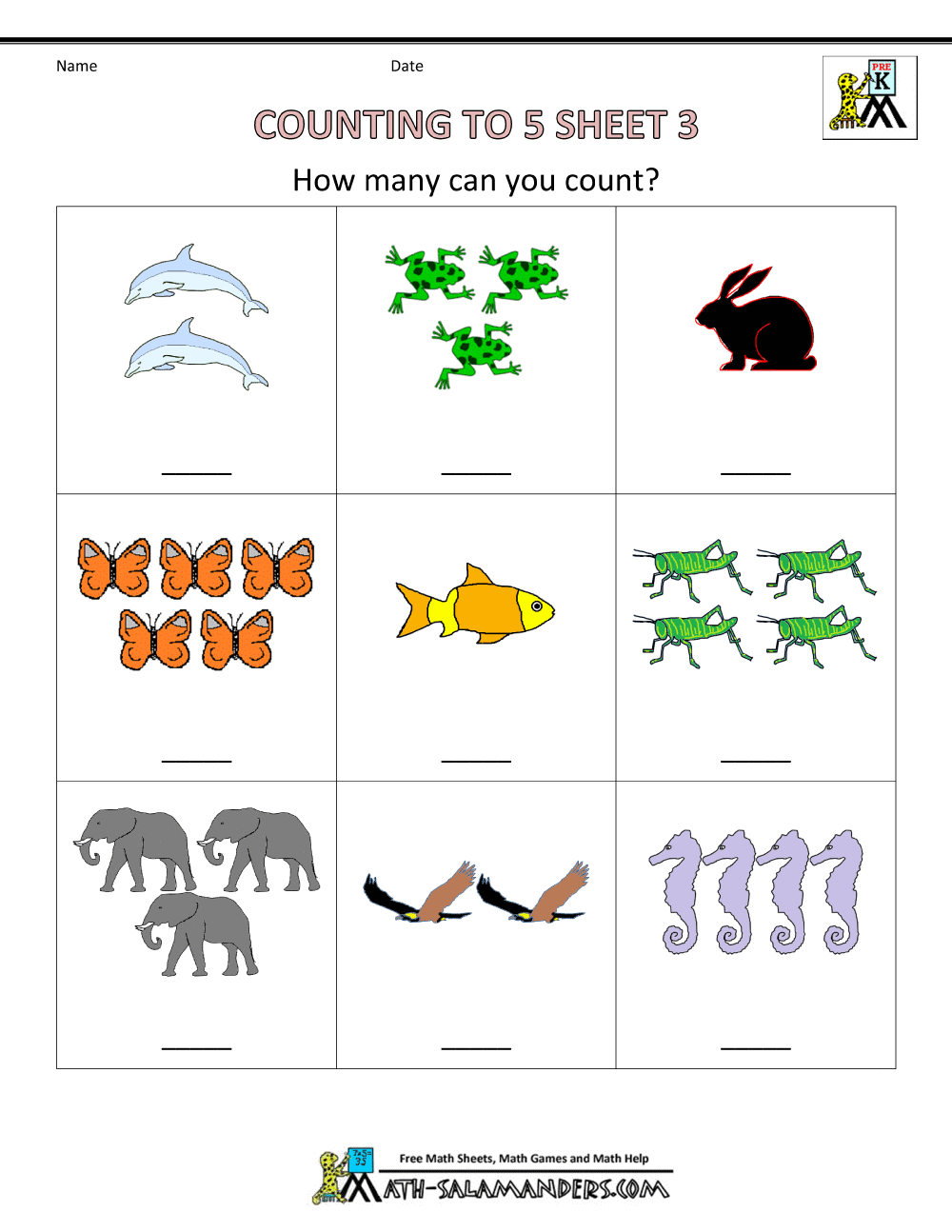
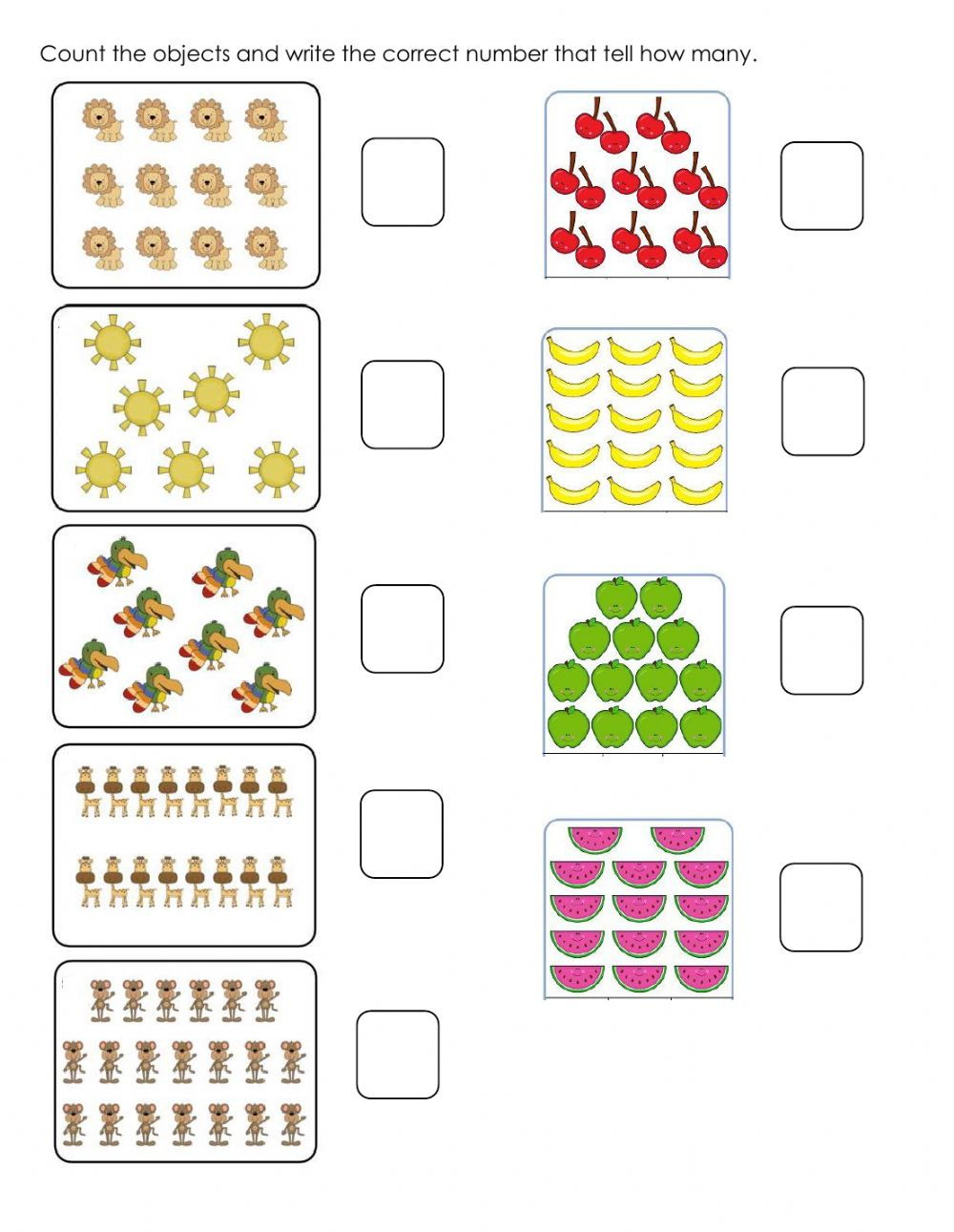
Core Exercises: These include counting objects in a group, such as animals, shapes, or toys. Activities often require matching numerical symbols to a corresponding quantity of items. Additional exercises may focus on writing numbers, tracing numerals, or filling in missing numbers in a sequence. The structure allows for incremental learning, building from basic counting to more advanced concepts like number identification.
Interactive Elements: Engaging elements such as colorful illustrations, games, and puzzles keep young children motivated and entertained. Some exercises may involve coloring a specific number of objects or completing a connect-the-dots activity to reveal a picture. These visual and kinesthetic elements enhance learning by connecting abstract concepts with tangible experiences, making the acquisition of skills enjoyable. The worksheets are structured to be concise and manageable, preventing cognitive overload and promoting focused learning.
Tips and Complementary Resources
To maximize the benefits of numerical activities, consider incorporating them into daily routines. Consistency and repetition are key to reinforcing the learned concepts.
Daily Practice Tips: Dedicate a specific time each day for working on number skills. Keep sessions short and focused, adjusting the pace to match the child’s individual learning style and attention span. Use positive reinforcement, offering praise and encouragement for effort and progress. Remember to keep it fun and engaging to avoid frustration and maintain interest.
Pairing with Other Resources: Complement these skills through real-world counting opportunities, such as counting snacks, toys, or steps. Integrate other educational resources, such as number blocks, online games, and counting books, to provide a multi-sensory learning experience. Collaboration with teachers and educational experts can provide valuable guidance and tailor activities to meet specific learning needs.
Conclusion
Engaging in early numerical practices offers significant advantages, equipping young learners with essential skills that will serve them well throughout their academic journey and beyond. Through structured and engaging exercises, children build a strong foundation in number sense, critical thinking, and problem-solving abilities. Encouraging exploration of numerical concepts sets the stage for a positive and confident approach to mathematics in the future.
The benefits extend beyond academic achievements, promoting a deeper understanding of the world around us. By fostering a love of learning and exploration from an early age, we empower children to become confident and capable problem-solvers. Consider exploring related materials that build upon these foundational skills, such as activities that introduce simple addition and subtraction, further solidifying their understanding of number relationships. Continuous exploration and practice are essential for cultivating lifelong learning and mathematical proficiency.
Visual Reference Gallery


Developmental Milestone & Activity Table
| Development Stage | Recommended Daily Duration | Primary Learning Objective |
|---|---|---|
| Preschool & Pre-K | 10 – 15 Minutes | Pencil grip development & basic pre-stroke lines |
| Kindergarten | 15 – 20 Minutes | Letter/number formation & spatial line awareness |
| Early Elementary (Grade 1–2) | 20 – 30 Minutes | Fluency, sentence construction & neatness |
Images References :
Discover more printable learning activities by visiting our full Number Worksheets archive for teachers, homeschoolers, and parents.


