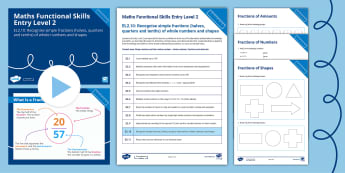
Introduction and Importance of Early Numeracy Practice Materials
A strong foundation in mathematics is crucial for academic success, and the journey begins long before formal schooling. Early numeracy practice materials play a vital role in preparing young minds for the mathematical concepts they will encounter later. These resources provide a structured and engaging way to introduce fundamental skills such as number recognition, counting, and basic shapes. Utilizing them at home, in preschools, or even as part of self-directed learning programs can significantly enhance a child’s readiness for kindergarten and beyond. The benefits extend beyond academics, fostering critical thinking, problem-solving abilities, and a general comfort level with numbers. Early exposure helps to prevent math anxiety and builds confidence, enabling children to approach future challenges with a positive attitude. In essence, these preparatory exercises set the stage for a lifetime of mathematical understanding and achievement. Moreover, the early introduction to mathematical concepts in a fun and accessible format allows children to develop a positive attitude toward learning, which can be a valuable asset throughout their educational journey. They serve as a bridge, making the transition to more complex mathematical ideas smoother and less intimidating.
💡 Educational Key Takeaways:
- Core Skill: Structured Pre Math Skills Worksheets focused on developing pencil grip, stroke control, and early literacy/math confidence.
- Target Scope: Suited for homeschoolers, preschool, kindergarten, and elementary learners.
- Best Recommendation: Practice 10–15 minutes daily with ergonomic writing tools to reinforce muscle memory without hand fatigue.
Structure and How It Works
These educational aids are typically designed with a clear and progressive structure to facilitate learning. The layout often starts with simple activities and gradually increases in complexity as the child progresses. Core Exercises: Commonly, they include activities focused on number identification, where children learn to recognize and write numerals. Counting exercises are also prevalent, ranging from counting objects in pictures to more abstract counting sequences. Shape recognition is another fundamental component, teaching children to identify basic geometric shapes like circles, squares, and triangles. Interactive Elements: Many of these materials incorporate visual aids, such as colorful illustrations and engaging graphics, to capture a child’s attention. Worksheets may also include activities that encourage fine motor skills, like tracing numbers or drawing shapes. Furthermore, some introduce basic mathematical operations such as addition and subtraction using simple manipulatives. The exercises are generally designed to be short and focused, catering to the attention span of young learners. The structured approach, combined with interactive elements, helps to create a learning experience that is both effective and enjoyable, laying the groundwork for a deeper understanding of mathematical concepts in the future.
Tips and Complementary Resources
To maximize the benefits, integrating these resources into a daily routine is key. Daily Practice Tips: Short, consistent sessions are more effective than infrequent, longer ones. Creating a dedicated learning space can also help children focus. It is also beneficial to tailor the activities to the individual child’s pace and learning style. Positive reinforcement and encouragement are essential to build confidence and foster a love of learning. Pairing with Other Resources: Supplementing the worksheets with hands-on activities, such as using blocks or counters to represent numbers, can enhance understanding. Interactive online games and educational videos can also be valuable additions. Libraries and bookstores offer a wealth of children’s books that introduce mathematical concepts in engaging story formats. Collaboration between parents and educators can further enrich the learning experience, ensuring that the child receives consistent support and guidance. Remember, the goal is to make learning a fun and positive experience, setting the stage for a successful future in mathematics.
Conclusion
The use of these early numeracy practice materials provides a significant advantage in preparing young children for formal mathematics education. By introducing fundamental skills in a structured and engaging way, these resources help build a solid foundation for future learning. The benefits include enhanced number sense, improved problem-solving abilities, and increased confidence in tackling mathematical challenges. Furthermore, early exposure can prevent math anxiety and cultivate a positive attitude toward learning. It is important to remember that these materials are just one component of a comprehensive approach to early childhood education. Supplementing the worksheets with hands-on activities, interactive games, and engaging stories can further enrich the learning experience. Encouraging children to explore and discover mathematical concepts through play and exploration is also essential. By embracing these strategies, parents and educators can empower young learners to develop a deep and lasting appreciation for mathematics. Consider exploring resources like online educational platforms or children’s math books to complement the worksheet-based practice and create a truly enriching learning environment. These preparatory steps are invaluable in setting the stage for future academic success.
Developmental Milestone & Activity Table
| Development Stage | Recommended Daily Duration | Primary Learning Objective |
|---|---|---|
| Preschool & Pre-K | 10 – 15 Minutes | Pencil grip development & basic pre-stroke lines |
| Kindergarten | 15 – 20 Minutes | Letter/number formation & spatial line awareness |
| Early Elementary (Grade 1–2) | 20 – 30 Minutes | Fluency, sentence construction & neatness |
Images References :
Discover more printable learning activities by visiting our full Early Math Skills Worksheets archive for teachers, homeschoolers, and parents.