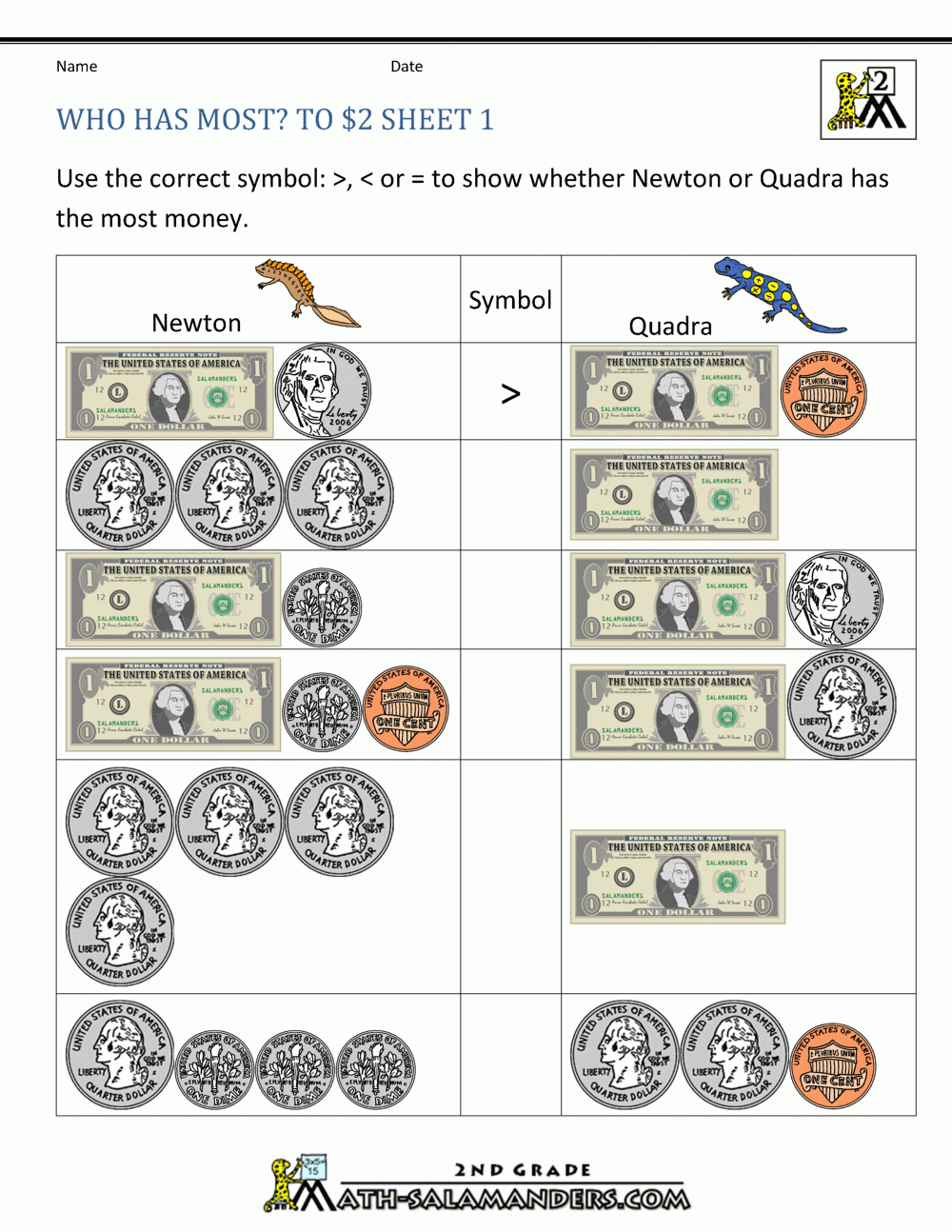
Introduction and Importance of space math worksheets kindergarten
Early exposure to mathematical concepts is fundamental in a child’s cognitive development. Worksheets centered on space themes provide an engaging and imaginative platform for introducing basic arithmetic to kindergarteners. These worksheets bridge the gap between abstract mathematical principles and a child’s natural curiosity about the universe. Learning becomes an adventure as children count stars, calculate the number of planets, or solve simple equations related to rockets and astronauts. This approach not only reinforces number recognition and counting skills but also sparks an interest in science and astronomy from an early age. Utilizing these resources at home, in the classroom, or during self-study sessions can significantly enhance a child’s problem-solving abilities and lay a strong foundation for future academic success. The integration of visually appealing graphics and relatable scenarios promotes active participation and makes learning an enjoyable experience.
💡 Educational Key Takeaways:
- Core Skill: Structured Space Math Worksheets Kindergarten focused on developing pencil grip, stroke control, and early literacy/math confidence.
- Target Scope: Suited for homeschoolers, preschool, kindergarten, and elementary learners.
- Best Recommendation: Practice 10–15 minutes daily with ergonomic writing tools to reinforce muscle memory without hand fatigue.
Structure and How It Works
The format of a well-designed set of these educational materials typically includes a variety of exercises tailored to suit the attention span of kindergarteners. Core Exercises: These often include counting objects like planets, stars, or rockets. Addition and subtraction problems are presented using visually appealing images, helping children associate numbers with real-world concepts. Pattern recognition activities encourage logical thinking, while number sequencing challenges reinforce understanding of numerical order. Interactive Elements: Many worksheets incorporate elements like coloring, drawing, and matching to maintain engagement. Completing simple mazes related to space themes can also improve problem-solving skills. The design is generally colorful and uncluttered, with clear instructions that are easy for young children to follow. The worksheets progressively increase in difficulty, allowing children to build upon their knowledge and skills gradually. Some may also feature simple word problems that introduce basic reading comprehension alongside mathematical calculations.
Tips and Complementary Resources
To maximize the benefits of these educational tools, a few strategies can be implemented. Daily Practice Tips: Short, regular sessions are more effective than infrequent, long ones. Aim for 15-20 minutes of focused activity each day. Positive reinforcement is crucial; praise efforts and celebrate successes to build confidence. Make learning interactive by using physical objects like blocks or toys to represent numbers. Pairing with Other Resources: Supplement the worksheets with related books, videos, or online games that explore space and mathematics. Educational apps can offer a fun and interactive way to reinforce the concepts learned. Consider creating a space-themed learning environment with posters, models, and books to further immerse the child in the subject matter. Collaborating with other parents or educators can provide additional ideas and support, ensuring a comprehensive learning experience.
Conclusion
Incorporating space-themed mathematical exercises into a kindergartener’s learning routine offers substantial benefits for their cognitive and academic development. These resources transform basic arithmetic into an exciting exploration of the cosmos, capturing a child’s imagination while building essential math skills. The combination of engaging visuals, interactive activities, and progressively challenging exercises ensures a comprehensive and enjoyable learning experience. By fostering a love for both mathematics and science, it sets the stage for future academic success and encourages a lifelong curiosity about the world around them. Parents and educators are encouraged to integrate this approach into their teaching methods, providing children with the tools and motivation they need to excel. Beyond the specific materials discussed, there are numerous online resources and physical manipulatives that can complement and enhance the learning process. Embracing such resources opens up new avenues for learning and allows for personalized educational pathways.
Developmental Milestone & Activity Table
| Development Stage | Recommended Daily Duration | Primary Learning Objective |
|---|---|---|
| Preschool & Pre-K | 10 – 15 Minutes | Pencil grip development & basic pre-stroke lines |
| Kindergarten | 15 – 20 Minutes | Letter/number formation & spatial line awareness |
| Early Elementary (Grade 1–2) | 20 – 30 Minutes | Fluency, sentence construction & neatness |
Images References :
Discover more printable learning activities by visiting our full Fun and Seasonal Math Worksheets archive for teachers, homeschoolers, and parents.