Introduction and Importance of Activities Designed to Enhance Spatial Reasoning
Developing robust spatial reasoning skills is crucial for success in various academic disciplines and real-world applications. These skills, which encompass the ability to understand and manipulate shapes, forms, and spaces, are fundamental to subjects like mathematics, engineering, architecture, and even art. Utilizing focused activities designed to enhance these abilities can significantly improve a student’s problem-solving capabilities and overall cognitive development. These activities offer a structured approach to grasping concepts such as perspective, symmetry, and spatial relationships. Their incorporation into learning, whether at home, in a classroom, or through self-directed study, provides an engaging and effective method for strengthening a student’s aptitude for spatial understanding. By engaging with these resources, learners can build a solid foundation for future academic and professional pursuits that require strong visual-spatial intelligence. The structured nature supports a progressive learning curve, allowing individuals to gradually build confidence and proficiency.
💡 Educational Key Takeaways:
- Core Skill: Structured Spatial Sense Worksheets focused on developing pencil grip, stroke control, and early literacy/math confidence.
- Target Scope: Suited for homeschoolers, preschool, kindergarten, and elementary learners.
- Best Recommendation: Practice 10–15 minutes daily with ergonomic writing tools to reinforce muscle memory without hand fatigue.
Structure and How It Works
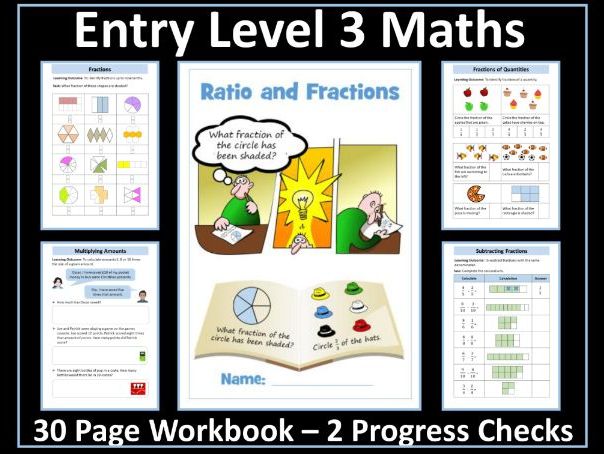
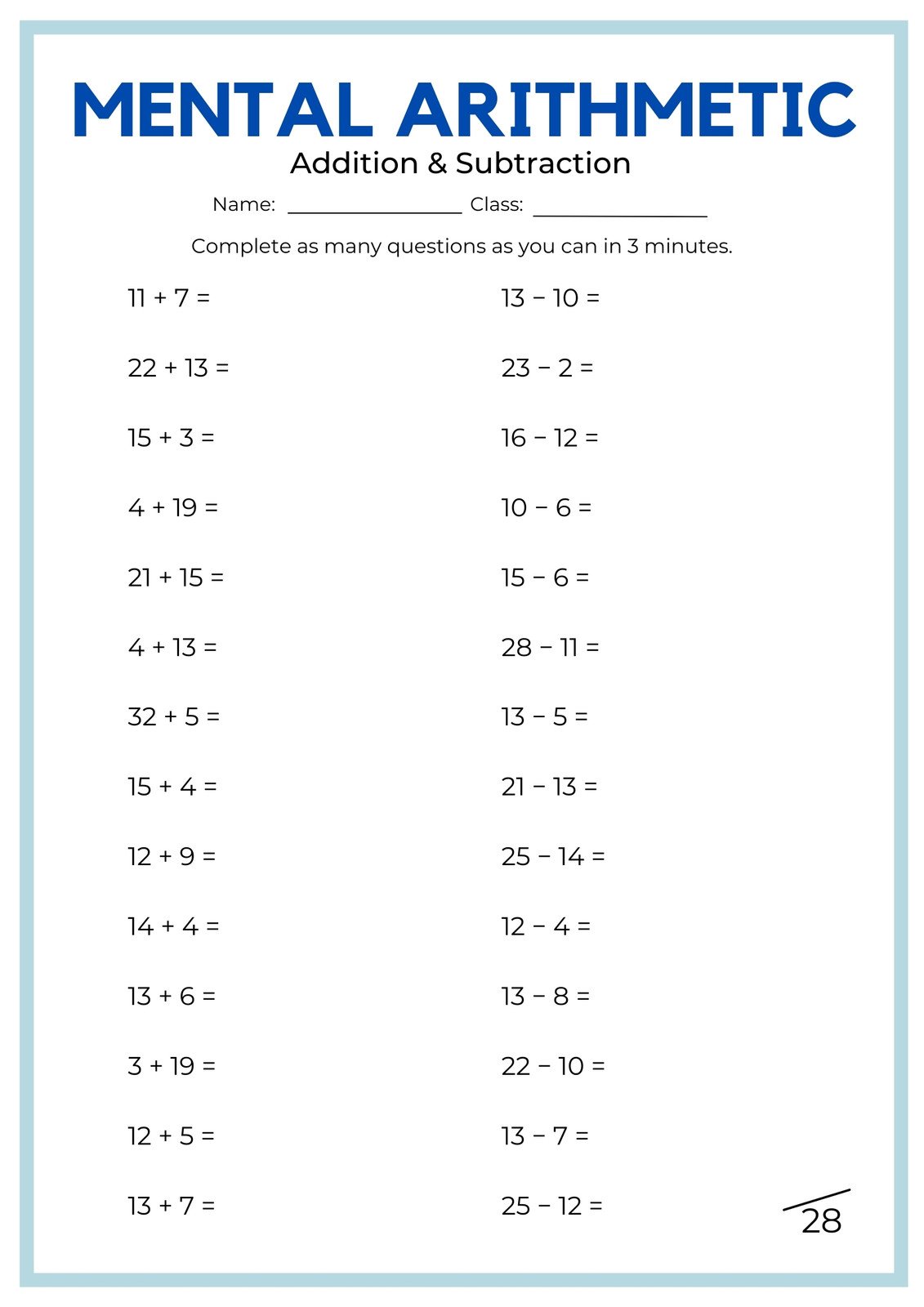
These learning tools are typically organized to progressively build understanding through a variety of exercises. Core Exercises: Often, these activities include shape recognition, pattern completion, and mental rotation tasks. These exercises are designed to challenge and expand a learner’s ability to visualize and manipulate objects in their mind. The structure often moves from simple to complex, ensuring a gradual learning curve that helps prevent frustration and reinforces comprehension. Interactive Elements: Many activities incorporate visual aids such as diagrams, illustrations, and even 3D models to provide a tangible representation of abstract concepts. Activities may also include instructions to draw, cut, and fold shapes, enhancing tactile learning. Assessment Components: Certain activities include quizzes or self-assessment sections to allow the learner to gauge their understanding and identify areas where they may need further practice. This structured format ensures that learners receive a comprehensive and targeted educational experience. Related guide: Printable Kindergarten Math Worksheet.
Tips and Complementary Resources
To maximize the effectiveness of these learning resources, certain practices can be adopted. Daily Practice Tips: Regular, short sessions are often more effective than infrequent, longer ones. Consistency helps reinforce learned concepts and promotes retention. Focus on understanding the underlying principles rather than simply memorizing answers. Encourage exploration and experimentation, as hands-on interaction reinforces understanding. Pairing with Other Resources: These activities can be effectively combined with other learning tools such as online simulations, physical manipulatives (e.g., building blocks, puzzles), and real-world problem-solving scenarios. Integrating different approaches can provide a more holistic and engaging learning experience. Supplemental readings on related topics can also deepen understanding and provide context. Creating a supportive and encouraging learning environment is essential for fostering a positive attitude and promoting consistent effort.
Conclusion
In summary, these focused activities are invaluable for nurturing spatial reasoning skills, leading to improved academic performance, problem-solving capabilities, and overall cognitive development. These resources offer a structured and engaging way to develop proficiency in manipulating shapes, understanding spatial relationships, and mastering concepts fundamental to various disciplines. By incorporating these activities into a learning routine, students can build a strong foundation for future success in areas requiring visual-spatial intelligence. Their use can transform abstract concepts into tangible and understandable components, making learning more effective and enjoyable. Encourage the consistent use of these activities, and observe the progressive development of spatial reasoning skills. Consider exploring related resources, such as online simulations and puzzles, to complement the learning process and provide a well-rounded educational experience. With dedication and consistent practice, mastering spatial reasoning is achievable and will yield significant benefits across numerous aspects of life.
Developmental Milestone & Activity Table
| Development Stage | Recommended Daily Duration | Primary Learning Objective |
|---|---|---|
| Preschool & Pre-K | 10 – 15 Minutes | Pencil grip development & basic pre-stroke lines |
| Kindergarten | 15 – 20 Minutes | Letter/number formation & spatial line awareness |
| Early Elementary (Grade 1–2) | 20 – 30 Minutes | Fluency, sentence construction & neatness |
Images References :
Discover more printable learning activities by visiting our full Early Math Skills Worksheets archive for teachers, homeschoolers, and parents.