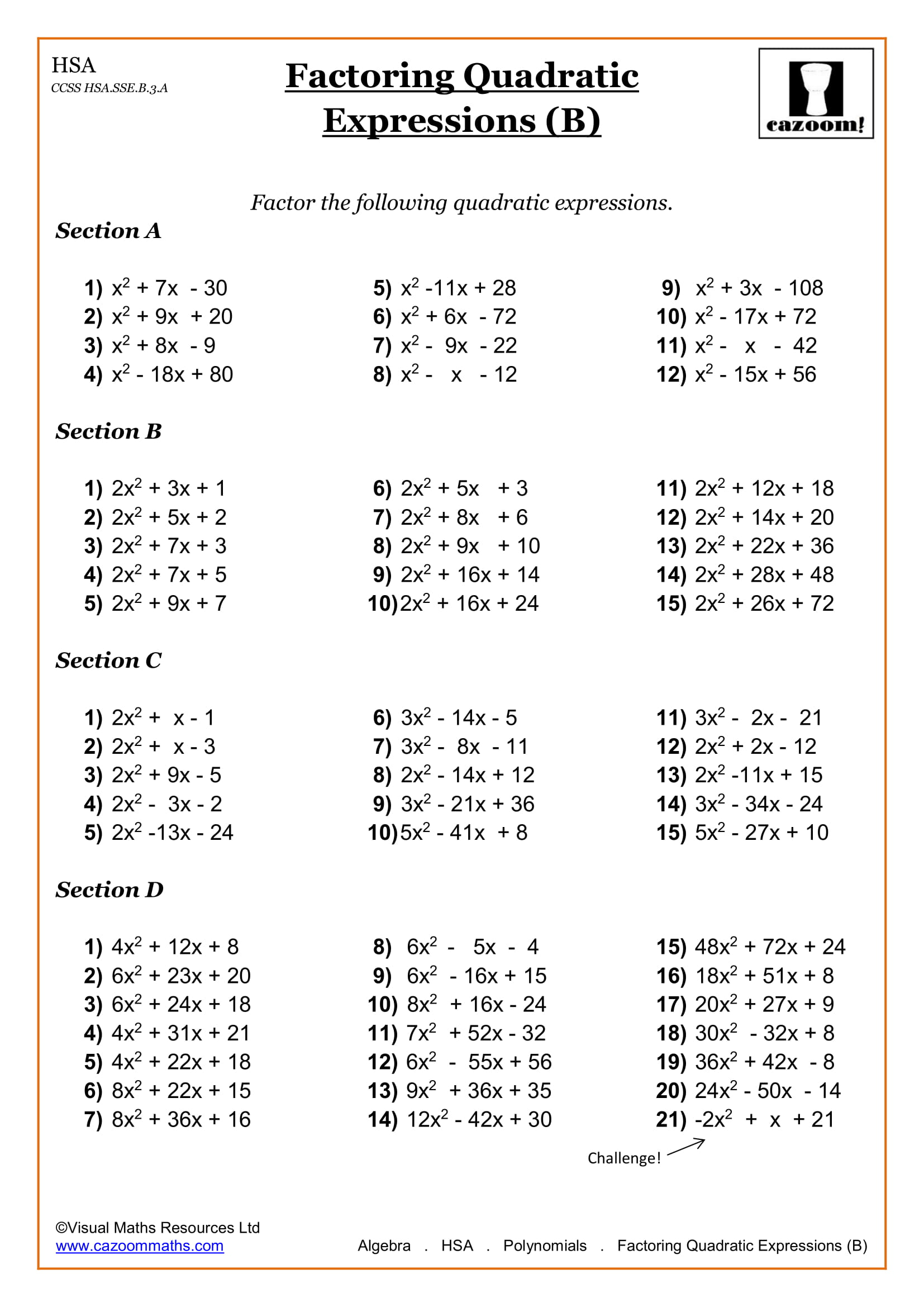
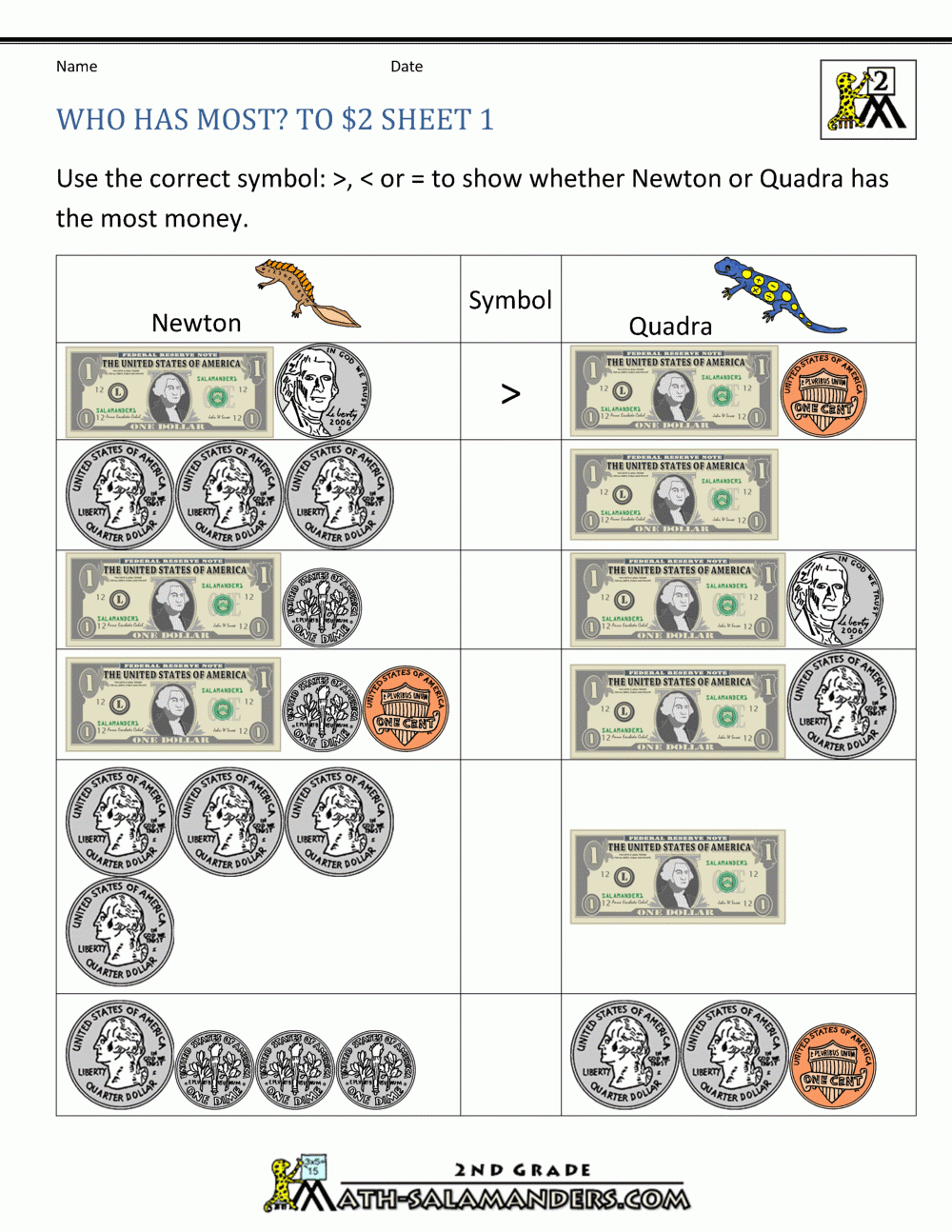
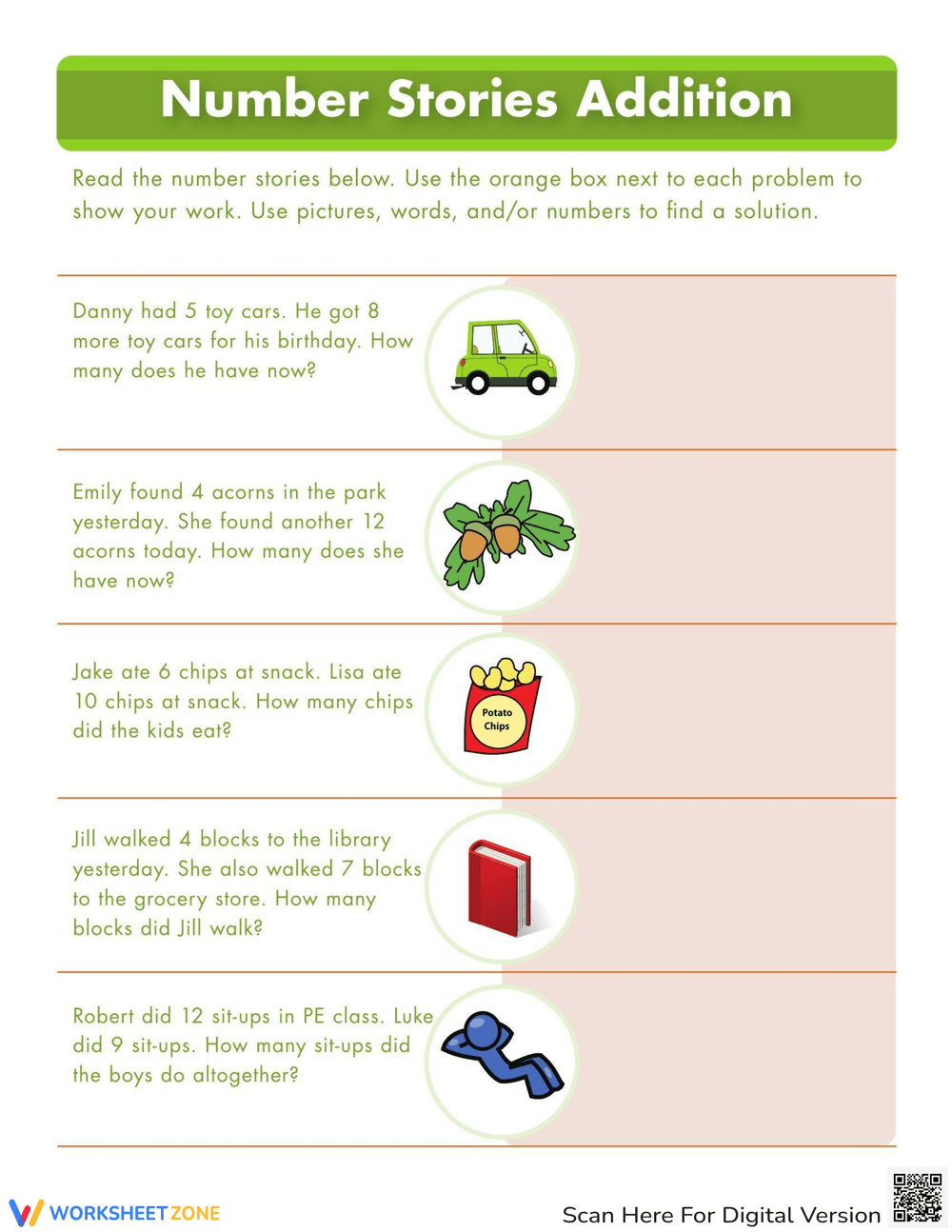
Introduction and Importance of thanksgiving math puzzles
Engaging students in mathematical concepts can often be achieved through the integration of seasonal themes. A Thanksgiving-themed mathematical activity provides an opportunity to reinforce fundamental arithmetic skills while capitalizing on the festive spirit. This approach can be particularly effective in elementary and middle school settings, where students are still developing a foundational understanding of operations such as addition, subtraction, multiplication, and division. Incorporating themes relatable to children, such as food, family, and holiday traditions, can significantly increase engagement and motivation. Furthermore, activities of this kind allow for the practical application of learned concepts to real-world scenarios, enhancing understanding and retention. They also help to cultivate critical thinking and problem-solving abilities, as students must apply logical reasoning to reach the correct solution within the context of a holiday-themed challenge. This approach also promotes a positive attitude towards mathematics, viewing it as an enjoyable and accessible subject rather than a source of anxiety or frustration.
💡 Educational Key Takeaways:
- Core Skill: Structured Thanksgiving Math Puzzles focused on developing pencil grip, stroke control, and early literacy/math confidence.
- Target Scope: Suited for homeschoolers, preschool, kindergarten, and elementary learners.
- Best Recommendation: Practice 10–15 minutes daily with ergonomic writing tools to reinforce muscle memory without hand fatigue.
Structure and How It Works
A typical Thanksgiving math puzzle often features a variety of problem types designed to test different mathematical skills. The structure is usually organized around a theme, like preparing a Thanksgiving feast or calculating travel distances for visiting family. Core Exercises: These might involve word problems centered on calculating the cost of ingredients for a pumpkin pie, dividing quantities of food fairly among guests, or determining cooking times based on the weight of a turkey. Equations may be presented using addition, subtraction, multiplication or division, and may incorporate fractions, percentages, or decimals depending on the targeted grade level. Interactive Elements: The activity might also include a maze where students must solve problems correctly to navigate a path. A Thanksgiving-themed color-by-number activity can be structured in a similar fashion, where correct answers correspond to specific colors. Logic puzzles based on Thanksgiving scenarios are common; for example, figuring out the seating arrangement for a holiday dinner based on a set of clues. The layout is generally clean and visually appealing, with clear instructions for each exercise to ensure ease of use. The level of difficulty is often varied to cater to a range of mathematical abilities. Related guide: Odd One Out Maths.
Tips and Complementary Resources
To maximize the benefits, it’s advantageous to integrate the activity strategically. Daily Practice Tips: Instead of completing the entire activity at once, it can be broken down into smaller, manageable segments that can be tackled daily. This approach helps prevent cognitive overload and allows for more effective retention of the concepts. It is also important to provide guidance and support, particularly for students who may be struggling. Encouraging students to explain their thought processes aloud can help identify areas of difficulty. Pairing with Other Resources: Supplement this type of puzzle with other relevant educational materials, such as Thanksgiving-themed books or online resources that explore the history and traditions of the holiday. Real-world applications, such as planning a mock Thanksgiving meal and calculating the budget, can also reinforce mathematical skills. Consider offering opportunities for collaborative problem-solving, allowing students to work together to tackle the challenges presented by the activities.
Conclusion
Thanksgiving-themed mathematical challenges provides a valuable means of reinforcing and applying mathematical skills. By integrating the festive theme into the learning process, students are more likely to engage with the material and develop a positive attitude toward the subject. These kinds of activities serve as a powerful tool for educators and parents seeking to make math both enjoyable and educational during the holiday season. It offers an engaging way to practice a variety of concepts from arithmetic to problem-solving. By utilizing the tips outlined and pairing this activity with other complementary resources, children can make the most of this fun and educational opportunity. Related materials might include Thanksgiving-themed reading comprehension passages with mathematical elements or interactive online games that reinforce arithmetic skills. Immediate integration of this resource into a curriculum or home learning plan is encouraged to capitalize on the heightened engagement surrounding the holiday season.
Developmental Milestone & Activity Table
| Development Stage | Recommended Daily Duration | Primary Learning Objective |
|---|---|---|
| Preschool & Pre-K | 10 – 15 Minutes | Pencil grip development & basic pre-stroke lines |
| Kindergarten | 15 – 20 Minutes | Letter/number formation & spatial line awareness |
| Early Elementary (Grade 1–2) | 20 – 30 Minutes | Fluency, sentence construction & neatness |
Images References :
Discover more printable learning activities by visiting our full Fun and Seasonal Math Worksheets archive for teachers, homeschoolers, and parents.