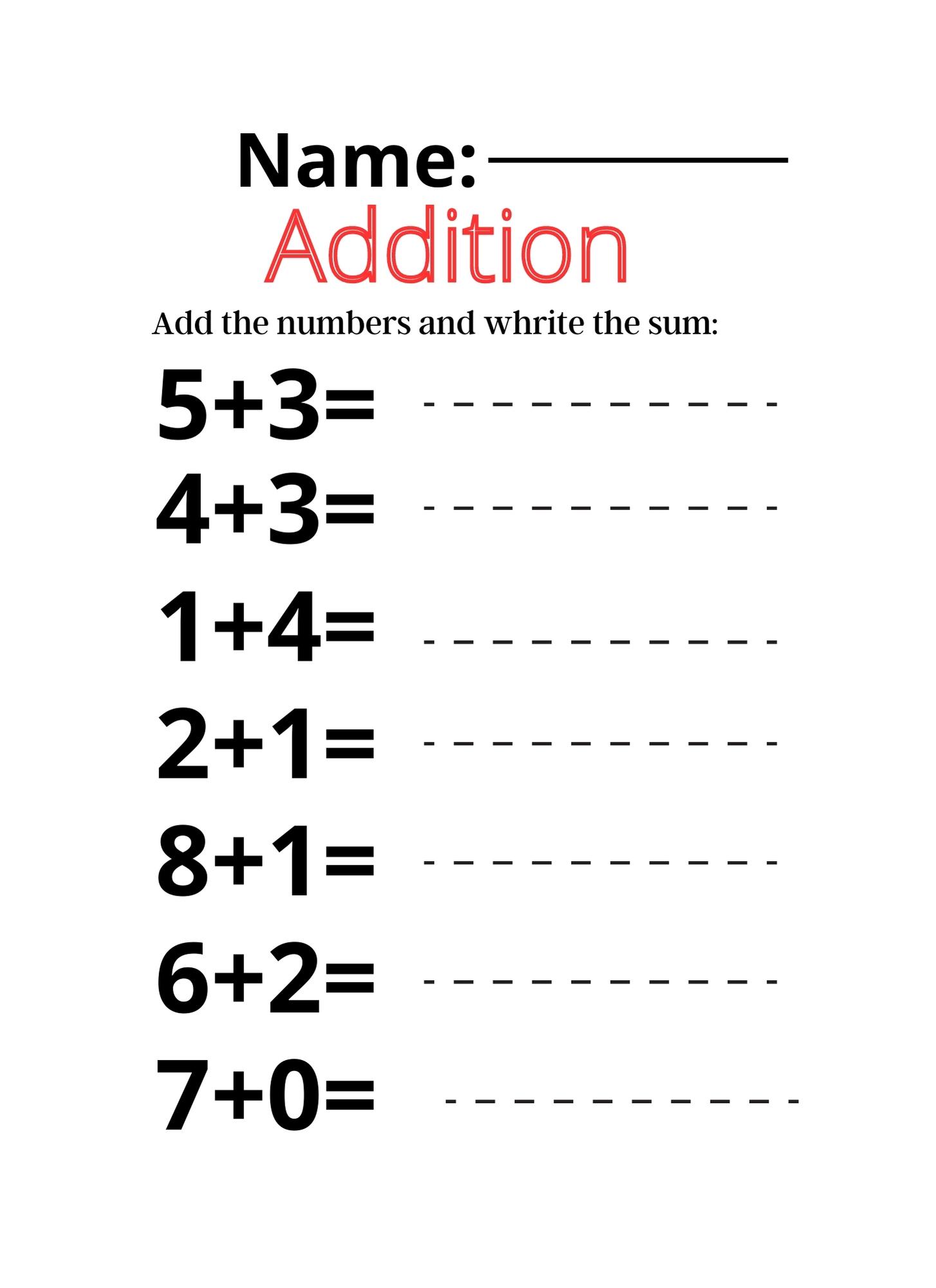
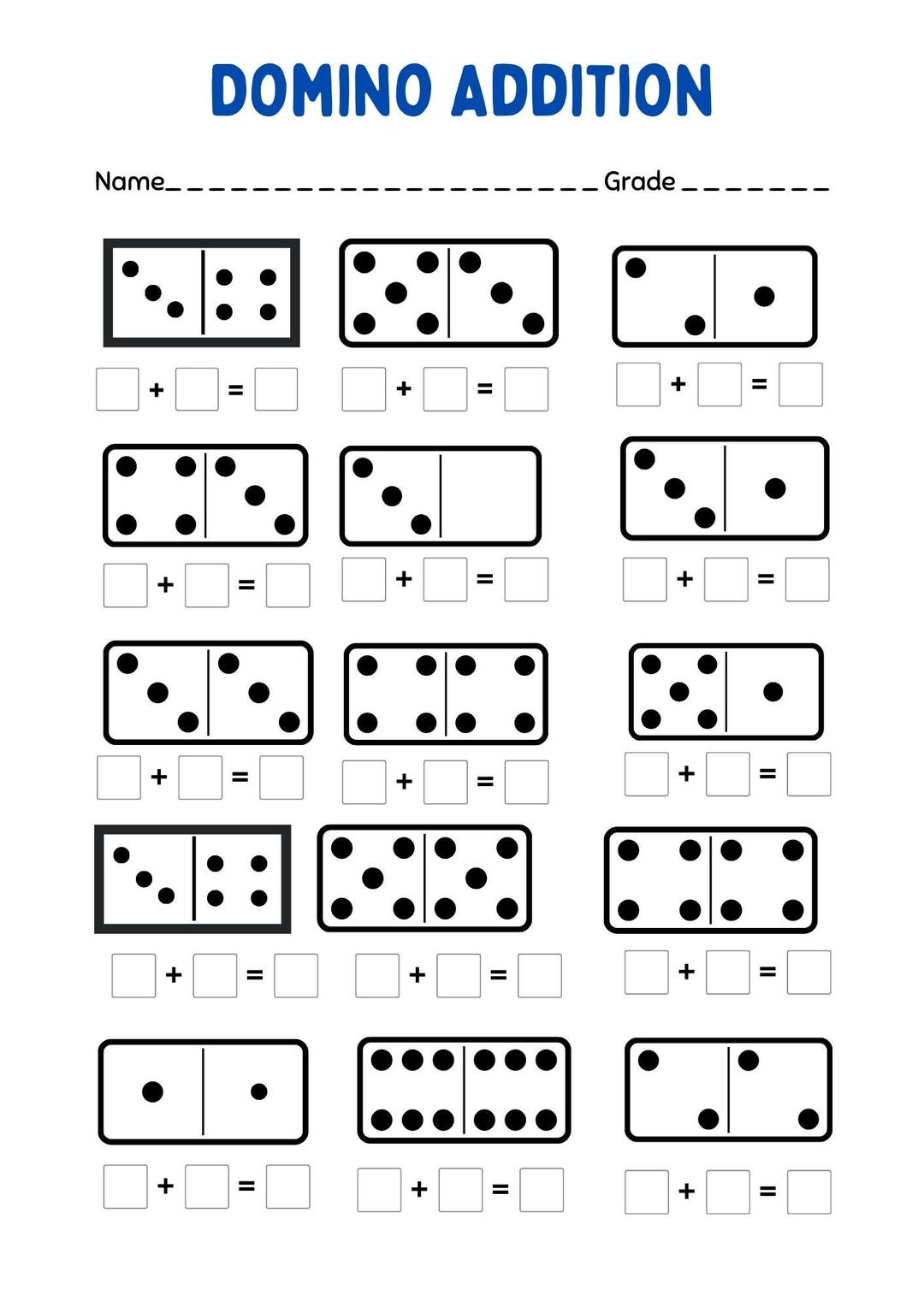
Introduction and Importance of Winter Subtraction Activities for Kindergarten
Introducing young learners to the concept of subtraction through engaging and seasonally relevant activities can significantly enhance their mathematical understanding. Winter-themed subtraction exercises provide a fun and relatable context for children to grasp fundamental mathematical principles. These activities help develop essential problem-solving skills, critical thinking abilities, and number sense, laying a solid foundation for future mathematical concepts. By associating subtraction with familiar winter elements like snowflakes, snowmen, and mittens, the learning process becomes less intimidating and more enjoyable, fostering a positive attitude towards mathematics from an early age. Furthermore, these exercises can be easily incorporated into both home and classroom settings, offering flexibility and convenience for parents and educators alike. This method encourages active participation and reinforces learning through visual and tactile engagement. Regular practice with these materials can lead to improved confidence and proficiency in basic subtraction, ultimately contributing to academic success.
💡 Educational Key Takeaways:
- Core Skill: Structured Winter Subtraction Worksheets For Kindergarten focused on developing pencil grip, stroke control, and early literacy/math confidence.
- Target Scope: Suited for homeschoolers, preschool, kindergarten, and elementary learners.
- Best Recommendation: Practice 10–15 minutes daily with ergonomic writing tools to reinforce muscle memory without hand fatigue.
Structure and How It Works
A typical subtraction worksheet designed for kindergarten incorporates visual aids and simple numerical problems to facilitate understanding. Core Exercises: These usually begin with counting objects, such as snowballs or penguins, and then crossing out a certain number to represent the subtraction process. The exercises progress to simple number sentences, like 5 2 = ? using visually appealing graphics to maintain children’s interest. Interactive Elements: Many worksheets also include interactive elements such as matching exercises, where children connect a subtraction problem with its correct answer. Others might involve drawing lines to show the subtraction process or coloring a specific number of objects after subtracting. Worksheets frequently contain a variety of problem types, including horizontal and vertical subtraction, presented in a clear and uncluttered layout. The aim is to provide a gradual increase in difficulty, ensuring that children build confidence as they progress. Additionally, the integration of winter themes makes the learning experience engaging and memorable, enhancing retention and application of subtraction skills. The worksheets are carefully structured to reinforce the concept of “taking away” in a visually intuitive manner.
Tips and Complementary Resources
Effective use of subtraction activities involves several key strategies to maximize learning outcomes. Daily Practice Tips: Short, consistent practice sessions are more effective than infrequent, long sessions. Focus on understanding the concept rather than rushing through problems. Use concrete objects like counters or small toys to visually represent the subtraction process, making it more tangible for young learners. Pairing with Other Resources: Supplement the activities with storybooks that incorporate subtraction concepts or educational videos that explain subtraction in a child-friendly manner. Online games and interactive apps can also provide additional practice and reinforcement. Creating a positive and encouraging learning environment is crucial; celebrate effort and progress rather than focusing solely on correct answers. These resources can be used individually or in small groups to promote collaboration and peer learning. Integrating these worksheets with other learning tools and strategies can create a well-rounded and engaging math curriculum for kindergarteners.
Conclusion
The utilization of winter-themed subtraction activities offers a playful and effective method to introduce and reinforce foundational math skills in kindergarteners. These exercises provide a valuable opportunity to develop critical thinking, problem-solving abilities, and a positive attitude towards mathematics. By incorporating engaging visuals and interactive elements, these learning tools make subtraction less daunting and more enjoyable for young learners. The benefits extend beyond the classroom, as these skills are essential for everyday life and future academic success. Parents and educators are encouraged to incorporate these learning materials into their teaching strategies to cultivate a solid understanding of subtraction in children. Exploring related materials, such as addition activities or number recognition games, can further enhance the learning experience and provide a more comprehensive math education. By embracing this approach, educators can empower their students to succeed in mathematics and beyond.
Developmental Milestone & Activity Table
| Development Stage | Recommended Daily Duration | Primary Learning Objective |
|---|---|---|
| Preschool & Pre-K | 10 – 15 Minutes | Pencil grip development & basic pre-stroke lines |
| Kindergarten | 15 – 20 Minutes | Letter/number formation & spatial line awareness |
| Early Elementary (Grade 1–2) | 20 – 30 Minutes | Fluency, sentence construction & neatness |
Images References :
Discover more printable learning activities by visiting our full Fun and Seasonal Math Worksheets archive for teachers, homeschoolers, and parents.