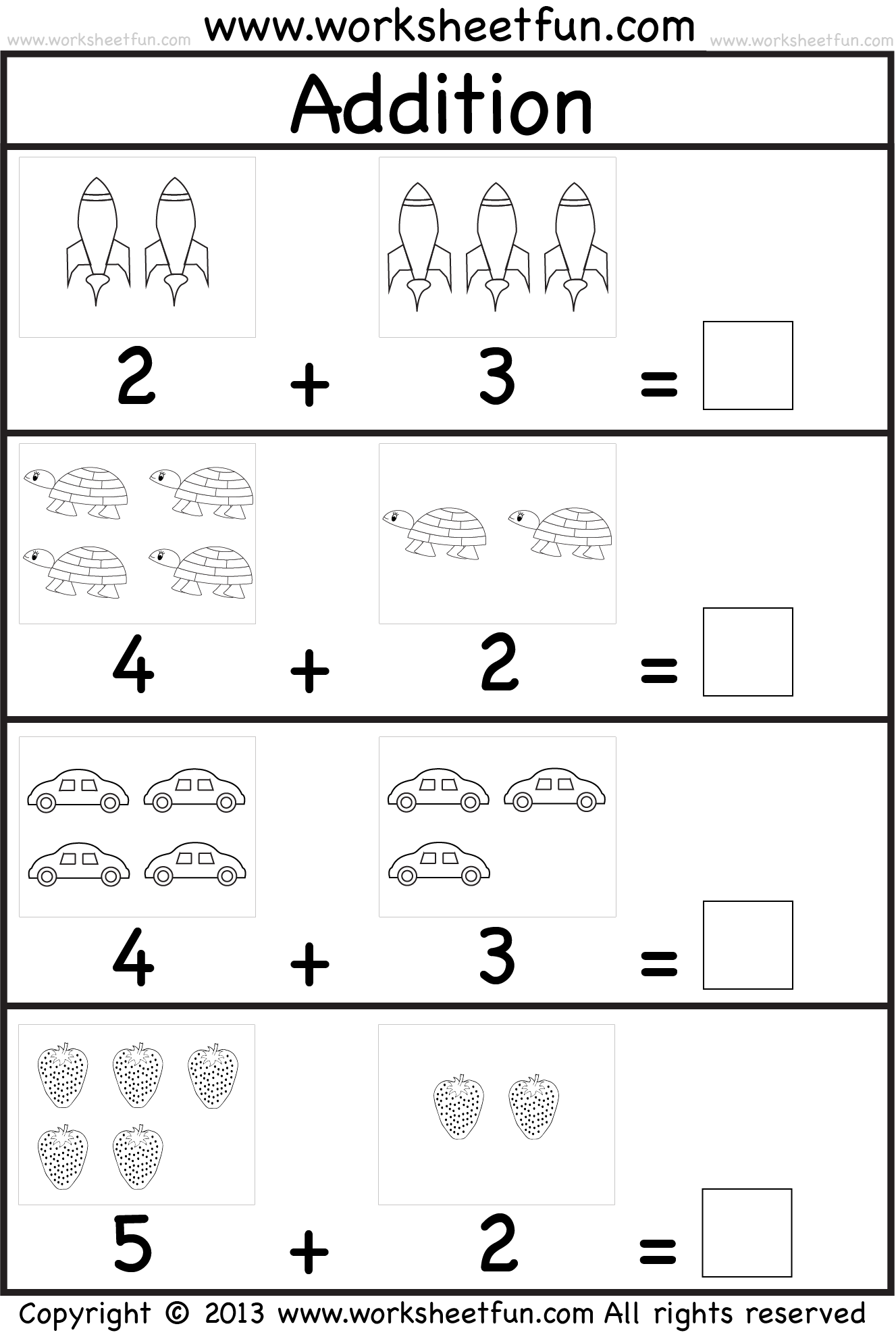
Introduction and Importance of Free Printable Kindergarten Number Worksheets
Early exposure to numerical concepts is foundational for mathematical proficiency. Resources designed for kindergarten-aged children play a pivotal role in building this crucial base. These materials offer a structured and accessible avenue for young learners to grasp basic number recognition, counting skills, and introductory arithmetic. Integrating such resources into a child’s learning journey, whether at home or in a formal classroom setting, can significantly enhance their readiness for more advanced mathematical concepts. Furthermore, these activities can foster a positive attitude towards learning and problem-solving. By engaging with numbers in a playful and interactive manner, children are more likely to develop confidence in their mathematical abilities, setting them up for future academic success. The readily available nature of these resources removes barriers to entry, making quality early math education accessible to a broader range of families and educators.
💡 Educational Key Takeaways:
- Core Skill: Structured Free Printable Kindergarten Number Worksheets focused on developing pencil grip, stroke control, and early literacy/math confidence.
- Target Scope: Suited for homeschoolers, preschool, kindergarten, and elementary learners.
- Best Recommendation: Practice 10–15 minutes daily with ergonomic writing tools to reinforce muscle memory without hand fatigue.
Structure and How It Works
These learning aids typically present a variety of activities designed to cater to different learning styles. The structure is often built around gradual progression, starting with simple number recognition and progressing to basic addition and subtraction. Core Exercises: Commonly include activities like number tracing, counting objects, and matching numbers to corresponding quantities. These exercises reinforce the fundamental understanding of what each numeral represents. Interactive Elements: Many resources incorporate visually appealing elements such as colorful illustrations and engaging themes to maintain childrens interest and motivation. Some may also integrate simple games or puzzles that reinforce number concepts in a fun and interactive way. Worksheets frequently segment learning by focusing on specific number ranges (e.g., numbers 1-5, then 6-10) to avoid overwhelming young learners. This structured approach enables children to build a solid foundation before advancing to more complex numerical concepts.
Tips and Complementary Resources
To maximize the effectiveness of these learning tools, consider implementing a few key strategies. Daily Practice Tips: Short, focused sessions are generally more effective than infrequent, lengthy ones. Aim for 15-20 minutes of dedicated practice each day. Make the learning experience interactive by using manipulatives like blocks or counters to visually represent numbers. Pairing with Other Resources: Enhance learning by complementing the worksheets with other resources, such as counting books, educational apps, or online games. Integrating real-world examples, such as counting toys or snacks, can further solidify understanding. It’s also beneficial to adapt the worksheets to the child’s individual pace and learning style. Celebrate small victories and offer positive reinforcement to build confidence and encourage continued engagement.
Conclusion
The benefits of integrating learning resources focused on early numerical skills into a childs educational experience are undeniable. These activities provide a structured, accessible, and engaging platform for building foundational mathematical skills, promoting number recognition, and fostering a positive attitude towards learning. By making these resources readily available, educators and parents can empower young learners to confidently navigate the world of mathematics. The ability to count, understand numerical relationships, and solve simple problems are crucial skills that will serve children well throughout their academic and personal lives. Explore the readily available resources to start building the mathematical foundations for our youngest learners today! Related resources such as online educational games and interactive counting apps offer additional avenues for reinforcing these essential skills.
Developmental Milestone & Activity Table
| Development Stage | Recommended Daily Duration | Primary Learning Objective |
|---|---|---|
| Preschool & Pre-K | 10 – 15 Minutes | Pencil grip development & basic pre-stroke lines |
| Kindergarten | 15 – 20 Minutes | Letter/number formation & spatial line awareness |
| Early Elementary (Grade 1–2) | 20 – 30 Minutes | Fluency, sentence construction & neatness |
Images References :
Discover more printable learning activities by visiting our full Number Worksheets archive for teachers, homeschoolers, and parents.