Introduction and Importance of Counting Practice for Early Learners
Establishing a solid foundation in numeracy is paramount for kindergarten children, laying the groundwork for future mathematical understanding. Carefully designed counting practice materials play a vital role in this crucial developmental stage. They offer structured opportunities to grasp fundamental concepts such as number recognition, sequencing, and one-to-one correspondence. These resources bridge the gap between abstract number concepts and concrete representations, fostering an intuitive understanding of quantity. At home, these materials can transform learning into a fun, interactive experience, complementing classroom instruction. In the classroom, they provide a versatile tool for individualized learning, catering to diverse learning styles and paces. For self-study, they offer a structured approach to independent learning, allowing children to build confidence and develop a positive attitude toward mathematics. The engagement with these activities encourages critical thinking and problem-solving skills, nurturing a child’s innate curiosity about the world of numbers. By mastering these basic skills, children are better prepared for more complex mathematical concepts in later grades, setting them on a path to academic success.
💡 Educational Key Takeaways:
- Core Skill: Structured Counting Sheets For Kindergarten focused on developing pencil grip, stroke control, and early literacy/math confidence.
- Target Scope: Suited for homeschoolers, preschool, kindergarten, and elementary learners.
- Best Recommendation: Practice 10–15 minutes daily with ergonomic writing tools to reinforce muscle memory without hand fatigue.
Structure and How It Works
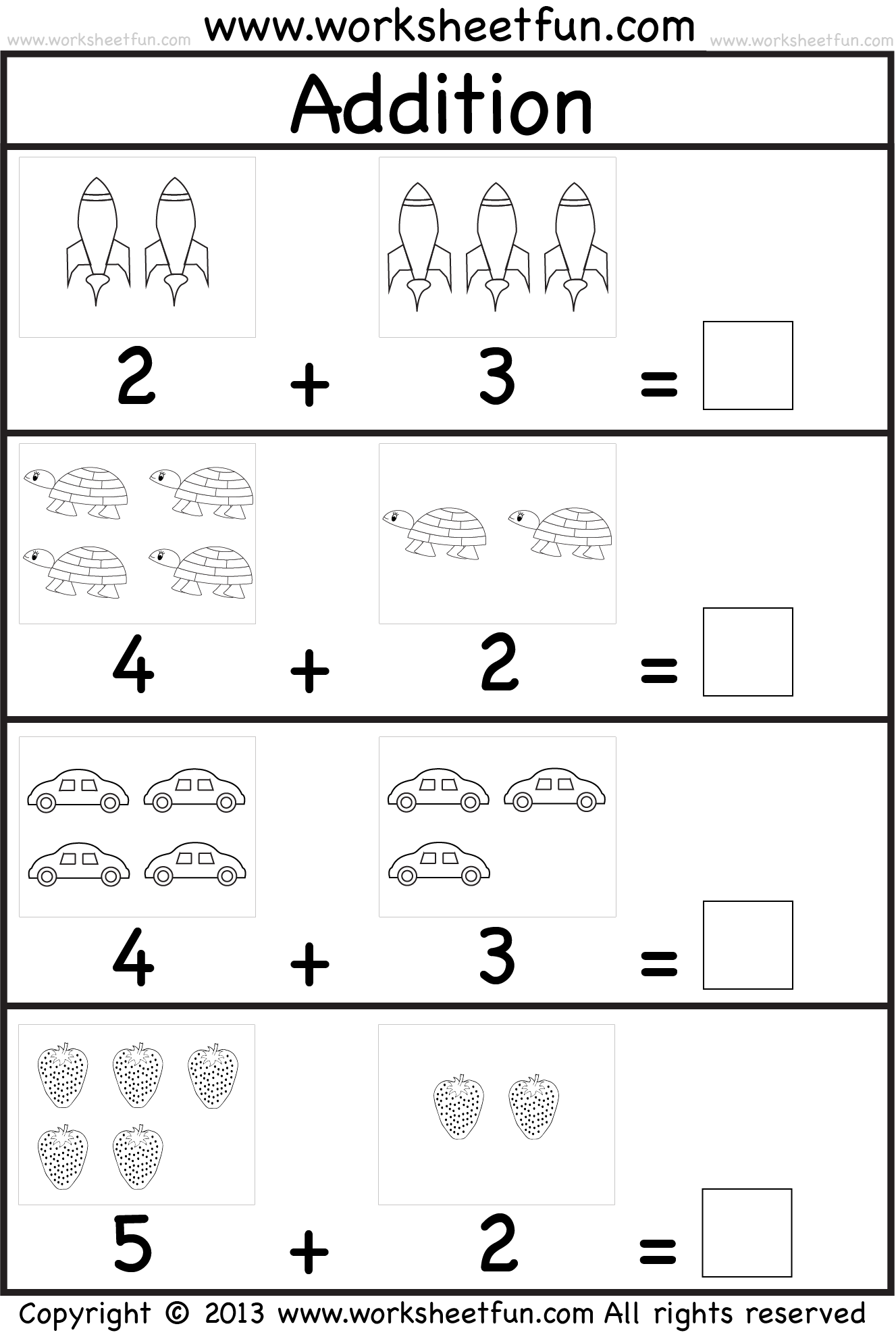
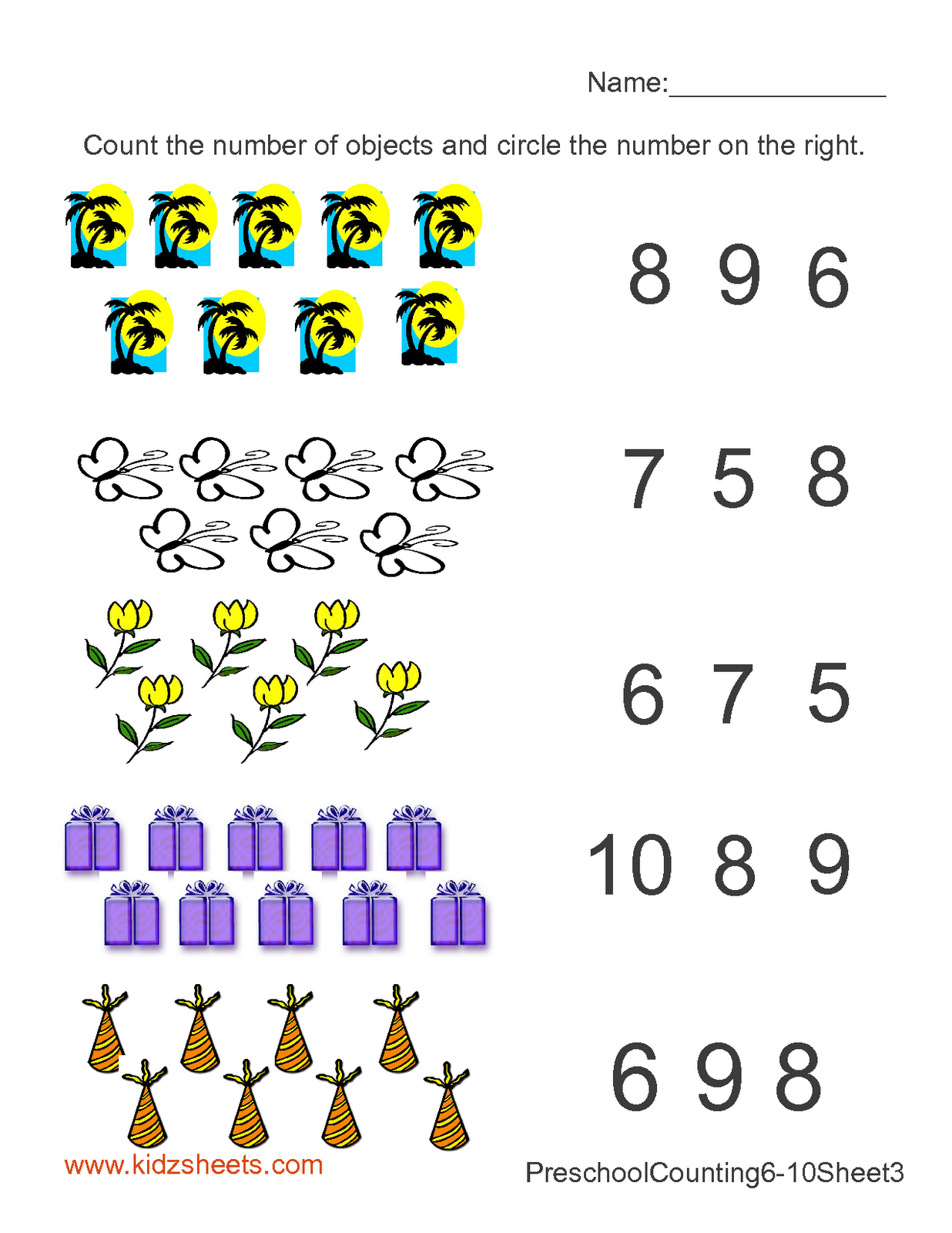
Well-designed counting activities for young learners typically feature a clear and intuitive layout, making them easy for children to navigate. These materials often incorporate vibrant visuals and engaging themes to capture children’s attention and maintain their interest. Core Exercises: These activities primarily focus on number recognition, often using pictures of objects or animals that children can count. They might include exercises where children match numbers to corresponding sets of objects, fill in missing numbers in a sequence, or circle the correct number representing a given quantity. Interactive Elements: Many of these educational tools incorporate interactive elements, such as coloring activities, drawing exercises, and simple games. For instance, children might be asked to color a specific number of objects or draw a line connecting matching numbers. These elements not only make learning more enjoyable but also reinforce number concepts through hands-on practice. Activities gradually increase in difficulty, starting with counting small numbers and progressing to larger numbers and more complex sequences. The focus remains on building a strong understanding of number sense through repeated exposure and practice. Related guide: Counting Activities For Kindergarten 1 20.
Tips and Complementary Resources
Maximizing the effectiveness of counting activities requires a consistent and engaging approach. Daily Practice Tips: Short, focused sessions are more effective than long, infrequent ones. Aim for 15-20 minutes of daily practice to reinforce number concepts and maintain children’s attention. Make learning fun by incorporating games, songs, and other interactive activities. Use manipulatives, such as blocks or counters, to help children visualize numbers and understand quantity. Pairing with Other Resources: Supplement counting practice with other resources, such as number books, counting rhymes, and online games. These resources provide additional exposure to number concepts and reinforce learning in different ways. Integrate counting into everyday activities, such as counting toys, snacks, or steps. Real-world applications help children see the relevance of math in their lives and make learning more meaningful. Encourage children to explain their thinking process, as this helps them solidify their understanding and identify any areas of confusion. Celebrate successes and provide positive reinforcement to build confidence and motivate continued learning.
Conclusion
Engaging with carefully designed counting activities provides young learners with a valuable opportunity to develop fundamental numeracy skills. The benefits extend beyond basic number recognition, fostering critical thinking, problem-solving abilities, and a positive attitude toward mathematics. By incorporating these resources into learning activities, whether at home, in the classroom, or through self-study, adults can effectively guide children toward a solid mathematical foundation. These activities, when used consistently and creatively, help children understand numbers and equip them for future math concepts. Encouraging regular practice and celebrating milestones can instill a lasting appreciation for mathematics. Exploring related materials, such as pattern recognition exercises or simple addition activities, can further enrich the learning experience and propel early learners toward mathematical proficiency. The journey into numeracy starts with the first step, and these simple, targeted activities offer a valuable and accessible entry point.
Visual Reference Gallery


Developmental Milestone & Activity Table
| Development Stage | Recommended Daily Duration | Primary Learning Objective |
|---|---|---|
| Preschool & Pre-K | 10 – 15 Minutes | Pencil grip development & basic pre-stroke lines |
| Kindergarten | 15 – 20 Minutes | Letter/number formation & spatial line awareness |
| Early Elementary (Grade 1–2) | 20 – 30 Minutes | Fluency, sentence construction & neatness |
Images References :
Discover more printable learning activities by visiting our full Number Worksheets archive for teachers, homeschoolers, and parents.