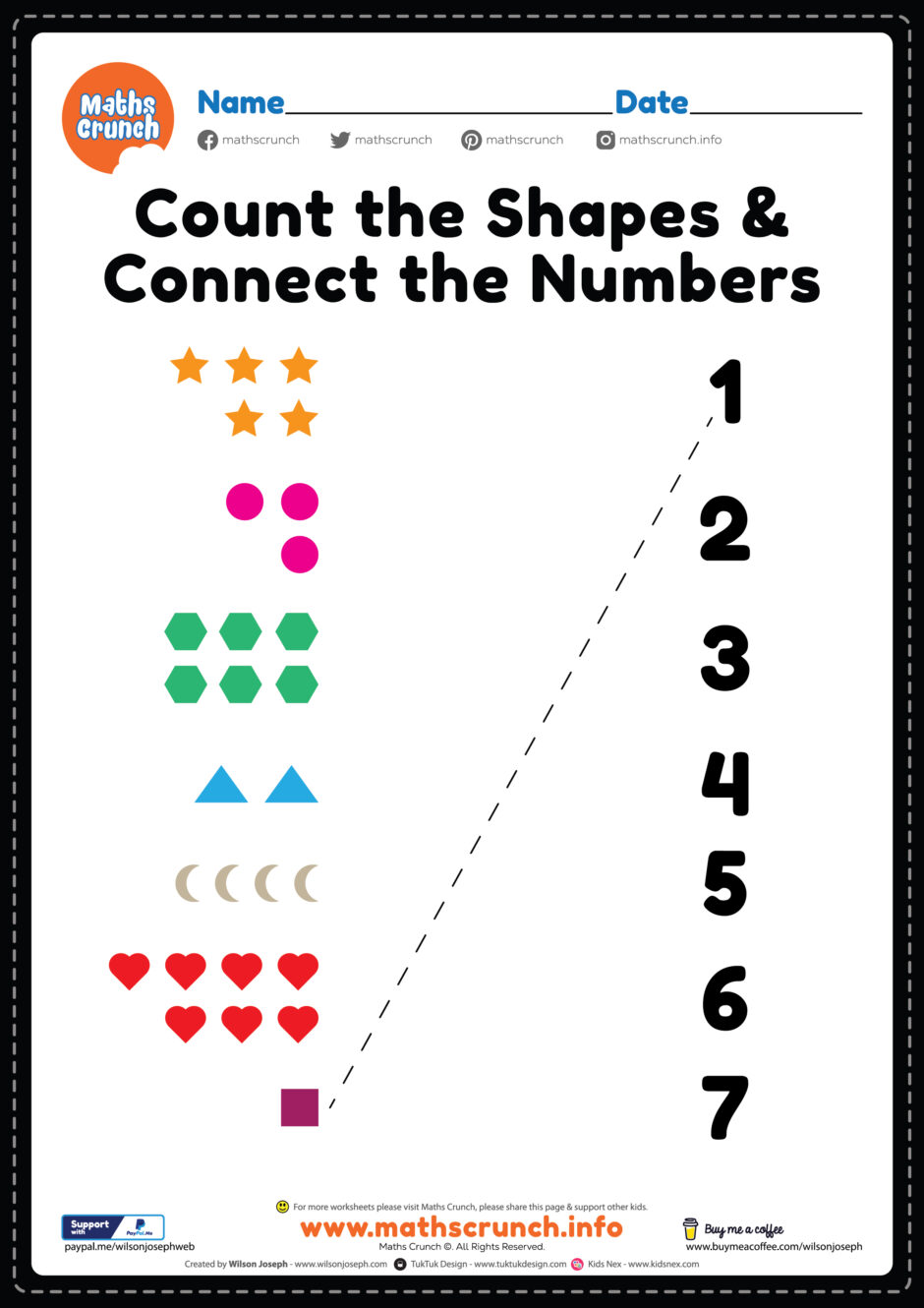
Introduction and Importance of Pre-Kindergarten Math Activities Worksheets
Introducing fundamental mathematical concepts to pre-kindergarten children lays a vital foundation for their future academic success. These early experiences shape their understanding of numbers, shapes, patterns, and spatial relationships, fostering critical thinking and problem-solving abilities. Worksheets designed for this age group offer a structured and engaging way to introduce these concepts in a playful manner. Consistent exposure to basic arithmetic through visually appealing and age-appropriate activities helps to build confidence and familiarity with mathematical principles. Learning at this stage can happen effectively at home or within the school environment, providing a flexible approach to skill development. These materials often act as a stepping stone, gradually increasing complexity to prepare children for more advanced mathematical tasks in subsequent grades. The use of these materials supports both structured and unstructured learning, allowing for adaptability to various teaching styles.
💡 Educational Key Takeaways:
- Core Skill: Structured Pre K Math Activities Worksheets focused on developing pencil grip, stroke control, and early literacy/math confidence.
- Target Scope: Suited for homeschoolers, preschool, kindergarten, and elementary learners.
- Best Recommendation: Practice 10–15 minutes daily with ergonomic writing tools to reinforce muscle memory without hand fatigue.
Structure and How It Works
The design of effective materials for pre-kindergarten children incorporates a variety of engaging elements to maintain their interest and facilitate learning. Typically, these are formatted with clear instructions and ample visual aids. Core Exercises: These often include counting objects, identifying shapes, simple addition and subtraction problems using pictures, and recognizing patterns. The layout is designed to be uncluttered, reducing distractions and ensuring the focus remains on the targeted skill. Interactive Elements: Many incorporate coloring activities, matching games, and connect-the-dots exercises to transform learning into an enjoyable experience. Worksheets might be divided into sections, each focusing on a specific mathematical concept, such as number recognition, sorting, or measuring. The sequential progression of activities allows children to build upon previously learned skills. They frequently include a section for review, reinforcing learned concepts and solidifying understanding. The materials aim to make learning accessible and fun.
Tips and Complementary Resources
Maximizing the benefit from educational materials involves implementing strategies to support the learning process. Daily Practice Tips: It is beneficial to incorporate short, regular sessions rather than infrequent, extended periods. Creating a positive and encouraging environment is crucial for building a child’s confidence and enthusiasm for learning. Providing praise and positive reinforcement for effort, rather than solely focusing on correct answers, fosters a growth mindset. Pairing with Other Resources: Utilizing physical objects such as blocks, beads, or counters alongside the sheets provides a tangible, hands-on learning experience. Incorporating related children’s books or educational videos can further enhance understanding and engagement. These resources serve as valuable supplementary tools for reinforcing concepts introduced on the sheets. This multi-sensory approach significantly contributes to deeper comprehension and retention.
Conclusion
The strategic use of these learning aids represents a valuable investment in a childs early education. The structured activities help to build a solid understanding of fundamental mathematical concepts, laying a strong groundwork for future academic endeavors. The engaging format of these materials promotes a positive attitude towards learning, fostering curiosity and a willingness to explore mathematical ideas. Regular engagement encourages skill development and prepares children for the challenges of primary school mathematics. Consider exploring related learning materials such as number flashcards, shape sorters, or interactive math games to supplement worksheet-based activities. By incorporating these resources into a child’s learning routine, caregivers can effectively support their mathematical development and instill a lifelong love of learning. The long-term benefits of introducing math early in a fun and engaging manner are substantial.
Developmental Milestone & Activity Table
| Development Stage | Recommended Daily Duration | Primary Learning Objective |
|---|---|---|
| Preschool & Pre-K | 10 – 15 Minutes | Pencil grip development & basic pre-stroke lines |
| Kindergarten | 15 – 20 Minutes | Letter/number formation & spatial line awareness |
| Early Elementary (Grade 1–2) | 20 – 30 Minutes | Fluency, sentence construction & neatness |
Images References :
Discover more printable learning activities by visiting our full Pre K Activity Worksheets archive for teachers, homeschoolers, and parents.