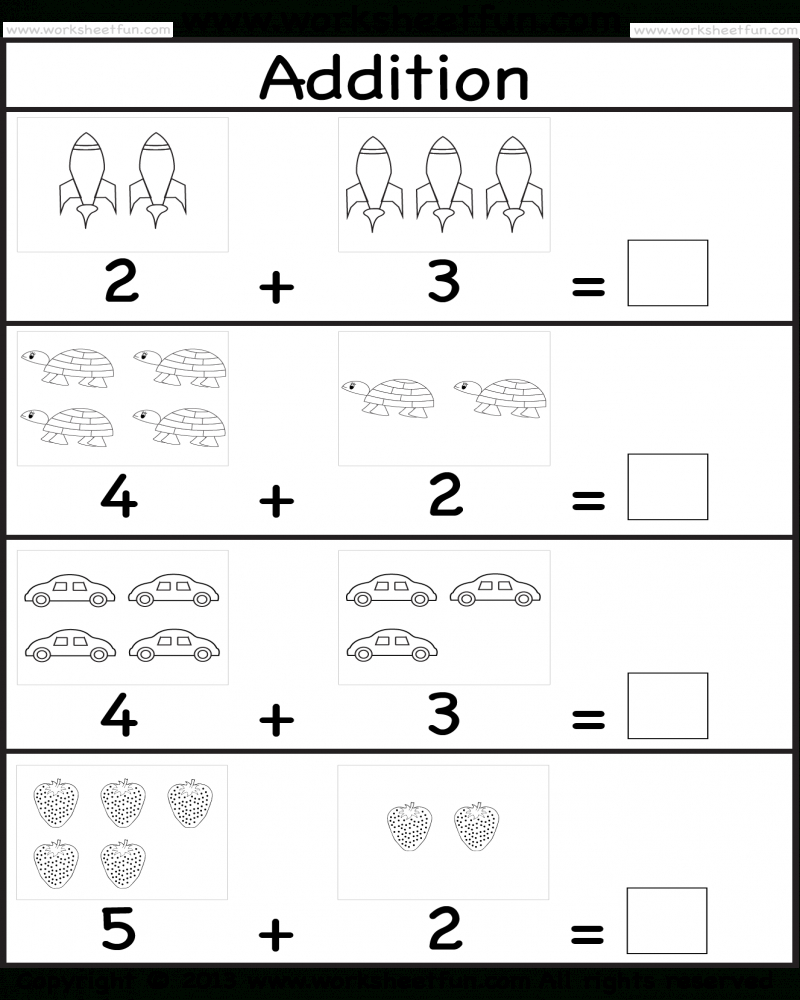
Introduction and Importance of Matching Numbers Worksheets for Kindergarten
Number recognition forms a foundational element in early childhood education. Activities designed to reinforce this skill are invaluable, providing opportunities for young learners to develop crucial pre-mathematical abilities. Worksheets that focus on associating identical numerals serve as an accessible and engaging tool, suitable for both classroom and home environments. These resources help children solidify their understanding of number identity, paving the way for more complex mathematical concepts later on. Early proficiency in number recognition contributes significantly to a child’s overall confidence and preparedness as they progress through their education. Such activities cultivate visual discrimination skills, which are not only essential in mathematics but also in reading and other academic areas. Moreover, using visual aids such as these fosters independence in learning, allowing children to work at their own pace and reinforce their understanding of fundamental numerical concepts.
💡 Educational Key Takeaways:
- Core Skill: Structured Matching Numbers Worksheets For Kindergarten focused on developing pencil grip, stroke control, and early literacy/math confidence.
- Target Scope: Suited for homeschoolers, preschool, kindergarten, and elementary learners.
- Best Recommendation: Practice 10–15 minutes daily with ergonomic writing tools to reinforce muscle memory without hand fatigue.
Structure and How It Works
These learning aids typically adopt a straightforward design to maximize ease of use for young children. Core Exercises: The central component usually involves columns of numbers; one column serves as a reference, and the task involves locating and marking the matching number from the second column. These activities may present numerals in various fonts and sizes, aiding children in recognizing numbers regardless of their stylistic presentation. Interactive Elements: Some variations incorporate visual cues like shapes or pictures alongside the numbers to maintain engagement and cater to different learning styles. The complexity can be adjusted to suit the child’s existing skill level, starting with smaller number ranges (1-5) and gradually increasing as proficiency develops. Furthermore, some versions incorporate gamified elements, turning the exercises into a fun and motivating challenge. Instructions are generally simple and concise, often relying on visual examples to ensure understanding, even for children who are not yet proficient readers. Related guide: Kindergarten Math Worksheets Matching Numbers.
Tips and Complementary Resources
To optimize the effectiveness of these educational tools, consider several practical strategies. Daily Practice Tips: Short, consistent sessions (10-15 minutes) tend to be more effective than longer, infrequent ones. Providing positive reinforcement and encouragement is crucial for maintaining motivation and building confidence. Celebrate small successes and focus on the learning process rather than solely on the outcome. Pairing with Other Resources: Supplement these activities with tangible objects such as blocks or counters to create a multi-sensory learning experience. Read aloud picture books that focus on counting and number recognition to further reinforce these concepts in a different context. Integrate number-related games and songs into daily routines to make learning an enjoyable and integral part of everyday life. Combining different learning approaches ensures a more comprehensive and engaging educational journey.
Conclusion
Activities centered on associating identical numerals serve as a highly effective method for nurturing fundamental mathematical skills in young children. The accessible nature and engaging format of these worksheets make them a valuable asset for parents, educators, and caregivers alike. By consistently engaging with such materials, children develop essential number recognition skills, visual discrimination abilities, and a positive attitude towards mathematics. Embracing these foundational skills early on lays a solid groundwork for future academic success. The benefits extend beyond mathematical proficiency, fostering cognitive development and enhancing overall learning readiness. These simple yet powerful activities offer a practical and enjoyable way to support a child’s early educational journey, ensuring they are well-prepared for the challenges and opportunities that lie ahead. Similar activities can include counting objects and associating quantity to number.
Developmental Milestone & Activity Table
| Development Stage | Recommended Daily Duration | Primary Learning Objective |
|---|---|---|
| Preschool & Pre-K | 10 – 15 Minutes | Pencil grip development & basic pre-stroke lines |
| Kindergarten | 15 – 20 Minutes | Letter/number formation & spatial line awareness |
| Early Elementary (Grade 1–2) | 20 – 30 Minutes | Fluency, sentence construction & neatness |
Images References :
Discover more printable learning activities by visiting our full Number Worksheets archive for teachers, homeschoolers, and parents.