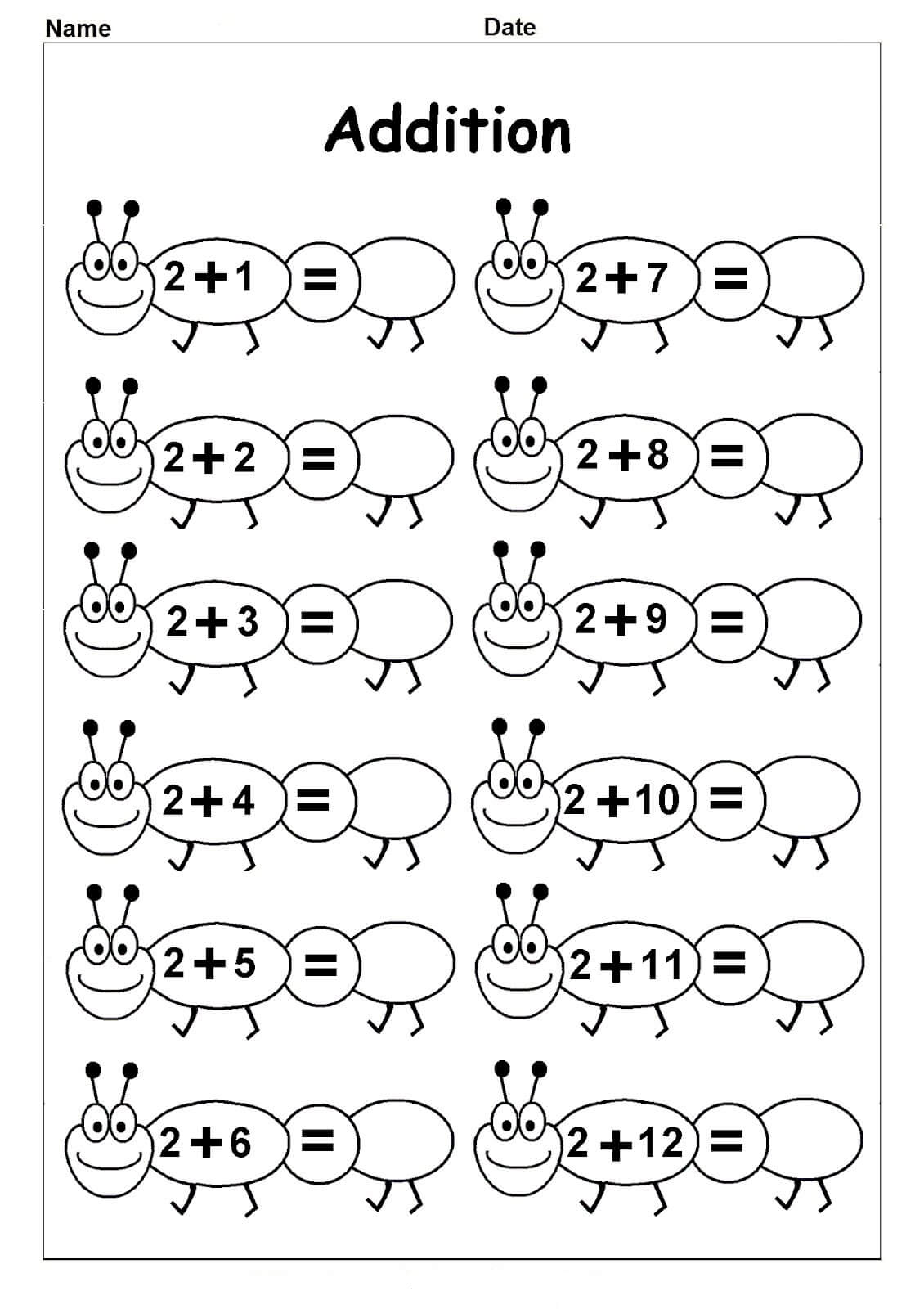
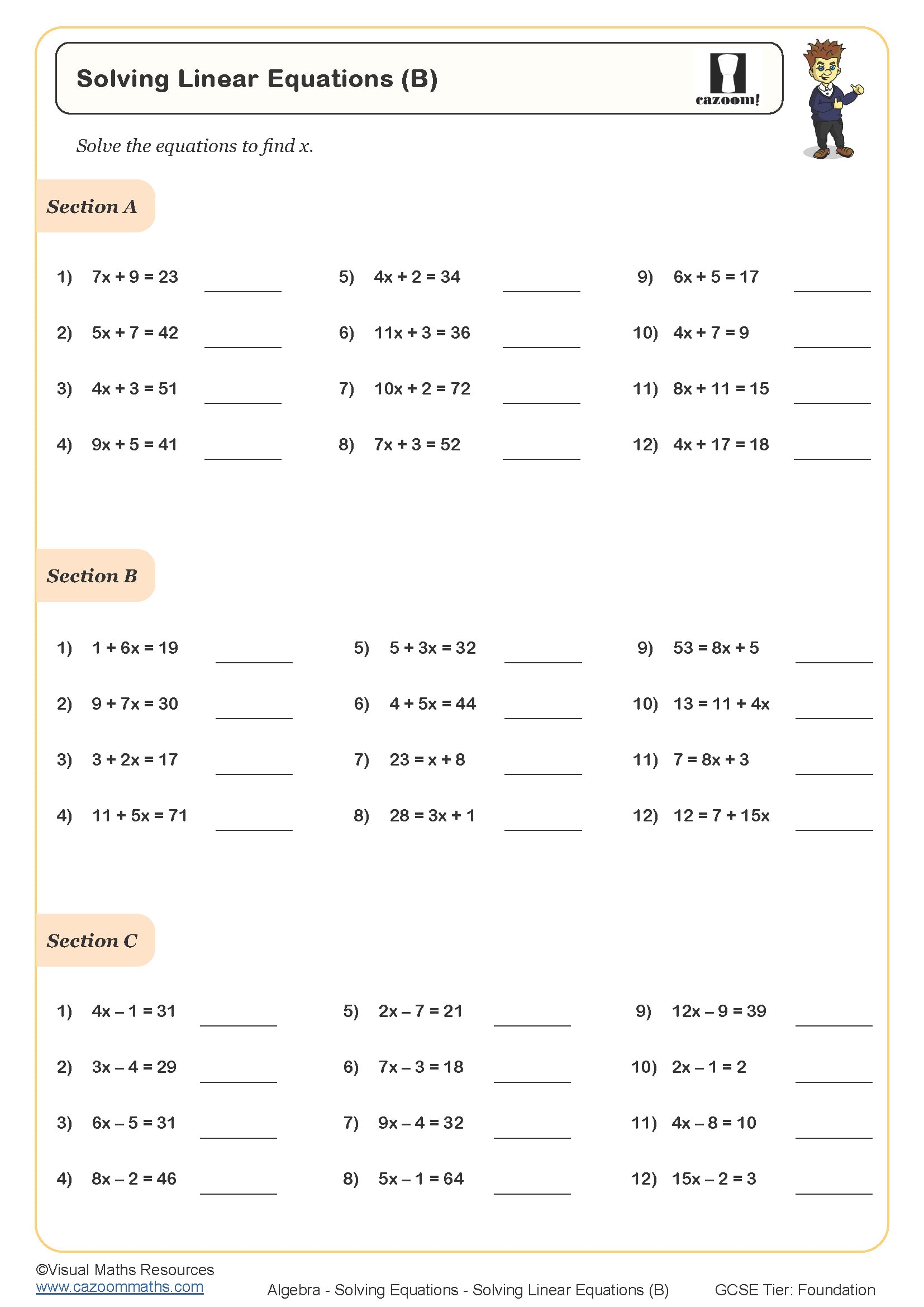
The journey through mathematical concepts often presents challenges, particularly when abstract ideas need to be grasped by developing minds. Engaging visual learning aids are instrumental in bridging the gap between abstract mathematical principles and concrete understanding. Educational resources that incorporate images and illustrations serve as a powerful tool, transforming complex numerical problems into accessible and relatable tasks. This approach is fundamental for building a strong foundational understanding in various mathematical domains, making the learning process more intuitive and enjoyable for individuals at different stages of their educational development. Explore more in our Math Worksheets category.
💡 Educational Key Takeaways:
- Core Skill: Structured Math Picture Worksheets focused on developing pencil grip, stroke control, and early literacy/math confidence.
- Target Scope: Suited for homeschoolers, preschool, kindergarten, and elementary learners.
- Best Recommendation: Practice 10–15 minutes daily with ergonomic writing tools to reinforce muscle memory without hand fatigue.
The benefits of utilizing these visually rich practice sheets are numerous and profound. Such materials significantly enhance comprehension by allowing learners to visualize quantities, operations, and patterns, thereby making abstract mathematical concepts tangible. They support the development of crucial skills such as number recognition, counting, basic arithmetic (addition, subtraction, multiplication, division), shape identification, and pattern recognition. Moreover, the integration of imagery promotes critical thinking, problem-solving abilities, and even creativity as learners interpret and interact with the visual information. These interactive resources also cater to diverse learning styles, ensuring that mathematical education is inclusive and effective for a wider audience, fostering engagement and reducing potential anxiety associated with mathematics. Related guide: Spring Math Worksheets For Kindergarten.
Typically, the structure of these educational documents is designed to be clear and progressive. Content often includes a variety of question types such as counting objects and writing the corresponding number, matching sets of items to numerical digits, completing visual patterns, solving simple arithmetic problems represented by groups of images, or identifying geometric shapes embedded within illustrations. More advanced versions might feature word problems where the scenario is depicted visually, requiring learners to extract relevant information from the picture to solve the problem. Each activity is carefully crafted to reinforce specific mathematical objectives through a clear, appealing, and easy-to-interpret visual format. Browse more guides on Cheap Worksheets.
To maximize the effectiveness of these image-based mathematical practices, a systematic approach is recommended. Begin by ensuring a clear understanding of the instructions for each section. Encourage careful observation of all visual elements provided in a problem before attempting to solve it. When working on counting tasks, it is beneficial to point to each item as it is counted. For operations, visualize the combining or separating of groups represented by the pictures. Take time to work through examples, verbalizing the thought process to solidify understanding. After completing an activity, review the answers, and if errors occur, re-examine the visual and the steps taken to identify where adjustments are needed, fostering a growth mindset towards learning.
Further enriching the learning experience with visual mathematical exercises involves incorporating supplementary activities. Consider pairing these practice sheets with physical manipulatives to offer a multi-sensory approach to learning, allowing for tactile exploration of concepts presented visually. Encourage learners to draw their own mathematical problems, using pictures to represent numbers and operations, which deepens comprehension and fosters creativity. Exploring related digital applications or interactive online games that also use visual elements can provide dynamic reinforcement. Consistency in practice is key; regular engagement with these types of resources helps to solidify mathematical understanding and build confidence over time, paving the way for mastering more complex topics.
In conclusion, the strategic use of visually supported mathematical activities offers an indispensable pathway to fostering robust mathematical understanding and enthusiasm. These carefully designed resources simplify complex concepts, promote essential skill development, and engage learners through their appealing and accessible format. Individuals are strongly encouraged to explore and integrate these invaluable educational tools into their learning routine. Discovering the full spectrum of available visual mathematics resources will undoubtedly enrich the educational journey and cultivate a lasting appreciation for the subject.
Developmental Milestone & Activity Table
| Development Stage | Recommended Daily Duration | Primary Learning Objective |
|---|---|---|
| Preschool & Pre-K | 10 – 15 Minutes | Pencil grip development & basic pre-stroke lines |
| Kindergarten | 15 – 20 Minutes | Letter/number formation & spatial line awareness |
| Early Elementary (Grade 1–2) | 20 – 30 Minutes | Fluency, sentence construction & neatness |