Introduction and Importance of Early Math Practice
Early childhood is a critical period for cognitive development, and introducing fundamental math concepts during this time lays a strong foundation for future learning. Resources designed to engage young learners in mathematical thinking are invaluable tools for parents and educators alike. Such resources foster number recognition, counting skills, shape identification, and pattern recognition all essential components of mathematical literacy. Engaging with thoughtfully designed activities can boost a childs confidence in their abilities and spark a genuine interest in mathematics. Furthermore, early exposure to these concepts can alleviate math anxiety later in life. It provides structured opportunities to develop problem-solving skills and logical reasoning from a young age. The benefits extend beyond academic achievement, contributing to improved critical thinking and decision-making abilities that are applicable in various aspects of life. These activities often bridge the gap between abstract mathematical ideas and concrete, tangible experiences, making learning more accessible and enjoyable for young children. Incorporating these tools into a child’s learning environment is a proactive step toward nurturing their intellectual growth and preparing them for future academic success.
💡 Educational Key Takeaways:
- Core Skill: Structured Pre K Math Worksheets Pdf focused on developing pencil grip, stroke control, and early literacy/math confidence.
- Target Scope: Suited for homeschoolers, preschool, kindergarten, and elementary learners.
- Best Recommendation: Practice 10–15 minutes daily with ergonomic writing tools to reinforce muscle memory without hand fatigue.
Structure and How It Works
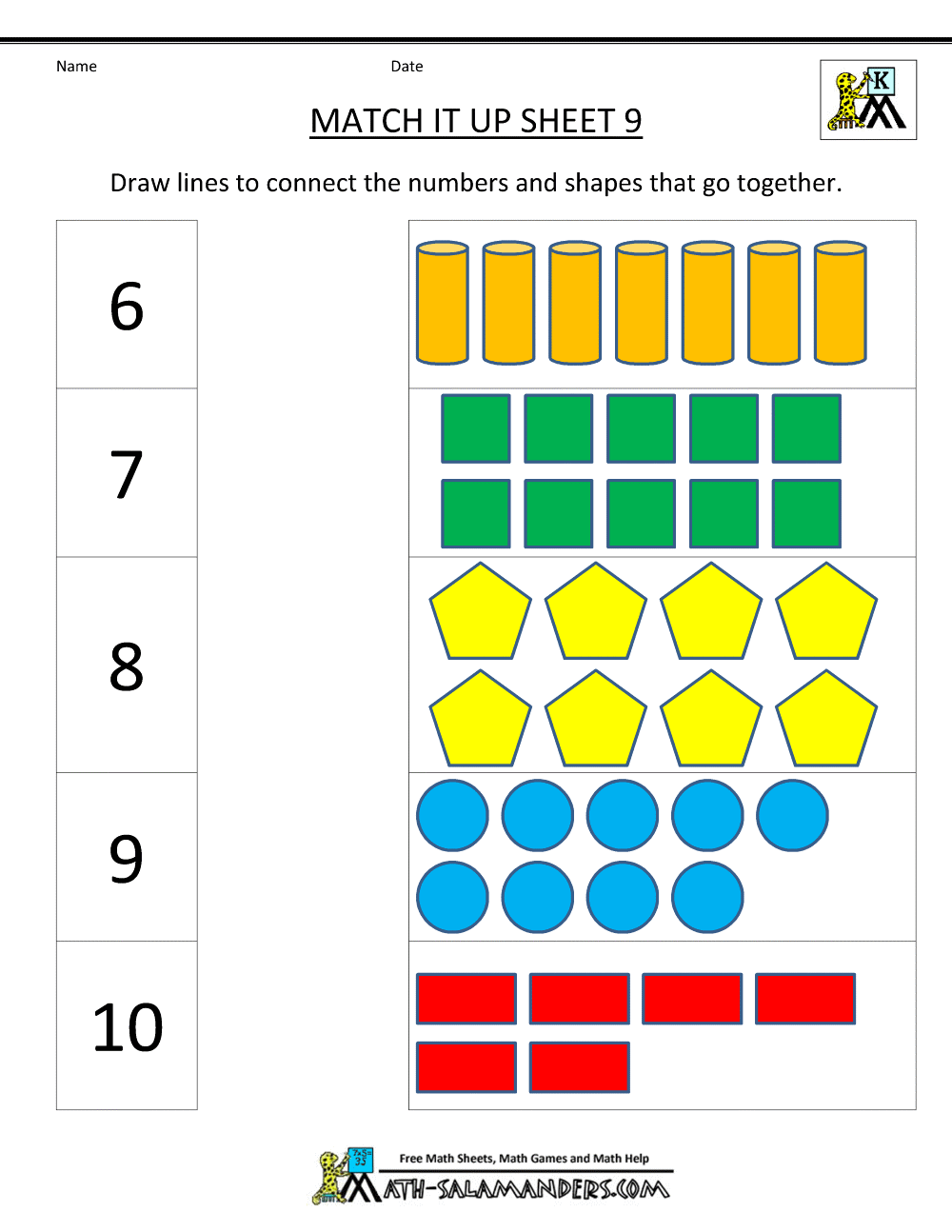
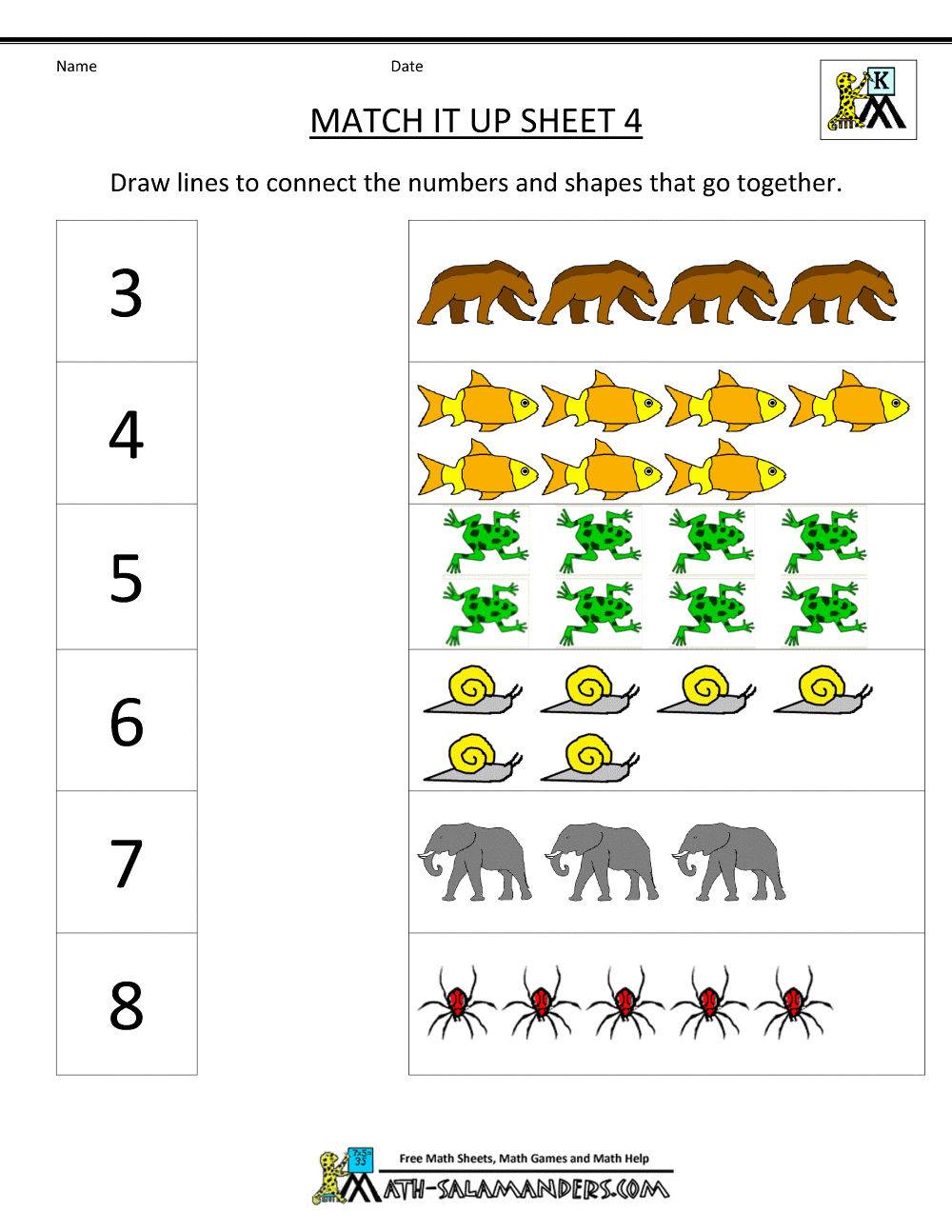
Materials tailored for pre-kindergarten math skills generally feature a clear and simple layout, prioritizing visual appeal and ease of use. Core Exercises: These typically encompass activities focused on number identification and writing, counting objects up to a certain number (often 10 or 20), and simple addition and subtraction problems using pictures or manipulatives. Shape recognition exercises are also common, often asking children to identify basic shapes like circles, squares, triangles, and rectangles, or to sort objects based on their shape. Pattern recognition activities might involve continuing simple patterns or identifying the missing element in a sequence. Interactive Elements: Many include coloring activities to reinforce shape recognition or counting. Matching games, where children connect corresponding numbers, shapes, or quantities, are another frequent inclusion. Some utilize mazes or dot-to-dot activities that incorporate counting or number recognition. The instructions are presented using simple language and clear visuals, ensuring that children can complete the activities independently or with minimal guidance. The overall design aims to be engaging and motivating, transforming the learning process into a fun and rewarding experience. The progressive nature of the exercises allows children to build upon previously learned skills, gradually increasing the complexity as they advance. Related guide: Kindergarten Math Worksheets.
Tips and Complementary Resources
To maximize the effectiveness of these learning tools, consistency is key. Daily Practice Tips: Short, regular sessions (15-20 minutes) are more beneficial than infrequent, longer ones. Make the activity engaging by incorporating fun elements like stickers or small rewards. Praise effort and progress, rather than focusing solely on correct answers, to build confidence. Adapt the pace to the child’s individual learning style and needs. Pairing with Other Resources: Complement these resources with hands-on activities, such as using blocks for counting or sorting toys by color or shape. Read picture books that incorporate math concepts, such as counting or shape recognition. Utilize online games or apps that reinforce math skills in an interactive way. Integrating these activities into everyday routines can help solidify learning and make math a natural and enjoyable part of a child’s world. The goal is to create a positive learning environment that fosters curiosity and a love of learning.
Conclusion
Employing tools that teach foundational math skills represents a valuable investment in a child’s future academic success and cognitive development. These resources offer a structured and engaging way to introduce mathematical concepts in a fun and accessible manner. By focusing on essential skills such as number recognition, counting, shape identification, and pattern recognition, these activities lay a solid foundation for more advanced mathematical learning. The interactive and visually appealing design of most materials helps to capture children’s attention and make learning an enjoyable experience. The benefits extend beyond academic achievement, fostering critical thinking, problem-solving skills, and confidence. Encourage children to engage with these tools regularly to unlock their full potential and pave the way for a brighter future. Explore related resources, such as interactive math games or books, to further enhance the learning experience and solidify their understanding. By proactively incorporating these learning experiences into a child’s life, parents and educators can empower them to excel in mathematics and beyond.
Developmental Milestone & Activity Table
| Development Stage | Recommended Daily Duration | Primary Learning Objective |
|---|---|---|
| Preschool & Pre-K | 10 – 15 Minutes | Pencil grip development & basic pre-stroke lines |
| Kindergarten | 15 – 20 Minutes | Letter/number formation & spatial line awareness |
| Early Elementary (Grade 1–2) | 20 – 30 Minutes | Fluency, sentence construction & neatness |
Images References :
Discover more printable learning activities by visiting our full Pre K Activity Worksheets archive for teachers, homeschoolers, and parents.