Introduction and Importance of Kindergarten Spring Math Worksheets
Early exposure to mathematical concepts is crucial for building a solid foundation for future learning. Specifically, resources designed for kindergarten during the spring season can be exceptionally effective. This is because the thematic element of springtime, with its association with growth, new beginnings, and colorful imagery, creates an engaging and stimulating context for learning. These worksheets offer a playful approach to introduce fundamental mathematical skills. This method makes learning an enjoyable experience, which cultivates a positive attitude toward mathematics early in a child’s academic journey. Utilizing seasonally themed resources can significantly boost engagement, motivation, and retention. They help to bridge the gap between abstract mathematical concepts and the tangible world, making learning more meaningful and relevant. Such tools are beneficial for both classroom instruction and at-home practice, providing a consistent and complementary approach to skill development. They reinforce concepts introduced in the classroom, allowing for personalized learning and addressing individual needs at home.
💡 Educational Key Takeaways:
- Core Skill: Structured Kindergarten Spring Math Worksheets focused on developing pencil grip, stroke control, and early literacy/math confidence.
- Target Scope: Suited for homeschoolers, preschool, kindergarten, and elementary learners.
- Best Recommendation: Practice 10–15 minutes daily with ergonomic writing tools to reinforce muscle memory without hand fatigue.
Structure and How It Works
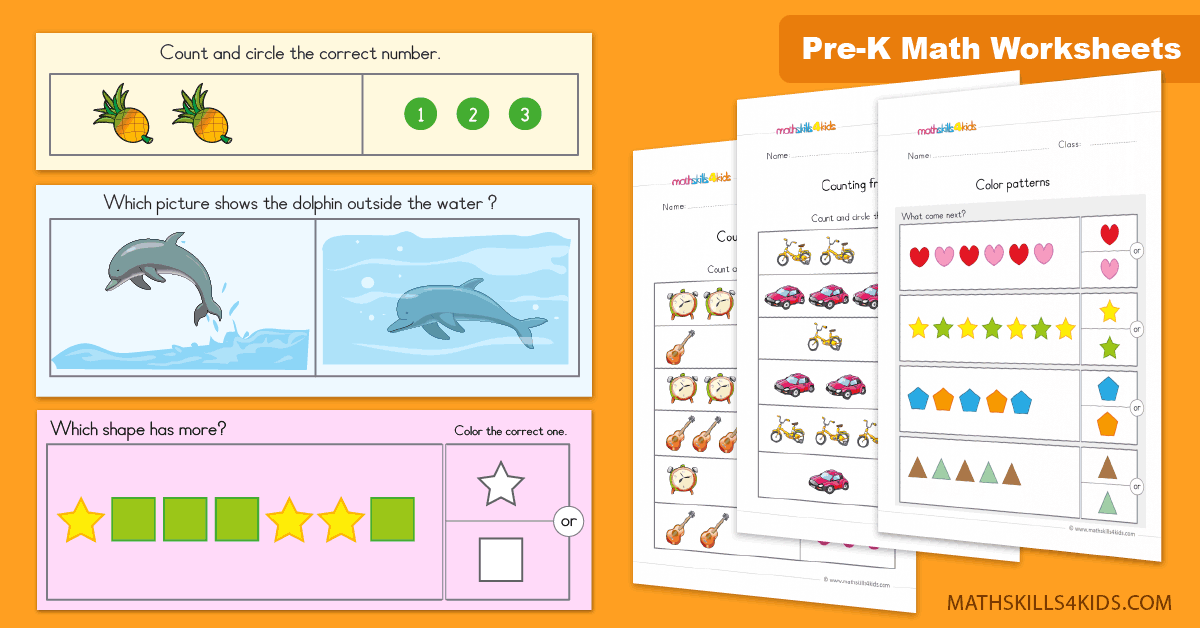
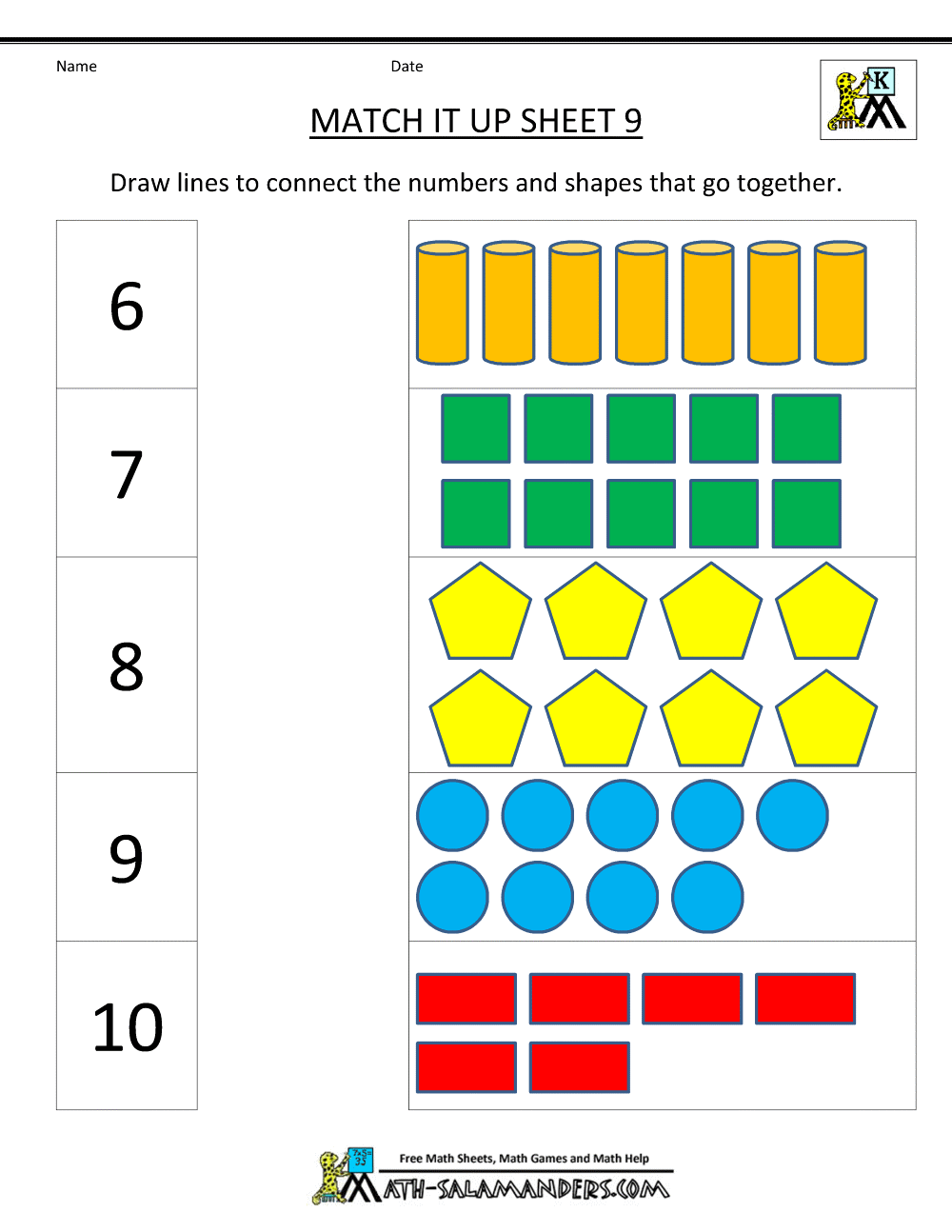
The structure of these educational materials is typically designed for easy navigation and comprehension. Each sheet usually focuses on a specific mathematical skill, like counting, number recognition, basic addition and subtraction, or shape identification. Core Exercises: These sections generally include counting objects (like flowers, bees, or butterflies), solving simple addition or subtraction problems related to a spring theme, or completing number sequences. The exercises are designed to progressively increase in difficulty, allowing children to gradually build their skills and confidence. Interactive Elements: Many feature activities like matching games, coloring pages that reinforce number recognition, or cut-and-paste activities that make learning more hands-on. Visual aids, such as colorful illustrations and large, clear fonts, are frequently used to maintain engagement and facilitate understanding. The layout often incorporates clear instructions and ample space for writing, ensuring that children can complete the exercises independently or with minimal assistance. By integrating seasonal themes, the learning experience feels more relevant and exciting, turning potentially challenging tasks into enjoyable activities.
Tips and Complementary Resources
To maximize the effectiveness of these resources, several practical tips can be implemented. Daily Practice Tips: Short, focused sessions are more beneficial than long, infrequent ones. Aim for 15-20 minutes of daily practice to reinforce concepts without overwhelming the child. Create a positive and encouraging environment, celebrating successes and providing gentle guidance when needed. Pairing with Other Resources: Combine these worksheets with hands-on activities, like counting real objects (e.g., pebbles, flowers), using manipulatives (e.g., counting bears, blocks), or playing math-related games. Integrate technology by using educational apps or websites that offer interactive math games related to springtime themes. Outdoor activities, such as counting items found in nature or creating spring-themed patterns with leaves and flowers, can further reinforce mathematical concepts in a fun and engaging way. These combined approaches will help create a well-rounded learning experience and make learning math an enjoyable and accessible part of everyday life.
Conclusion
In summary, learning resources centered around a springtime theme offer a fun and effective way to introduce and reinforce essential mathematical skills. Their structure, combining engaging exercises with interactive elements, provides a solid foundation for mathematical understanding. By following the tips for effective usage and combining these worksheets with other resources, parents and educators can create a comprehensive and enjoyable learning experience. The benefits of utilizing such resources are clear: enhanced engagement, improved retention, and a positive attitude towards mathematics. Implementing these materials into a child’s learning routine can significantly contribute to their academic success. Consider exploring other related materials, such as seasonal reading comprehension activities or science experiments, to create a well-rounded and holistic learning environment. The power of these resources lies in their ability to make learning an exciting and meaningful adventure, setting the stage for a lifelong love of mathematics.
Developmental Milestone & Activity Table
| Development Stage | Recommended Daily Duration | Primary Learning Objective |
|---|---|---|
| Preschool & Pre-K | 10 – 15 Minutes | Pencil grip development & basic pre-stroke lines |
| Kindergarten | 15 – 20 Minutes | Letter/number formation & spatial line awareness |
| Early Elementary (Grade 1–2) | 20 – 30 Minutes | Fluency, sentence construction & neatness |
Images References :
Discover more printable learning activities by visiting our full Pre K Activity Worksheets archive for teachers, homeschoolers, and parents.