Introduction and Importance of Kindergarten Counting Practice Materials
The foundational skills established in kindergarten are paramount for future academic success, and counting is undoubtedly one of the most crucial. Engaging young learners with structured counting exercises fosters numerical fluency and an understanding of quantity. Printable resources designed specifically for this age group provide a versatile and readily accessible tool for parents, teachers, and caregivers. These materials support the development of number recognition, one-to-one correspondence, and basic arithmetic concepts. Utilizing such resources in either a classroom or home setting can significantly enhance a child’s mathematical aptitude. The ability to confidently count objects, understand number sequences, and grasp the relationship between numbers and real-world scenarios forms the building blocks for more complex mathematical operations later in their education. Furthermore, early exposure to structured numerical activities cultivates a positive attitude towards math, reducing potential anxiety and fostering a lifelong love of learning. Consistent practice with these materials can translate into improved problem-solving skills and greater overall academic confidence.
💡 Educational Key Takeaways:
- Core Skill: Structured Kindergarten Counting Worksheets Pdf focused on developing pencil grip, stroke control, and early literacy/math confidence.
- Target Scope: Suited for homeschoolers, preschool, kindergarten, and elementary learners.
- Best Recommendation: Practice 10–15 minutes daily with ergonomic writing tools to reinforce muscle memory without hand fatigue.
Structure and How It Works
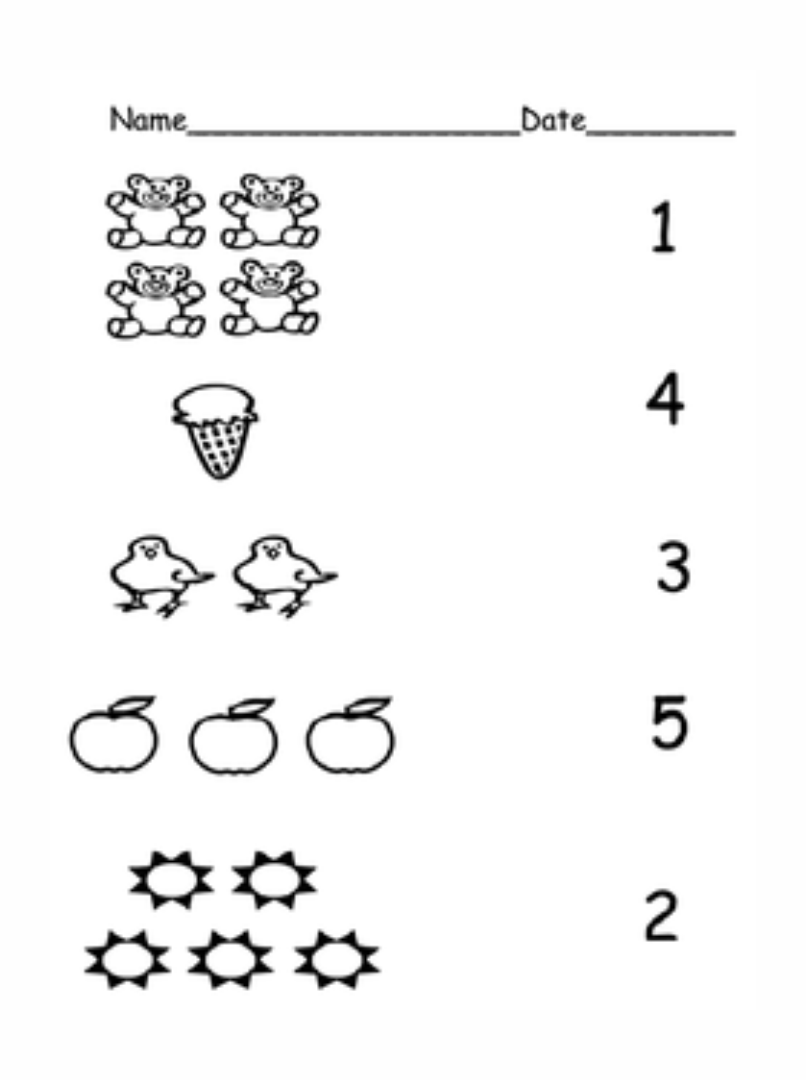
Effective kindergarten counting exercises are typically structured to cater to various learning styles and developmental stages. The layout often features a clear and visually appealing design to maintain a child’s attention. Core Exercises: These materials often include activities such as counting objects (animals, shapes, etc.) and writing the corresponding number, filling in missing numbers in a sequence, and matching numerals to quantities. Worksheets may present sets of objects that children are instructed to count and circle the correct number from a provided list. Other activities can incorporate drawing a specific number of objects based on a given numeral. Interactive Elements: Some downloadable resources include cut-and-paste activities, where children cut out numerals and paste them next to corresponding groups of objects. The visual component is crucial; bright colors, simple graphics, and large fonts make the exercises more engaging and accessible. Many of these resources also incorporate number lines as a visual aid to help children understand the sequence of numbers. Activities that require children to trace numbers contribute to the development of fine motor skills alongside their mathematical abilities. The exercises are carefully designed to incrementally increase in difficulty, ensuring that children progress at a comfortable pace and avoid feeling overwhelmed.
Tips and Complementary Resources
To maximize the effectiveness of these materials, consistent and engaging usage is essential. Daily Practice Tips: Short, focused sessions of 10-15 minutes are often more effective than longer, infrequent sessions. It is important to provide positive reinforcement and encouragement to build a child’s confidence and enthusiasm. Varying the types of activities used can help maintain interest and prevent boredom. Incorporating real-world objects, such as toys or snacks, into counting exercises can make the learning process more tangible and relatable. Pairing with Other Resources: These printable exercises can be effectively complemented by other resources, such as counting books, educational games, and online interactive activities. Utilizing manipulatives like counting bears or blocks can provide a tactile learning experience that reinforces the concepts presented on paper. Number songs and rhymes can also be a fun and engaging way to reinforce number recognition and sequencing. Consider integrating counting into everyday activities, such as counting steps while climbing stairs or counting items during grocery shopping. This holistic approach to learning, combining structured worksheets with real-world application and diverse resources, will provide a more comprehensive and enjoyable learning experience.
Conclusion
The utilization of structured kindergarten counting exercises provides a significant advantage in developing a child’s early mathematical skills. These resources are readily available, versatile, and adaptable to various learning environments. By focusing on number recognition, one-to-one correspondence, and basic arithmetic concepts, these tools establish a strong foundation for future mathematical understanding. Consistent practice with carefully designed exercises can improve problem-solving skills and cultivate a positive attitude towards learning. Parents and educators are encouraged to incorporate these materials into their teaching strategies to enhance the learning experience. The benefits of these exercises extend beyond rote memorization, fostering critical thinking and logical reasoning abilities. Beyond printable worksheets, remember that incorporating interactive games, books, and real-world activities can reinforce these concepts and make learning fun. By taking advantage of these accessible and effective tools, adults can empower young learners to confidently navigate the world of numbers and develop a lifelong love of mathematics. Explore options like number flashcards, interactive math games, or even simple counting apps to round out the learning experience.
Developmental Milestone & Activity Table
| Development Stage | Recommended Daily Duration | Primary Learning Objective |
|---|---|---|
| Preschool & Pre-K | 10 – 15 Minutes | Pencil grip development & basic pre-stroke lines |
| Kindergarten | 15 – 20 Minutes | Letter/number formation & spatial line awareness |
| Early Elementary (Grade 1–2) | 20 – 30 Minutes | Fluency, sentence construction & neatness |
Images References :
Discover more printable learning activities by visiting our full Pre K Activity Worksheets archive for teachers, homeschoolers, and parents.