Introduction and Importance of Kindergarten Math Tracing Worksheets
Establishing a strong foundation in mathematics during the kindergarten years is crucial for future academic success. Worksheets designed for tracing numbers and basic math symbols play a significant role in this process. These resources provide a tactile and visual method for young learners to develop number recognition skills and improve their fine motor abilities. The act of tracing helps children internalize the shape and form of each number, aiding memorization. Furthermore, engaging with these types of worksheets can improve hand-eye coordination, which is essential for handwriting and other tasks that require precision. They can be effectively used in a classroom setting by teachers as an interactive way to introduce early math concepts or at home by parents looking to supplement their child’s learning. The accessibility and simplicity of these exercises make them an excellent tool for early intervention and skill development, fostering a positive attitude toward mathematics from a young age. Regular practice builds confidence and reduces anxiety related to learning math concepts.
💡 Educational Key Takeaways:
- Core Skill: Structured Kindergarten Math Tracing Worksheets focused on developing pencil grip, stroke control, and early literacy/math confidence.
- Target Scope: Suited for homeschoolers, preschool, kindergarten, and elementary learners.
- Best Recommendation: Practice 10–15 minutes daily with ergonomic writing tools to reinforce muscle memory without hand fatigue.
Structure and How It Works
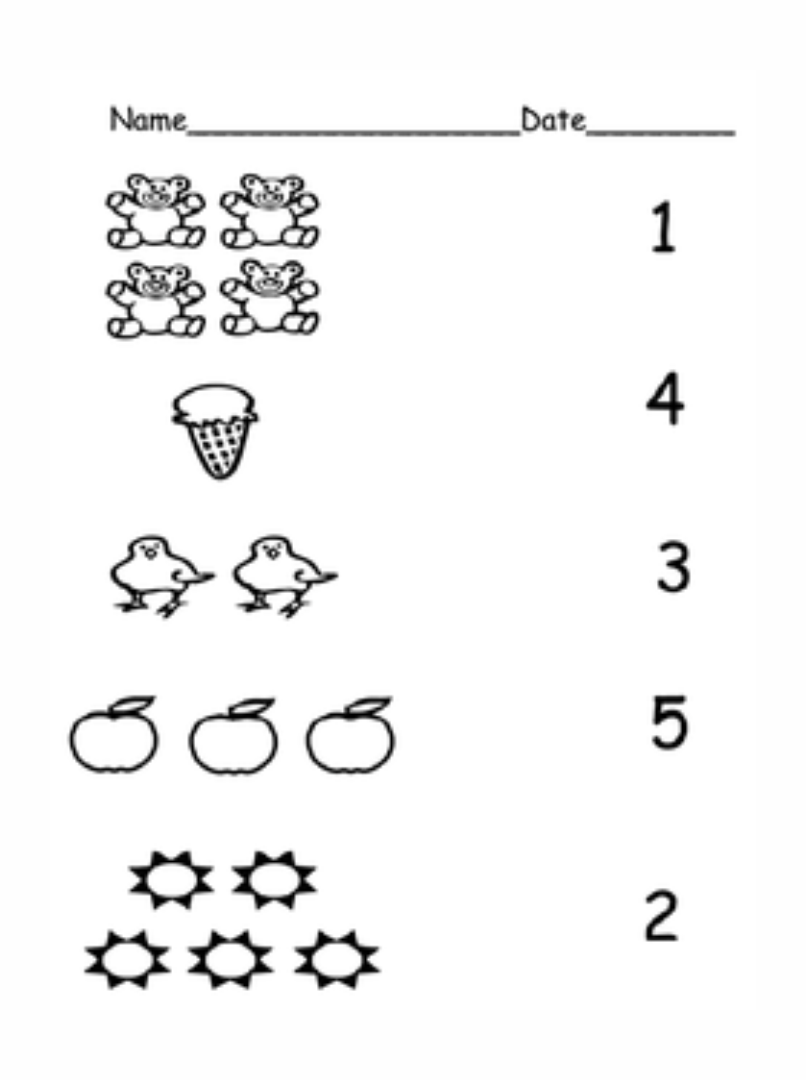
These educational aids generally feature a straightforward and user-friendly design suitable for young children. Typically, a worksheet presents a series of numbers from 0 to 9, often displayed in a dotted or dashed format for easy tracing. Core Exercises: The main portion focuses on tracing individual numbers or basic mathematical symbols like +, -, and =. Some sheets include visual cues such as arrows indicating the correct stroke order to guide the child. Interactive Elements: Many examples also incorporate colorful illustrations or simple counting exercises to make learning more engaging. For example, a worksheet might feature images of objects for children to count and then trace the corresponding number. The layout is usually uncluttered to prevent overwhelming the child and to maintain focus on the task at hand. Instructions are often provided using clear and concise language, sometimes accompanied by visual aids to enhance understanding. Worksheets can be structured to progressively increase in difficulty, starting with simple number tracing and advancing to more complex activities involving basic addition or subtraction. The consistent format helps establish a routine and makes it easier for children to learn and practice.
Tips and Complementary Resources
To maximize the effectiveness of these learning tools, it is beneficial to incorporate some practical strategies. Daily Practice Tips: Short, consistent practice sessions are more effective than infrequent, longer sessions. Aim for 10-15 minutes of focused work each day. Create a dedicated learning environment free from distractions to help the child concentrate. Encourage proper pencil grip and posture to develop good handwriting habits. Offer positive reinforcement and praise to motivate the child and build confidence. Pairing with Other Resources: Supplement these worksheets with other learning materials, such as number flashcards, counting blocks, or interactive math games. Consider using online resources or educational apps that offer similar tracing and number recognition exercises. Integrating these resources can provide a more well-rounded learning experience. Remember to adapt the activities to the child’s individual learning pace and needs. If a child struggles with a particular concept, break it down into smaller, more manageable steps. The goal is to make learning fun and engaging, fostering a positive association with mathematics.
Conclusion
In summary, number tracing and math symbol-focused sheets serve as a valuable resource for building foundational mathematical skills in kindergarteners. Their simplicity and tactile nature make them highly effective for developing number recognition, fine motor skills, and hand-eye coordination. By providing a structured and engaging approach to early math education, these tools help children develop a positive attitude toward learning mathematics, fostering confidence and reducing anxiety related to numerical concepts. Consistent use of these educational aids, combined with positive reinforcement and supplementary learning materials, can significantly contribute to a child’s overall academic readiness. Beyond these worksheets, parents and educators can explore other related materials, such as number books, counting games, and interactive apps, to further enhance the learning experience. Embracing these resources and integrating them into a comprehensive early math curriculum is an investment in a child’s future success. Encourage the use of such tools to build a strong foundation that supports lifelong learning in mathematics.
Developmental Milestone & Activity Table
| Development Stage | Recommended Daily Duration | Primary Learning Objective |
|---|---|---|
| Preschool & Pre-K | 10 – 15 Minutes | Pencil grip development & basic pre-stroke lines |
| Kindergarten | 15 – 20 Minutes | Letter/number formation & spatial line awareness |
| Early Elementary (Grade 1–2) | 20 – 30 Minutes | Fluency, sentence construction & neatness |
Images References :
Discover more printable learning activities by visiting our full Pre K Activity Worksheets archive for teachers, homeschoolers, and parents.