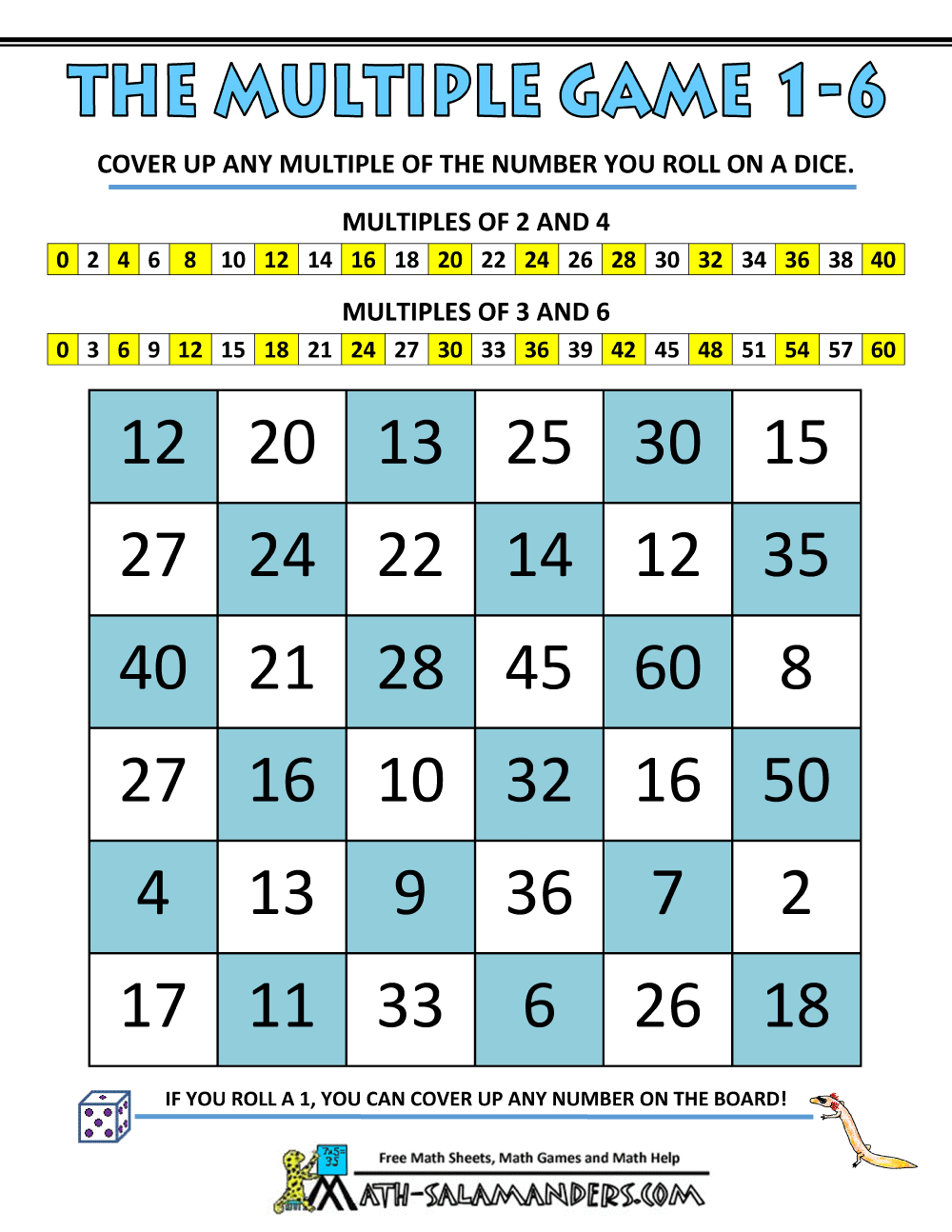
Introduction and Importance of christmas maths worksheets ks2
Engaging children with mathematical concepts can often be enhanced through thematic learning experiences. Resources designed around festive themes provide a unique opportunity to reinforce key stage 2 mathematical skills in an enjoyable and memorable way. Such materials can be particularly beneficial during the holiday season, a time often associated with reduced academic focus. By integrating mathematical practice into a Christmas-themed context, educators and parents can maintain educational momentum while simultaneously embracing the festive spirit. These activities support essential skills such as addition, subtraction, multiplication, division, problem-solving, and shape recognition. Utilizing such engaging resources at home, in the classroom, or through self-study programs ensures that essential mathematical proficiencies are continuously developed. This approach helps to mitigate learning loss typically associated with holiday breaks, fostering a positive association with mathematical challenges.
💡 Educational Key Takeaways:
- Core Skill: Structured Christmas Maths Worksheets Ks2 focused on developing pencil grip, stroke control, and early literacy/math confidence.
- Target Scope: Suited for homeschoolers, preschool, kindergarten, and elementary learners.
- Best Recommendation: Practice 10–15 minutes daily with ergonomic writing tools to reinforce muscle memory without hand fatigue.
Structure and How It Works
The structure of this educational resource typically comprises a range of diverse exercises tailored to the key stage 2 curriculum. Core Exercises: These activities generally include number-based problems, such as calculating festive item costs, solving word problems related to Christmas scenarios, and practicing multiplication and division with holiday-themed numbers. Expect to find sections dedicated to fraction work involving sharing treats, geometry tasks exploring Christmas decorations, and data handling through surveys about favorite holiday activities. Interactive Elements: Many of these resources also incorporate visual aids, such as festive illustrations, to enhance engagement. Puzzles, coloring activities with mathematical elements, and code-breaking tasks using mathematical operations are frequently included. The layout often prioritizes clarity, ensuring that the instructions are easy to follow. Answer keys are generally provided to facilitate independent learning and self-assessment. Such worksheets are structured to build progressively in complexity, enabling children to gradually enhance their understanding of key mathematical concepts while having fun.
Tips and Complementary Resources
Effectively using festive-themed mathematical activities involves strategic implementation. Daily Practice Tips: Allocate a specific time each day for working through these exercises to establish a routine. Encourage children to explain their problem-solving strategies aloud, as this reinforces their understanding and identifies areas for improvement. Break down larger worksheets into smaller, manageable sections to prevent overwhelm. Pairing with Other Resources: Supplement these worksheets with real-world applications, such as calculating ingredients for holiday baking or measuring distances for delivering cards. Consider using online mathematical games and interactive resources that reinforce the same skills covered in the worksheets. Integrate hands-on activities, like building Christmas-themed geometric shapes with craft materials, to enhance practical learning. By combining different learning modalities, mathematical skills can be reinforced more effectively and thoroughly.
Conclusion
Festive mathematical activities provide an engaging and effective way to consolidate key stage 2 mathematical skills. The thematic approach not only maintains learning momentum during the holiday season but also fosters a positive attitude towards mathematics. By offering a variety of exercises, from basic arithmetic to more complex problem-solving, these materials ensure comprehensive coverage of the curriculum. Encouraging regular practice, supplemented with real-world applications and interactive resources, maximizes learning potential. The immediate application of these resources is highly encouraged to maintain and enhance mathematical proficiency. Explore other educational materials, such as online tutorials or mathematical board games, to further enrich the learning experience. Embrace the opportunity to make learning fun and relevant, fostering a lasting appreciation for mathematical concepts.
Developmental Milestone & Activity Table
| Development Stage | Recommended Daily Duration | Primary Learning Objective |
|---|---|---|
| Preschool & Pre-K | 10 – 15 Minutes | Pencil grip development & basic pre-stroke lines |
| Kindergarten | 15 – 20 Minutes | Letter/number formation & spatial line awareness |
| Early Elementary (Grade 1–2) | 20 – 30 Minutes | Fluency, sentence construction & neatness |
Images References :
Discover more printable learning activities by visiting our full Fun and Seasonal Math Worksheets archive for teachers, homeschoolers, and parents.