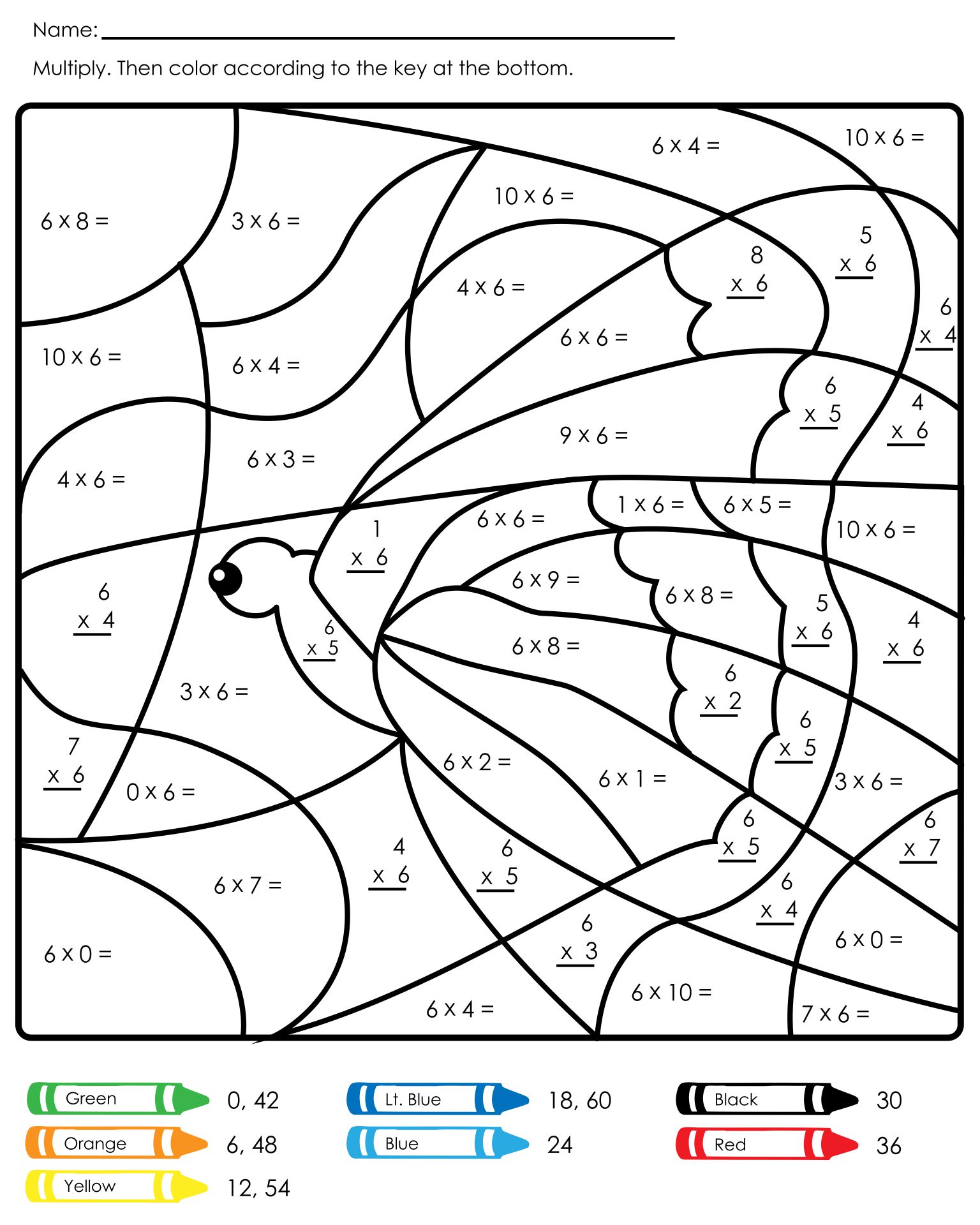
Introduction and Importance of Color by Number Squares Printable
These activities provide a structured approach to learning fundamental skills, offering significant benefits in various educational settings. At home, they serve as a fun and accessible way for children to reinforce number recognition and color identification. This engagement fosters independence and self-directed learning, enabling children to progress at their own pace. In the classroom, the worksheets offer a readily available resource for teachers to supplement lessons, cater to diverse learning styles, and provide differentiated instruction. The structured format allows for easy assessment of student understanding, providing valuable feedback for educators. Furthermore, for individuals engaging in self-study, the resources promote cognitive development by linking numbers with visual representations, strengthening memory and analytical skills. The portable nature of the printables allows for learning on the go, making it a versatile tool for any educational environment. The inherent playfulness of the task reduces learning anxiety, promoting a positive and effective educational experience.
💡 Activity Key Takeaways:
- Core Focus: Printable Color By Number Squares Printable designed for creative expression and fine-motor coordination.
- Target Scope: Ideal for toddlers, preschool, kindergarten, and classroom art activities.
- Best Recommendation: Use standard heavy printer paper (24–28 lb) or cardstock for vibrant results with crayons, colored pencils, or washable markers.
Structure and How It Works
These educational aids typically feature a grid composed of numerous squares, each containing a number. A corresponding color key is provided, linking each number to a specific color. Core Exercises: The primary activity involves identifying the number within each square and filling it with the corresponding color indicated in the key. This exercise reinforces number recognition, color association, and fine motor skills. The complexity can vary, with some versions featuring simpler grids suitable for younger children, while others incorporate more intricate designs and a broader range of colors for older learners. Interactive Elements: Beyond the basic coloring task, some variations incorporate additional challenges, such as completing the activity within a specific timeframe or creating original designs using the color-number associations. Certain versions include themed grids based on animals, landscapes, or abstract patterns, enhancing the visual appeal and educational value. The straightforward design allows for independent work and easy monitoring of progress. Related guide: Math Subtraction Coloring Worksheets.
Tips and Complementary Resources
To maximize the effectiveness of these resources, strategic implementation is key. Daily Practice Tips: Incorporating brief, regular sessions into a daily routine can yield significant improvements in skill development. Start with simpler designs and gradually progress to more complex ones as proficiency increases. Utilizing high-quality coloring materials, such as crayons, colored pencils, or markers, enhances the visual experience and promotes neater work. Pairing with Other Resources: Complement the coloring tasks with other educational activities, such as number flashcards or color sorting games, to reinforce learning concepts. Online resources, including educational websites and interactive apps, offer additional learning opportunities and personalized feedback. Integrating the activity into broader thematic units, such as learning about animals or nature, can enhance engagement and contextualize the learning experience. Consistent and varied practice, combined with supplemental resources, will maximize the educational impact.
Conclusion
In summary, these engaging tools are invaluable resources for supporting skill development and learning across various age groups and educational settings. The structured format, combined with the inherent playfulness, makes it an effective and enjoyable way to reinforce number recognition, color association, and fine motor skills. Whether used at home, in the classroom, or for self-study, the resources offer a versatile and accessible means of promoting cognitive development and a positive learning experience. The activity encourages independent learning, fosters creativity, and provides a tangible sense of accomplishment. By integrating these printables into educational routines, learners can benefit from a hands-on approach to skill building. Consider exploring related materials, such as alphabet tracing sheets or shape recognition games, to further enhance learning and development. Embark on using these activities today and unlock a world of learning possibilities!
Key Specifications & Age-Group Overview
| Age / Grade Group | Target Skill Focus | Recommended Medium |
|---|---|---|
| Toddlers (Ages 2–4) | Hand-eye coordination & broad motor grasp | Jumbo crayons & washable finger paints |
| Early Elementary (Ages 5–7) | Line boundaries & fine pencil control | Standard colored pencils & fine-tip markers |
| Intermediate (Ages 8+) | Color blending, shading & artistic patience | Watercolor pencils, gel pens & dual-brush markers |
Images References :
Discover more printable learning activities by visiting our full Shape and Color Worksheets archive for teachers, homeschoolers, and parents.