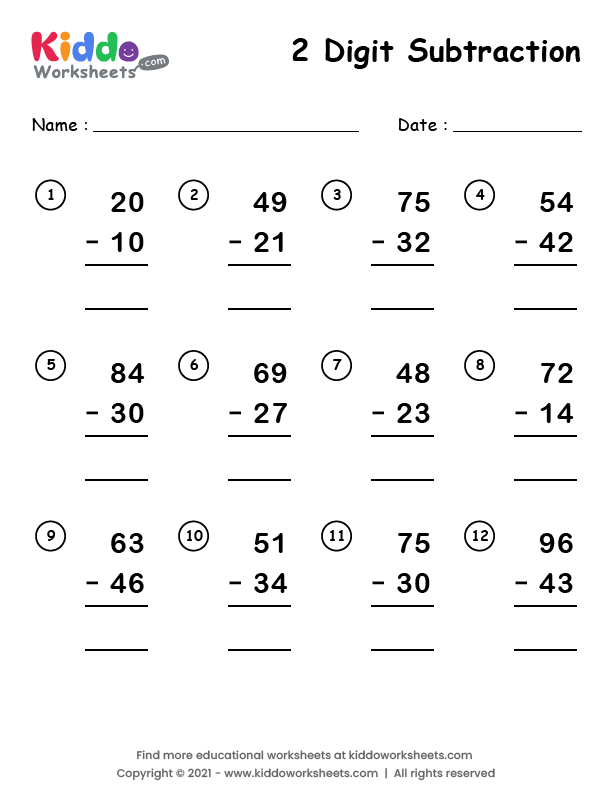
Introduction and Importance of Math-Integrated Coloring Activities
Integrating mathematics with visual activities offers a creative and effective way to reinforce learning, particularly for visual and kinesthetic learners. These activities can transform rote memorization into an engaging experience, making abstract concepts more tangible and relatable. Whether employed in a classroom setting, as part of homeschooling curricula, or for independent study, the incorporation of color and visual representation can significantly boost retention and comprehension. By associating numbers and equations with vibrant colors and artistic designs, the process of problem-solving becomes less intimidating and more enjoyable. This approach fosters a positive attitude towards mathematics and encourages a deeper exploration of numerical concepts. Furthermore, it provides an opportunity for learners to develop both their mathematical and artistic skills simultaneously, enhancing their overall cognitive development. The visual appeal can hold attention for longer periods, leading to increased focus and improved learning outcomes. This blended method supports a holistic approach to education, stimulating different parts of the brain and enhancing the learning experience.
💡 Activity Key Takeaways:
- Core Focus: Printable Coloring Math Worksheet designed for creative expression and fine-motor coordination.
- Target Scope: Ideal for toddlers, preschool, kindergarten, and classroom art activities.
- Best Recommendation: Use standard heavy printer paper (24–28 lb) or cardstock for vibrant results with crayons, colored pencils, or washable markers.
Structure and How It Works
These resources typically feature a combination of arithmetic problems and intricate designs that are completed when solutions are determined. The layout commonly includes sections dedicated to specific mathematical operations like addition, subtraction, multiplication, or division. Core Exercises: The main component consists of mathematical problems ranging in difficulty to cater to different skill levels. Each solution corresponds to a particular color as defined by a provided color key. As a learner solves each problem, they refer to the key and color the corresponding area of the design accordingly. Interactive Elements: These can include various design patterns such as geometric shapes, animals, or abstract art. The designs may also incorporate elements that reinforce the mathematical concepts being practiced, such as arrays for multiplication. The effectiveness of these exercises lies in their ability to motivate learners through creative expression. They often come in printable formats allowing for repeated use or customization, ensuring accessibility and flexibility in usage. This combined approach fosters critical thinking as well as visual processing, enhancing overall cognitive skills. Related guide: Spring Math Worksheets For Kindergarten.
Tips and Complementary Resources
To maximize the impact of these educational tools, strategic implementation is crucial. Daily Practice Tips: Short, focused sessions are more effective than long, infrequent ones. Dedicate 15-20 minutes each day to engage with the problems and designs, ensuring consistent reinforcement of learned concepts. It is also beneficial to adapt the difficulty level to match the individual’s current mathematical proficiency, gradually increasing the complexity as skills improve. Encourage learners to check their work meticulously, as accuracy in solving the equations is essential for achieving the intended visual result. Pairing with Other Resources: These resources can be effectively paired with traditional textbooks or online learning platforms. Incorporating physical manipulatives, like counters or number lines, can further solidify understanding of the underlying mathematical principles. Seeking out online tutorials or instructional videos can provide additional support for more challenging topics. Remember that a positive and encouraging learning environment is critical for fostering a love for both mathematics and art.
Conclusion
The incorporation of visual activities into mathematics education offers a powerful tool for enhancing comprehension, retention, and engagement. By blending mathematical problem-solving with artistic expression, these activities make learning more enjoyable and accessible for diverse learning styles. The benefits extend beyond improved mathematical skills; they also foster creativity, critical thinking, and attention to detail. Whether used in formal educational settings or as supplemental learning resources at home, these activities can significantly contribute to a more positive and effective learning experience. It is encouraged to explore and implement these strategies to unlock the full potential of mathematical learning through visual engagement. Educators and parents are advised to consider related visual learning materials such as geometric art projects or pattern recognition games for comprehensive learning reinforcement. Embracing this approach not only enriches the learning process but also cultivates a lifelong appreciation for both mathematics and the arts, fostering a more well-rounded and intellectually stimulating educational journey.
Key Specifications & Age-Group Overview
| Age / Grade Group | Target Skill Focus | Recommended Medium |
|---|---|---|
| Toddlers (Ages 2–4) | Hand-eye coordination & broad motor grasp | Jumbo crayons & washable finger paints |
| Early Elementary (Ages 5–7) | Line boundaries & fine pencil control | Standard colored pencils & fine-tip markers |
| Intermediate (Ages 8+) | Color blending, shading & artistic patience | Watercolor pencils, gel pens & dual-brush markers |
Images References :
Discover more printable learning activities by visiting our full Math Worksheets archive for teachers, homeschoolers, and parents.