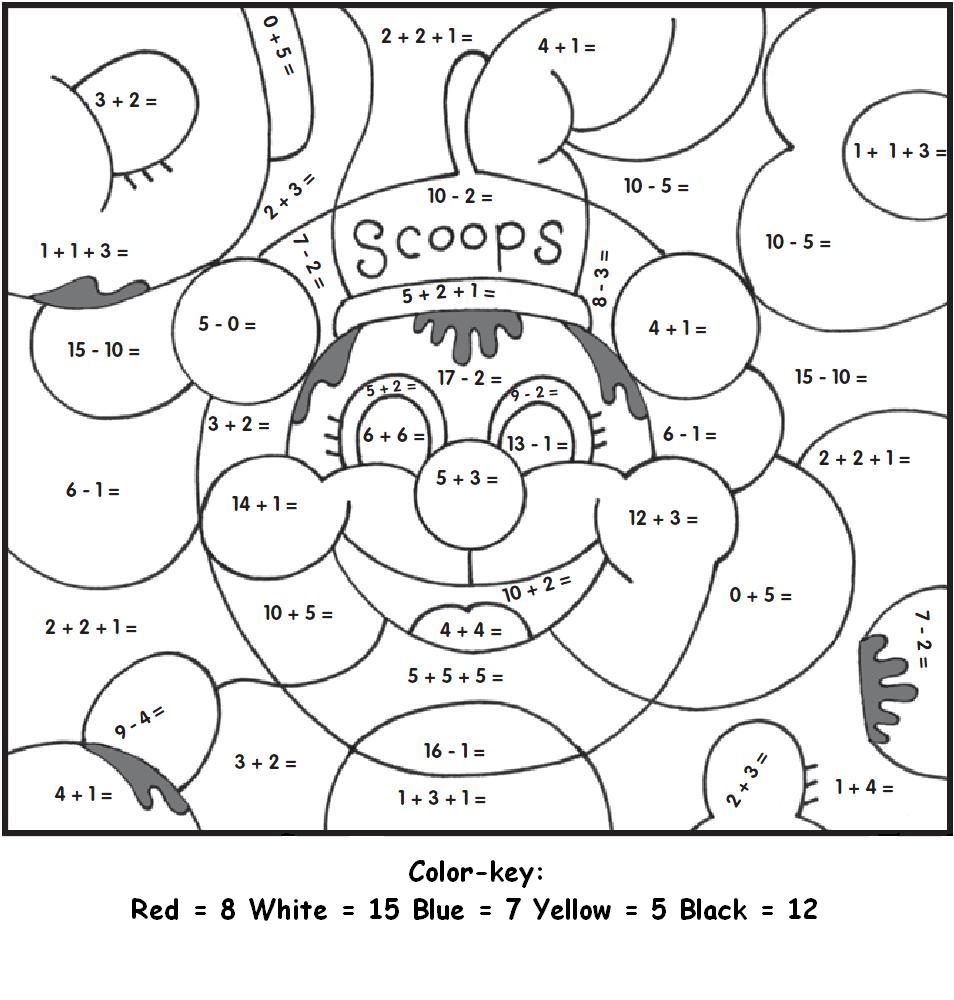
Introduction and Importance of Snow Math Worksheets
Educational activities that incorporate seasonal themes offer a fresh and engaging approach to learning fundamental mathematical concepts. A winter or snow-themed activity sheet, for instance, can transform routine calculations into an exciting adventure. This is particularly beneficial in elementary education, where maintaining student interest is crucial. These materials can reinforce number recognition, addition, subtraction, and basic problem-solving skills. The visual appeal of snowflakes, snowmen, or winter landscapes can capture children’s attention more effectively than standard textbook problems.
💡 Educational Key Takeaways:
- Core Skill: Structured Snow Math Worksheets focused on developing pencil grip, stroke control, and early literacy/math confidence.
- Target Scope: Suited for homeschoolers, preschool, kindergarten, and elementary learners.
- Best Recommendation: Practice 10–15 minutes daily with ergonomic writing tools to reinforce muscle memory without hand fatigue.
Moreover, such seasonally themed worksheets provide opportunities to connect abstract math concepts to the real world. Children can count snowflakes, calculate the number of snowballs needed to build a snowman, or estimate the height of a snowdrift. These tangible examples solidify understanding and enhance retention. At home, these materials offer a screen-free alternative for educational entertainment during winter breaks. In the classroom, teachers can use them to supplement the curriculum, offering a differentiated learning experience for students who may benefit from a more engaging approach. The use of such resources can ultimately contribute to a more positive attitude toward mathematics in young learners.
Structure and How It Works
A typical snow-themed activity sheet features a variety of exercises designed to cater to different skill levels. The layout often includes a visually appealing header with winter-related graphics, followed by clearly defined sections for each type of problem. Core Exercises: These generally consist of arithmetic problems such as addition, subtraction, multiplication, and division, tailored to the appropriate grade level. Word problems related to winter scenarios are also common, requiring students to apply their mathematical knowledge to solve real-world situations.
Interactive Elements: Many activity sheets incorporate elements such as counting exercises, where students count the number of snowflakes or snowmen depicted. Another common feature is shape recognition, which involves identifying and coloring different shapes found in winter-themed images. Matching games, where students match mathematical equations to their corresponding answers, further enhance engagement. Worksheets might also include number sequencing activities or basic graphing exercises to broaden the scope of learning. The activity sheet is structured to gradually increase in difficulty, providing a scaffolded learning experience that builds confidence and reinforces concepts. The use of clear instructions and ample space for calculations ensures ease of use and promotes independent learning.
Tips and Complementary Resources
To maximize the benefits, it is useful to integrate these worksheets into a structured learning routine. Daily Practice Tips: Allocating a specific time each day to complete a set number of problems can foster consistency and improve retention. Encouraging students to show their work promotes understanding and allows for easier identification of any errors. Creating a positive and supportive environment is also crucial, as it can help to alleviate math anxiety and build confidence.
Pairing with Other Resources: These activity sheets can be effectively complemented with other educational resources. Online math games, interactive simulations, and instructional videos can provide a multi-faceted learning experience. Hands-on activities, such as using manipulatives to represent numbers or creating winter-themed math projects, can further solidify understanding. Parental or teacher involvement in the learning process can also be highly beneficial, providing guidance, encouragement, and opportunities for discussion. Utilizing a combination of resources can help to cater to different learning styles and ensure a comprehensive understanding of mathematical concepts.
Conclusion
The incorporation of seasonal themes into educational materials offers a powerful tool for enhancing engagement and making learning more enjoyable. A snow-themed activity sheet, for example, transforms routine math exercises into an exciting and relevant activity, capturing the attention of students and fostering a more positive attitude toward mathematics. The benefits extend beyond simple entertainment, as these resources can reinforce fundamental concepts, improve problem-solving skills, and provide opportunities to connect abstract ideas to real-world scenarios.
The key to maximizing the effectiveness lies in consistent practice, a supportive learning environment, and the integration of complementary resources. By incorporating such materials into a well-rounded educational approach, educators and parents can cultivate a deeper understanding of mathematical concepts. Consider exploring related materials, such as winter-themed reading comprehension passages or science experiments, to further enrich the learning experience. Ultimately, the use of these types of resources contribute to academic success and a lifelong love of learning.
Developmental Milestone & Activity Table
| Development Stage | Recommended Daily Duration | Primary Learning Objective |
|---|---|---|
| Preschool & Pre-K | 10 – 15 Minutes | Pencil grip development & basic pre-stroke lines |
| Kindergarten | 15 – 20 Minutes | Letter/number formation & spatial line awareness |
| Early Elementary (Grade 1–2) | 20 – 30 Minutes | Fluency, sentence construction & neatness |
Images References :
Discover more printable learning activities by visiting our full Math Worksheets archive for teachers, homeschoolers, and parents.