Introduction and Importance
This type of activity offers a unique and engaging approach to mastering fundamental arithmetic operations. It transforms potentially tedious drills into an enjoyable exercise, fostering a positive attitude towards mathematics. Integrating visual learning with numerical computation, these resources cater to diverse learning styles, enhancing comprehension and retention. Their value extends across various learning environments, proving beneficial for reinforcing concepts learned in the classroom, supplementing homeschooling curricula, or providing engaging self-study material.
💡 Educational Key Takeaways:
- Core Skill: Structured Colour By Number Multiplication And Division focused on developing pencil grip, stroke control, and early literacy/math confidence.
- Target Scope: Suited for homeschoolers, preschool, kindergarten, and elementary learners.
- Best Recommendation: Practice 10–15 minutes daily with ergonomic writing tools to reinforce muscle memory without hand fatigue.
By associating calculations with color, this method captures the learner’s attention and sustains their interest, thus increasing the effectiveness of practice. Regular engagement with these worksheets builds a strong foundation in multiplication and division, which is crucial for tackling more advanced mathematical concepts. The immediate feedback provided through the visual representation of correct answers encourages independent learning and self-correction, ultimately nurturing confidence and mathematical fluency.
Structure and How It Works
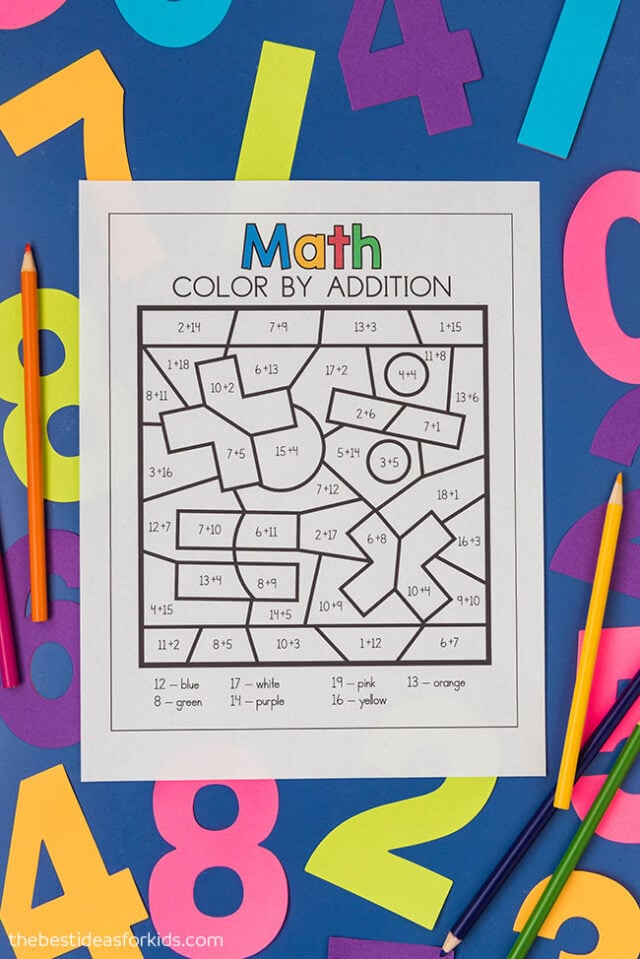
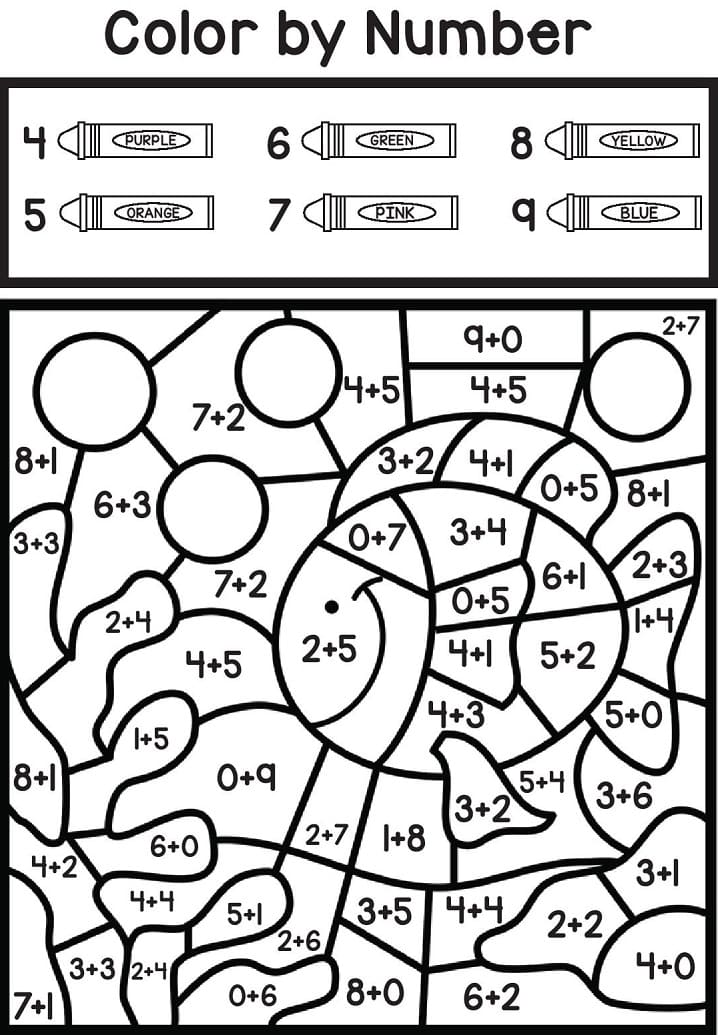
The structure typically includes a grid or picture composed of numbered sections. Each section corresponds to a specific calculation. Core Exercises: Within the worksheet, a list of multiplication and division problems is provided. The solution to each problem is associated with a particular color.
To complete the activity, one must first solve the arithmetic problem. Once the answer is determined, the corresponding section on the grid is colored with the designated color. Interactive Elements: These elements are designed to reinforce understanding and make learning more dynamic. The act of coloring provides a kinesthetic element, engaging different parts of the brain and enhancing memory. As more sections are correctly colored, a hidden picture gradually emerges, adding an element of discovery and reward. This combination of calculation and artistry transforms learning into an interactive game, making it more appealing and effective.
Tips and Complementary Resources
To maximize the benefits, establish a dedicated time for focused practice. Daily Practice Tips: Begin with simpler worksheets and gradually increase the difficulty as proficiency grows. Ensure a clear understanding of the multiplication tables and division facts before starting.
Encourage the learner to show their work for each problem to reinforce the underlying mathematical processes. Pairing with Other Resources: Supplement this activity with other educational tools such as flashcards, online games, or interactive tutorials. Consider incorporating real-world examples of multiplication and division to demonstrate their practical relevance. Regular positive reinforcement and constructive feedback are essential for maintaining motivation and fostering a growth mindset. By creating a supportive and engaging learning environment, one can help the learner develop a strong foundation in math while also nurturing a love for learning.
Conclusion
In summary, this learning resource offers a multifaceted approach to mastering essential mathematical skills. By seamlessly integrating arithmetic practice with a visual element, it transforms traditionally challenging tasks into engaging and rewarding experiences. It fosters a positive attitude towards math while solidifying foundational knowledge, making it an invaluable asset for learners of all ages and abilities.
Embrace this interactive approach and witness how it can unlock mathematical potential and cultivate a lifelong love of learning. Consider exploring other resources that complement and reinforce these skills, such as advanced problem-solving exercises or real-world applications of mathematical concepts. Start incorporating this method into learning routines today, and see learning blossom.
Developmental Milestone & Activity Table
| Development Stage | Recommended Daily Duration | Primary Learning Objective |
|---|---|---|
| Preschool & Pre-K | 10 – 15 Minutes | Pencil grip development & basic pre-stroke lines |
| Kindergarten | 15 – 20 Minutes | Letter/number formation & spatial line awareness |
| Early Elementary (Grade 1–2) | 20 – 30 Minutes | Fluency, sentence construction & neatness |
Images References :
Discover more printable learning activities by visiting our full Shape and Color Worksheets archive for teachers, homeschoolers, and parents.