Introduction and Importance of drill multiplication
Developing fluency in multiplication is a foundational skill that impacts success across numerous mathematical domains. Proficiency in this area unlocks more complex concepts such as division, fractions, algebra, and beyond. Mastering basic multiplication facts allows individuals to approach problem-solving with greater confidence and efficiency. This skill facilitates mental math abilities and reduces reliance on calculators for simple calculations. Its not merely about memorization; it’s about building a robust understanding of mathematical relationships. A structured approach to repeated practice fosters automaticity, allowing students to rapidly recall multiplication facts, freeing up cognitive resources for higher-level reasoning and application. This is beneficial not only in formal education settings but also in everyday life, from calculating expenses to understanding proportions. Consistent engagement with focused multiplication practice ensures a solid mathematical foundation, creating a pathway for continued learning and advancement in related fields.
💡 Educational Key Takeaways:
- Core Skill: Structured Drill Multiplication focused on developing pencil grip, stroke control, and early literacy/math confidence.
- Target Scope: Suited for homeschoolers, preschool, kindergarten, and elementary learners.
- Best Recommendation: Practice 10–15 minutes daily with ergonomic writing tools to reinforce muscle memory without hand fatigue.
Structure and How It Works
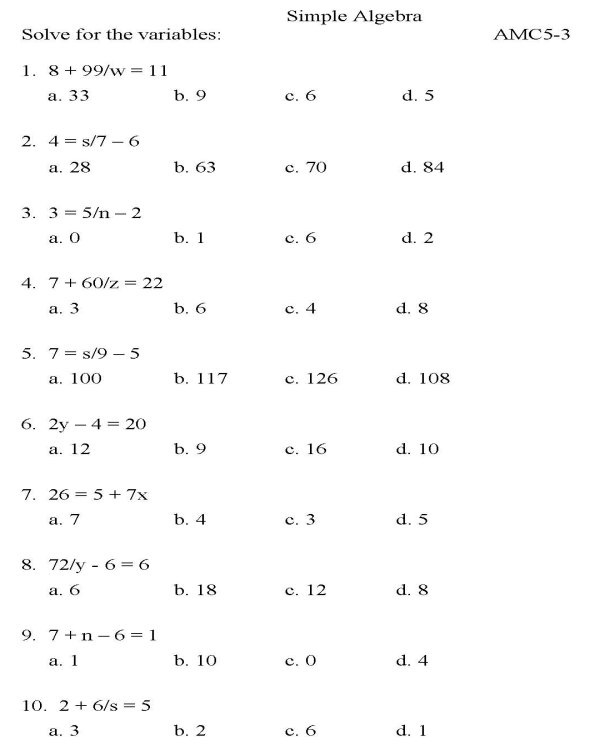
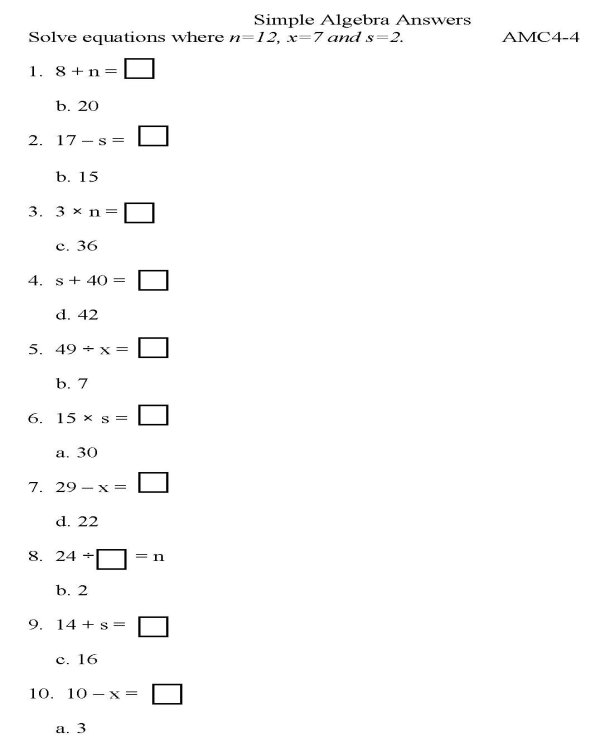
A typical resource designed for repeated multiplication practice is carefully structured to facilitate effective learning. The layout often incorporates a clear and concise presentation of multiplication problems. It’s usually organized by specific multiplication tables (e.g., multiples of 2, 3, 4, etc.), progressing in difficulty as the user advances. Core Exercises: These commonly include standard multiplication problems presented in a horizontal or vertical format. They provide the primary means for reinforcing multiplication facts through repetitive practice. Often, these exercises are formatted to allow for easy tracking of progress and identification of areas needing further attention. Interactive Elements: Some iterations incorporate visual aids such as number lines or arrays to demonstrate the concept of multiplication. Timed sections challenge the user to improve speed and accuracy. The resource might include answer keys for self-assessment and immediate feedback. The structured nature of the activity combined with instant feedback mechanisms is helpful in solidifying comprehension and building confidence. Related guide: Entry Level 1 Maths Workbook.
Tips and Complementary Resources
To maximize the benefits of focused multiplication exercises, it is important to implement some strategic approaches. Daily Practice Tips: Consistency is key. Short, focused practice sessions are more effective than infrequent, lengthy ones. Encourage individuals to set achievable goals and track their progress to stay motivated. Focusing on one set of multiplication facts at a time until mastery is achieved before moving on is a good idea. Encourage the learner to identify and focus on their weakest areas. Pairing with Other Resources: Integrate the practice with other learning tools, such as online multiplication games or flashcards, to add variety and maintain engagement. Visual aids and manipulatives can also be useful for solidifying understanding. Real-world applications, such as calculating grocery costs or measuring ingredients for a recipe, can help learners see the relevance of multiplication in everyday life.
Conclusion
In summary, repeated practice of multiplication facts is an essential component in building a strong mathematical foundation. It promotes not only memorization but also a deeper understanding of mathematical relationships. The structured layout, coupled with features that promote quick recall, provides a systematic approach to skill development. The benefits extend beyond the classroom, impacting everyday problem-solving and decision-making. By integrating this practice into a daily routine and complementing it with other educational resources, individuals can achieve mastery and confidence in multiplication. The activity supports continuous learning and sets the stage for tackling more advanced mathematical concepts. Materials on related topics such as division, fractions, or algebra can serve as a natural extension to build upon the foundation of strong multiplication skills. Embracing a consistent, focused approach will yield significant results in mathematical proficiency.
Developmental Milestone & Activity Table
| Development Stage | Recommended Daily Duration | Primary Learning Objective |
|---|---|---|
| Preschool & Pre-K | 10 – 15 Minutes | Pencil grip development & basic pre-stroke lines |
| Kindergarten | 15 – 20 Minutes | Letter/number formation & spatial line awareness |
| Early Elementary (Grade 1–2) | 20 – 30 Minutes | Fluency, sentence construction & neatness |
Images References :
Discover more printable learning activities by visiting our full Early Math Skills Worksheets archive for teachers, homeschoolers, and parents.