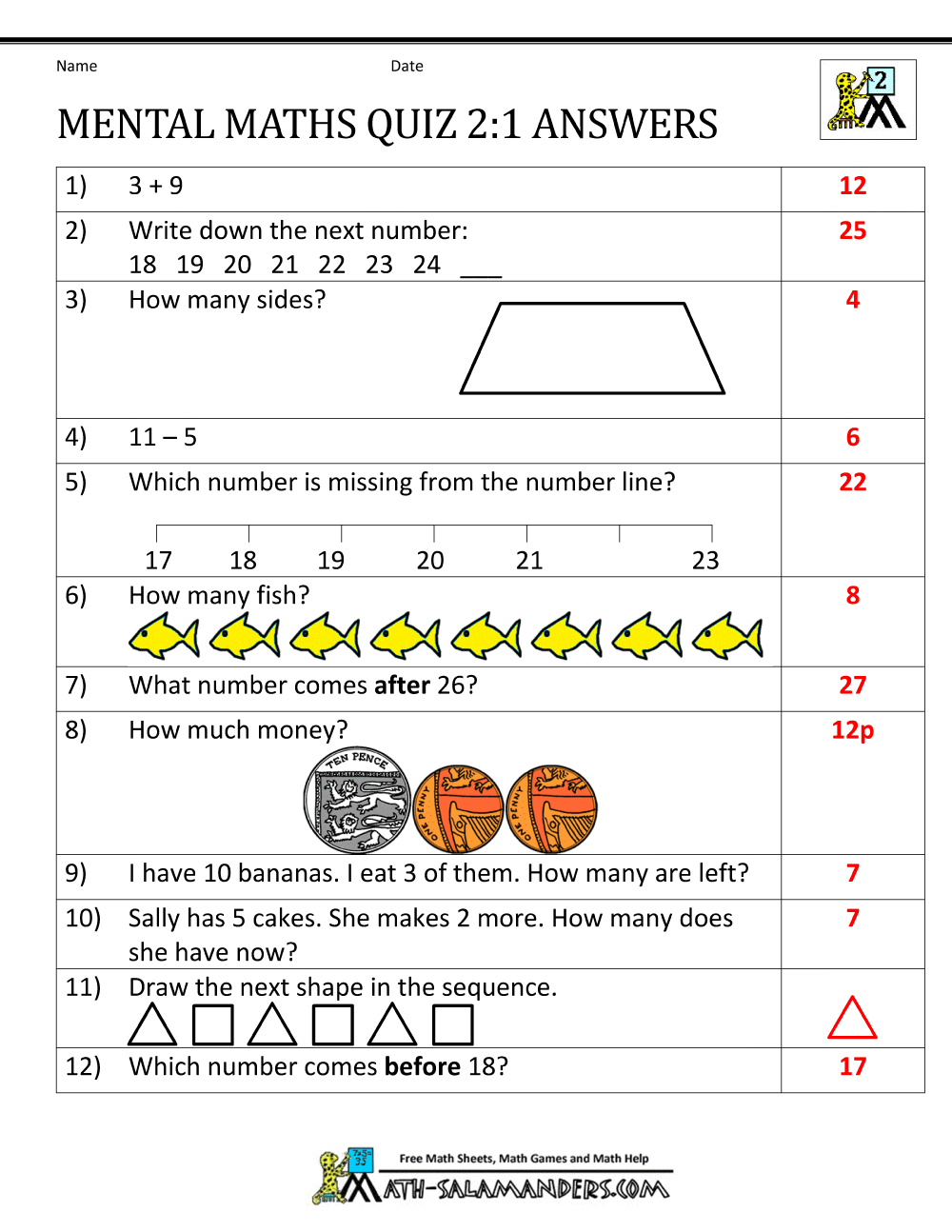
Introduction and Importance of problem solving year 2 worksheets
Early mathematical proficiency is critical for future academic success. Worksheets designed to foster critical thinking in year 2 students serve as a valuable tool in their educational journey, laying a strong foundation in mathematical reasoning. These resources offer a structured approach to understanding and tackling mathematical questions, enhancing comprehension and application skills. Regular engagement with these materials helps students to develop the ability to break down complex problems into manageable steps, a skill transferable to various aspects of life. At home, these activities can supplement classroom learning, providing children with extra practice and individualised support. Within the classroom, teachers can use them as an engaging and efficient method to reinforce newly taught concepts and evaluate student understanding. Moreover, consistent use of these tools can foster confidence and create a positive attitude toward mathematical subjects, equipping children with skills to overcome challenges and build logical thinking skills. This, in turn, encourages independent thought and fosters a growth mindset toward academic learning.
💡 Educational Key Takeaways:
- Core Skill: Structured Problem Solving Year 2 Worksheets focused on developing pencil grip, stroke control, and early literacy/math confidence.
- Target Scope: Suited for homeschoolers, preschool, kindergarten, and elementary learners.
- Best Recommendation: Practice 10–15 minutes daily with ergonomic writing tools to reinforce muscle memory without hand fatigue.
Structure and How It Works
These educational materials typically feature a layout that blends structured exercises with more open-ended activities, allowing for diverse learning styles. Core Exercises: A standard worksheet will often begin with a series of fundamental questions designed to reinforce basic mathematical principles such as addition, subtraction, and number sequencing. These sections are usually highly structured, providing clear instructions and examples to guide students through each step. Word Problems: A key component is a set of story-based questions where students must apply their mathematical knowledge to real-world scenarios. These activities enhance the ability to understand and translate textual information into mathematical expressions. Visual Aids: Many effective resources use visual cues such as pictures, diagrams, and number lines to help children visualise the concepts and make connections between abstract ideas and concrete representations. Interactive Elements: Some worksheets also include puzzles and games that make learning enjoyable and encourage active participation. This interactive approach helps to maintain engagement and facilitates a deeper understanding of the material.
Tips and Complementary Resources
To maximize the benefit, certain usage techniques are recommended. Daily Practice Tips: Consistent, short sessions are more effective than sporadic, longer ones. Encourage children to attempt a few activities each day to keep the concepts fresh in their minds. Encouragement and Feedback: Provide positive reinforcement for effort and accomplishments. Focus on the learning process rather than solely on the end result. Offer constructive suggestions without discouraging exploration or risk-taking. Pairing with Other Resources: Supplement the activities with hands-on learning aids such as manipulatives, counters, or even everyday objects. These physical tools can make abstract concepts more concrete and accessible. Consider integrating with online resources or educational games to provide variety and cater to different learning preferences. Engage children in real-life problem solving situations. This can enhance their understanding of the concepts and improve their capacity to apply learnt techniques in other scenarios.
Conclusion
The strategic implementation of these specifically designed resources offers notable advantages for year 2 students. By offering a structured approach to mathematical thinking, students improve their ability to reason, analyse, and solve problems independently. These materials provide vital learning outside the classroom and also boost the educational experience inside the classroom, strengthening crucial ideas in an entertaining and effective manner. By utilising these resources, educators and parents alike can nurture a generation of young learners ready to confront and overcome challenges. This, in turn, cultivates skills necessary for success in future academic endeavours. To further enhance learning, consider exploring similar materials focusing on specific mathematical concepts, such as geometry or fractions, or tools that emphasize computational skills or mathematical puzzles and challenges. Start integrating this type of resource into a students daily learning routine to make an immediate positive impact.
Developmental Milestone & Activity Table
| Development Stage | Recommended Daily Duration | Primary Learning Objective |
|---|---|---|
| Preschool & Pre-K | 10 – 15 Minutes | Pencil grip development & basic pre-stroke lines |
| Kindergarten | 15 – 20 Minutes | Letter/number formation & spatial line awareness |
| Early Elementary (Grade 1–2) | 20 – 30 Minutes | Fluency, sentence construction & neatness |
Images References


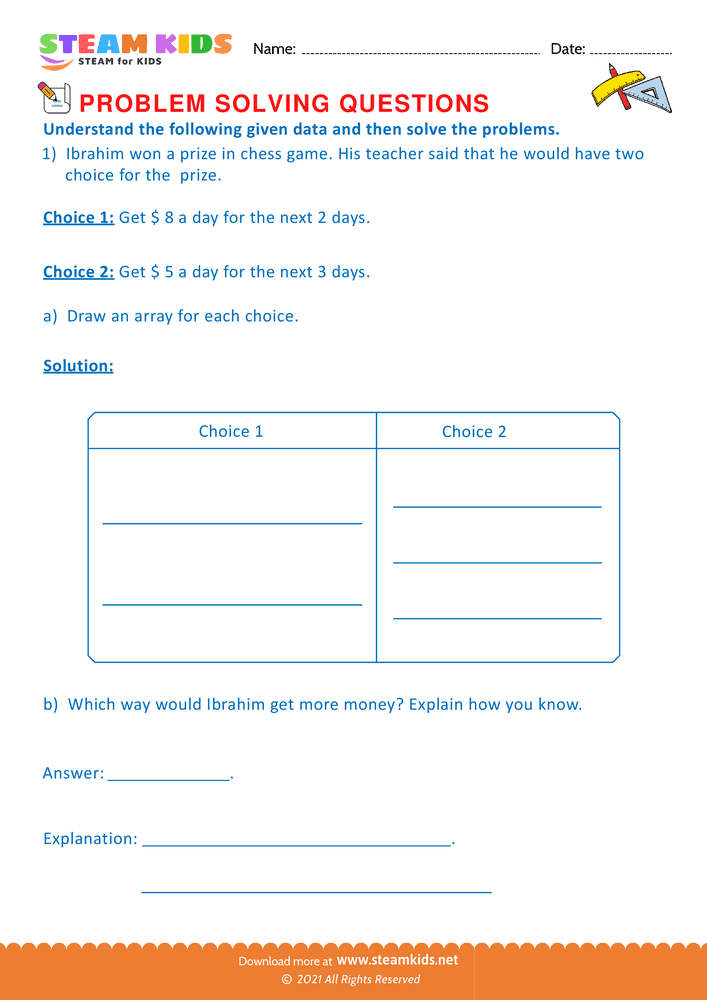


Discover more printable learning activities by visiting our full Math Worksheets archive for teachers, homeschoolers, and parents.