Introduction and Importance of Foundational Math Practice
Early exposure to mathematical concepts sets a critical foundation for future academic success. Engaging with numerical ideas during kindergarten fosters cognitive development and problem-solving abilities. These resources provide an accessible avenue for children to explore the fundamental principles of mathematics. They present opportunities to practice counting, recognizing shapes, understanding patterns, and developing basic arithmetic skills. Consistent engagement with these skills at home, within a classroom setting, or through independent study will help children grasp math concepts with confidence. This early preparation can alleviate math anxiety and prepare students for more complex topics they will encounter later in their academic careers. Introducing these concepts in a playful and encouraging manner ensures that learning is enjoyable, and ultimately, more effective, establishing a strong, positive attitude towards mathematics.
💡 Educational Key Takeaways:
- Core Skill: Structured Free Kindergarten Math Worksheets focused on developing pencil grip, stroke control, and early literacy/math confidence.
- Target Scope: Suited for homeschoolers, preschool, kindergarten, and elementary learners.
- Best Recommendation: Practice 10–15 minutes daily with ergonomic writing tools to reinforce muscle memory without hand fatigue.
Structure and How It Works
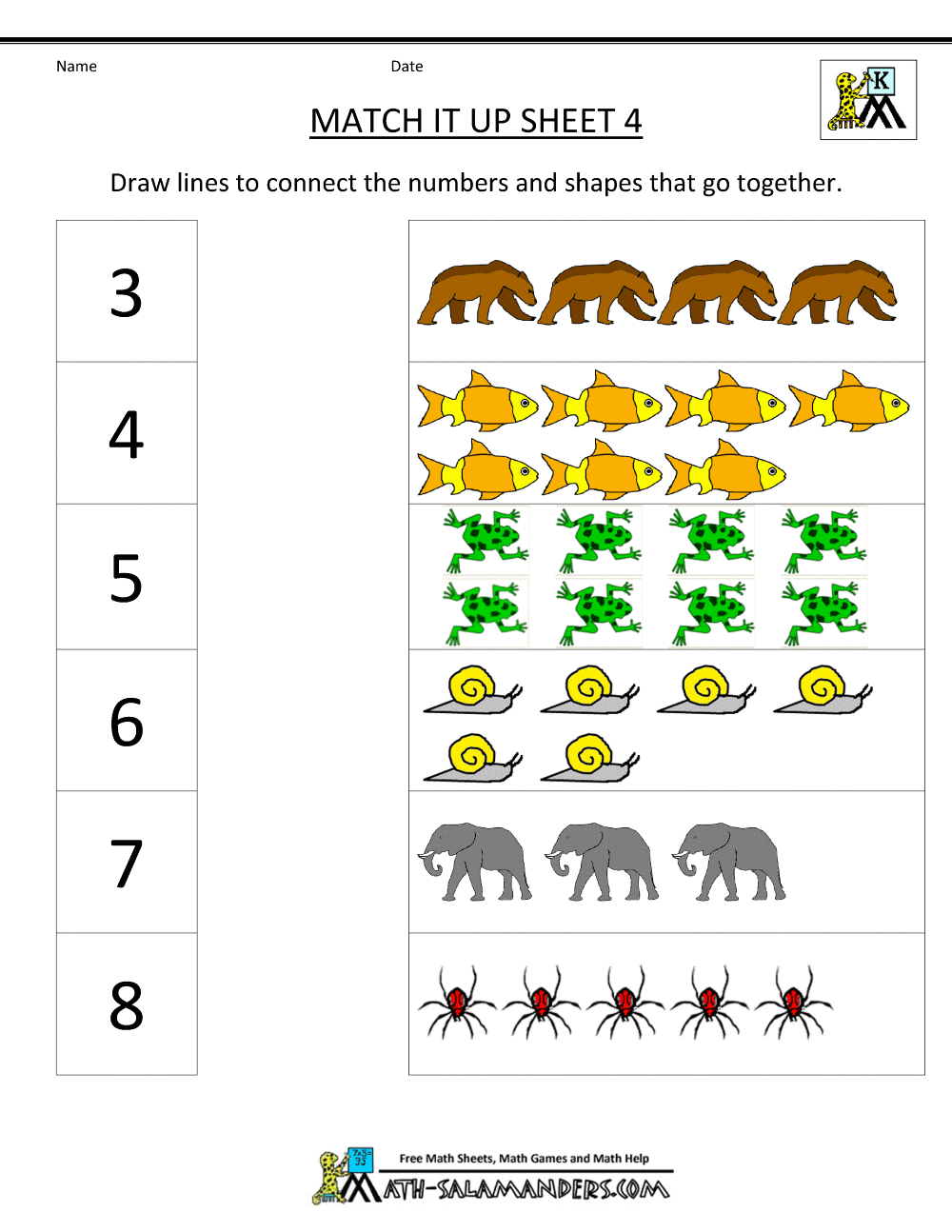
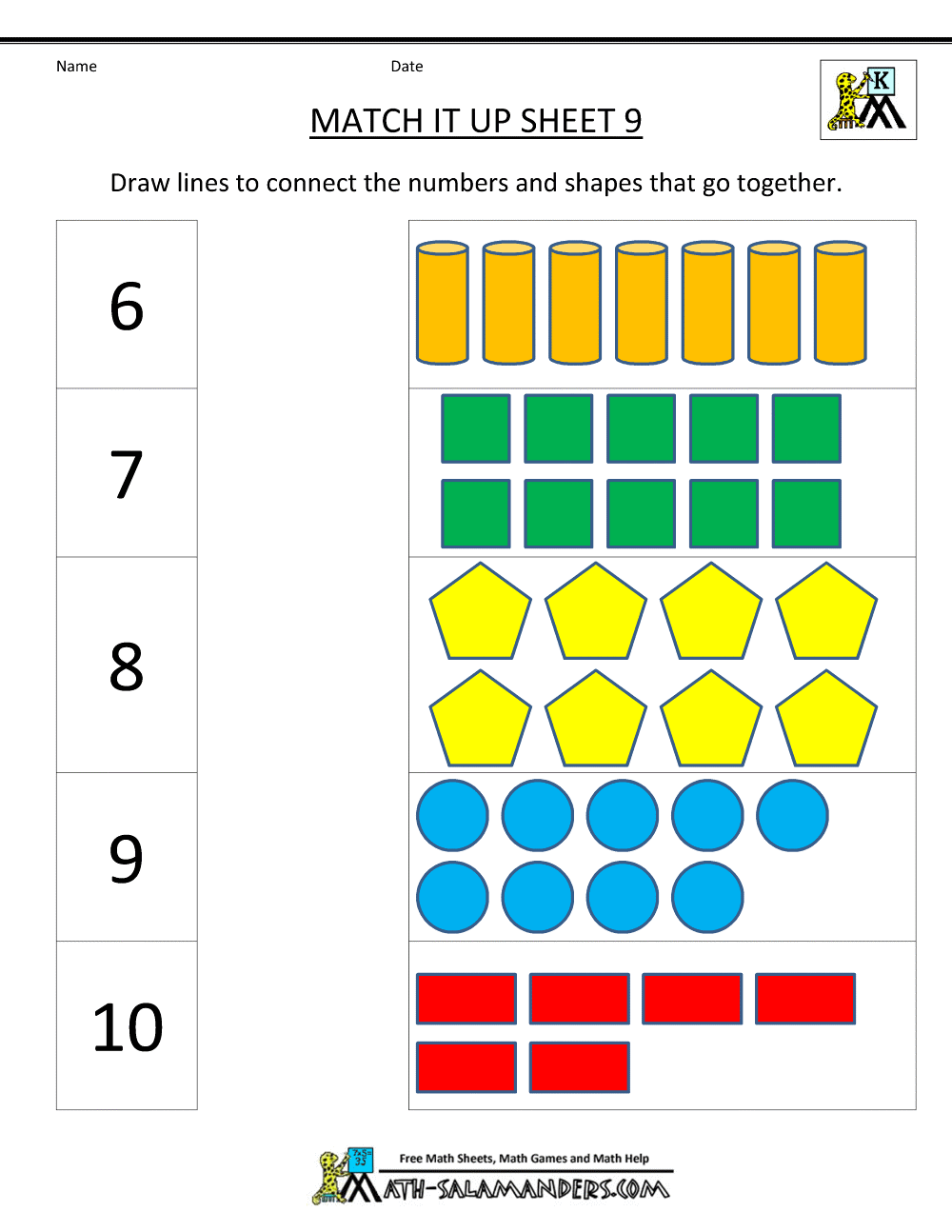
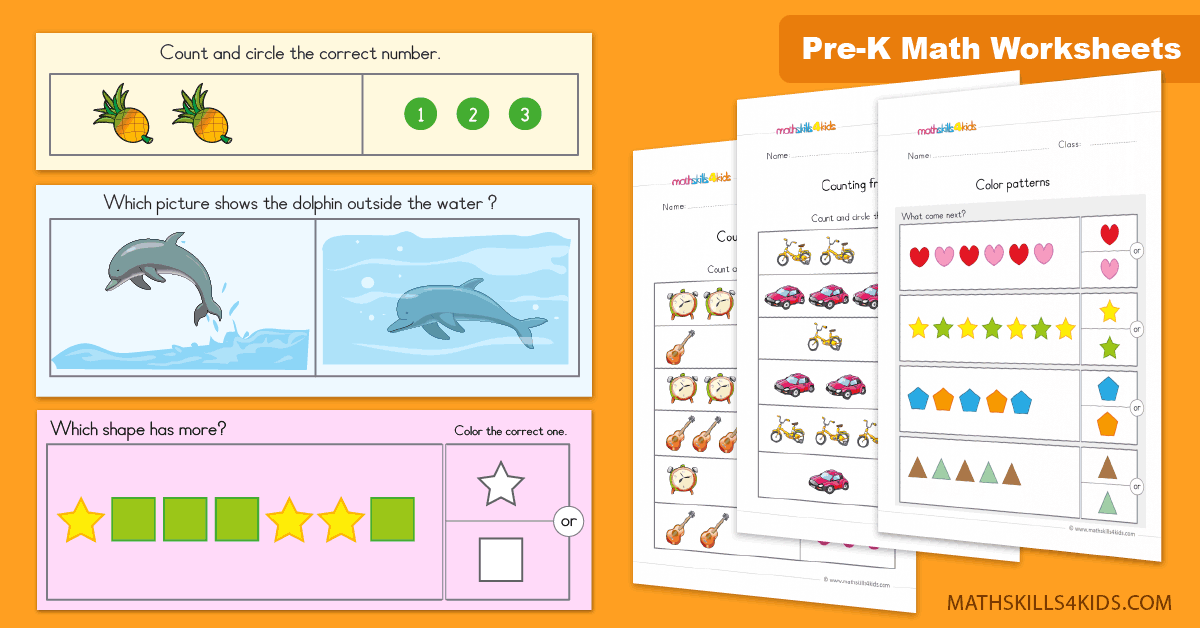
These educational tools are generally structured to introduce mathematical concepts gradually and logically. A typical resource might incorporate a variety of activities designed to cater to different learning styles. Core Exercises: Commonly include counting objects, matching numbers to quantities, simple addition and subtraction problems using visuals, and number recognition exercises. Activities often involve familiar objects and characters to make learning relatable and fun. Interactive Elements: Many examples utilize coloring, drawing, and cutting-and-pasting to engage children actively in the learning process. These activities help develop fine motor skills while simultaneously reinforcing math concepts. Exercises are designed with clear instructions and ample space for children to work, ensuring they can easily understand and complete the tasks independently or with minimal assistance. Progress is usually tracked informally, based on completion and accuracy, encouraging positive reinforcement and celebrating small milestones. Related guide: Pre K Christmas Math Worksheets.
Tips and Complementary Resources
To maximize the effectiveness of these learning aids, a few key strategies can be employed. Daily Practice Tips: Implement short, regular sessions to prevent overwhelm and maintain engagement. Focus on one or two skills at a time and celebrate effort as much as correct answers. Adapt the activities to fit the child’s interests and learning pace. Pairing with Other Resources: Supplement these worksheets with hands-on activities like counting with physical objects, using building blocks to explore shapes, or playing number-based games. Integrating real-world examples, such as counting toys or sharing snacks equally, will reinforce learning. Furthermore, consider incorporating educational videos or interactive apps that align with the concepts covered, making learning a more diverse and stimulating experience. These additional resources combined with a well-structured worksheet will give the child all the tool he needs to advance in his math skills.
Conclusion
Utilizing these resources offers an invaluable opportunity to nurture a child’s mathematical understanding and build a solid foundation for future academic endeavors. They provide accessible, engaging, and practical tools to introduce and reinforce fundamental math skills in a fun and interactive manner. By incorporating the suggested strategies, any parent, teacher, or caretaker can maximize the learning potential and foster a positive attitude toward mathematics. Embrace this opportunity to actively engage children in mathematical exploration. Consider supplementing with related hands-on activities, books, and digital resources to create a well-rounded learning experience. The immediate use of these tools contributes significantly to developing critical thinking, problem-solving skills, and ultimately, a lifelong love of learning, and are readily available.
Developmental Milestone & Activity Table
| Development Stage | Recommended Daily Duration | Primary Learning Objective |
|---|---|---|
| Preschool & Pre-K | 10 – 15 Minutes | Pencil grip development & basic pre-stroke lines |
| Kindergarten | 15 – 20 Minutes | Letter/number formation & spatial line awareness |
| Early Elementary (Grade 1–2) | 20 – 30 Minutes | Fluency, sentence construction & neatness |
Images References :
Discover more printable learning activities by visiting our full Pre K Activity Worksheets archive for teachers, homeschoolers, and parents.