Introduction and Importance of Kindergarten Summer Math Activities
Summer provides a unique opportunity to reinforce and expand mathematical skills learned during the school year, preventing learning loss and preparing children for future academic challenges. Engaging in math-focused activities over the summer months ensures that fundamental concepts remain fresh and readily accessible. These activities are instrumental in building a strong foundation in numeracy, problem-solving, and logical thinking. They can be particularly beneficial for kindergarteners, a critical stage for developing an early appreciation for math. Consistent engagement during this period fosters confidence, promotes a positive attitude toward learning, and makes the transition to first grade smoother. Integrating these activities into a child’s summer routine is a proactive step towards setting them up for continued academic success. Moreover, it cultivates a lifelong love of learning and exploration, positioning them for greater engagement in future educational pursuits. Carefully chosen and well-implemented activities transform what could be a period of academic stagnation into one of continuous growth and discovery.
💡 Educational Key Takeaways:
- Core Skill: Structured Kindergarten Summer Math Worksheets focused on developing pencil grip, stroke control, and early literacy/math confidence.
- Target Scope: Suited for homeschoolers, preschool, kindergarten, and elementary learners.
- Best Recommendation: Practice 10–15 minutes daily with ergonomic writing tools to reinforce muscle memory without hand fatigue.
Structure and How It Works
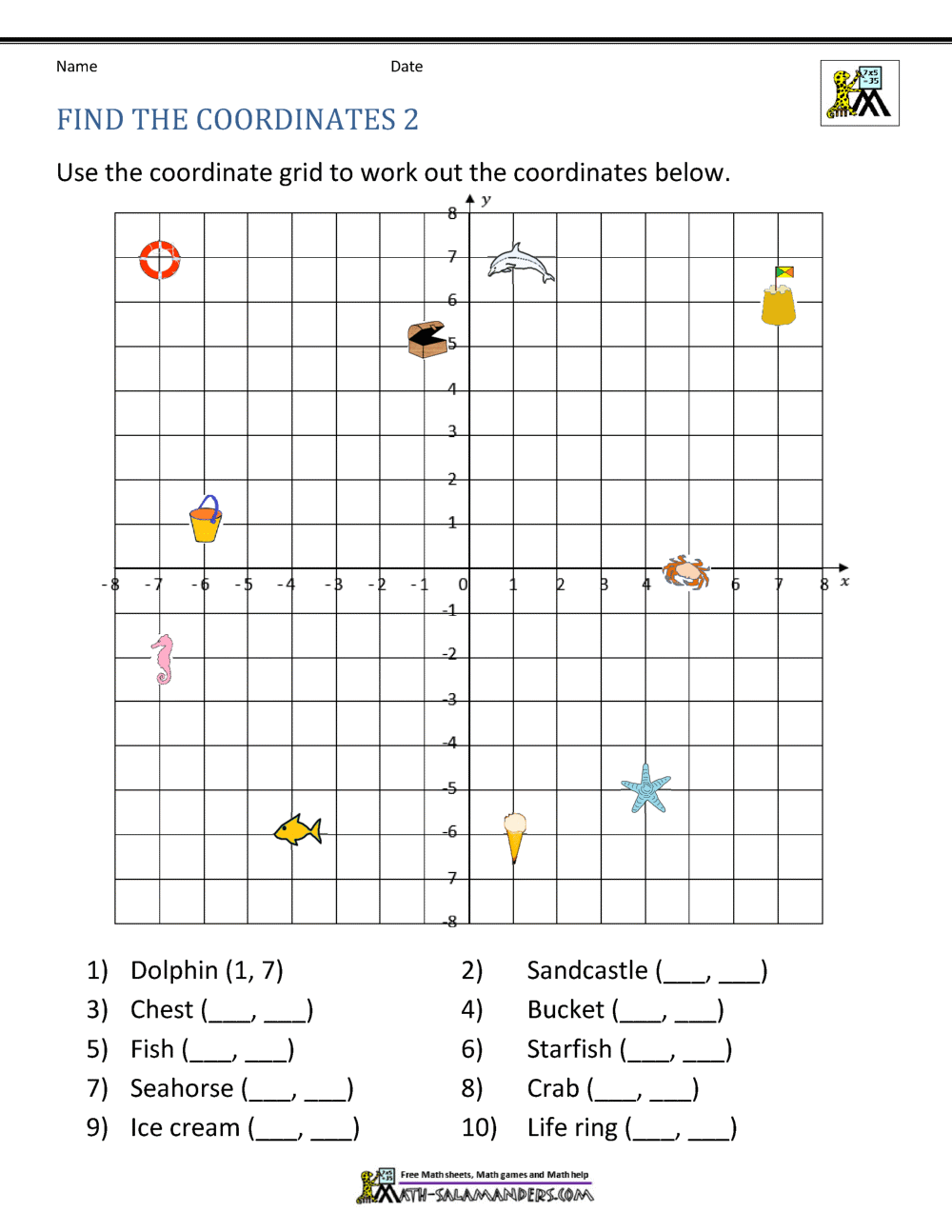
A typical resource designed for kindergarteners often presents a structured yet playful approach to learning key mathematical concepts. The layout is designed to be visually appealing and age-appropriate, typically employing colorful illustrations and ample white space to prevent overwhelming young learners. Core Exercises: These usually encompass number recognition, counting, simple addition and subtraction, shape identification, and pattern recognition. Activities are often designed to be short and varied, maintaining children’s attention and interest. Interactive Elements: These may include matching games, coloring activities related to numbers and shapes, and simple word problems that require visual or tactile manipulation. Sections dedicated to specific skills are often separated thematically, such as a section focused on geometry featuring activities based on identifying and drawing shapes. Worksheets also frequently incorporate real-world scenarios to make the learning more relatable and practical, like counting objects found in nature or adding the number of toys in a picture. Progressive difficulty is generally implemented, beginning with simpler tasks and gradually increasing the challenge to build confidence and mastery.
Tips and Complementary Resources
To maximize the effectiveness of these resources, consider several practical usage tips. Daily Practice Tips: Establishing a consistent schedule, even if it’s just for 15-20 minutes each day, can yield significant benefits. Create a dedicated learning space free from distractions to help children focus. Celebrate small successes and offer positive reinforcement to encourage continued effort. Pairing with Other Resources: Complement paper-based activities with hands-on learning experiences like using manipulatives such as blocks or counting bears. Educational apps and online games can add variety and further engage children’s interest. Explore books and stories that incorporate mathematical concepts to make learning more integrated and enjoyable. Field trips to places like the grocery store or park offer opportunities to practice counting, measuring, and comparing in real-world settings. Remember that the goal is to make learning fun and engaging, so be flexible and adapt the approach based on the child’s individual needs and interests.
Conclusion
Engaging in structured summer activities is a proactive measure to combat learning loss and reinforce critical skills. The activities, specifically designed for kindergarteners, offer a fun and engaging way to solidify mathematical concepts learned throughout the school year. The benefits extend beyond academic achievement, fostering confidence, a love of learning, and preparing children for future educational challenges. By integrating these resources into a childs summer routine, parents and educators can ensure continuous growth and development. Summer presents a unique opportunity to transform what could be a period of stagnation into one of exploration and discovery. Consider supplementing this approach with other learning materials like math-focused storybooks or age-appropriate board games to further enhance the learning experience. The key is to create a supportive and stimulating environment where children can learn, grow, and develop a lifelong appreciation for the power and beauty of mathematics. The long-term impact of this early engagement is immeasurable, setting the stage for future success in mathematics and beyond.
Developmental Milestone & Activity Table
| Development Stage | Recommended Daily Duration | Primary Learning Objective |
|---|---|---|
| Preschool & Pre-K | 10 – 15 Minutes | Pencil grip development & basic pre-stroke lines |
| Kindergarten | 15 – 20 Minutes | Letter/number formation & spatial line awareness |
| Early Elementary (Grade 1–2) | 20 – 30 Minutes | Fluency, sentence construction & neatness |
Images References :
Discover more printable learning activities by visiting our full Fun and Seasonal Math Worksheets archive for teachers, homeschoolers, and parents.