Introduction and Importance of Math Subtraction Word Problems
The ability to interpret and solve mathematical scenarios presented in textual form is a cornerstone of quantitative literacy. This skill translates directly into real-world problem-solving, from managing personal finances to understanding data in professional settings. Worksheets designed to cultivate this competency provide a structured approach to mastering the underlying mathematical operations while simultaneously enhancing reading comprehension. The structured challenges presented in these worksheets encourage logical thinking and critical analysis. Early exposure to this type of exercise can significantly improve a student’s confidence and proficiency in mathematics. Moreover, the skills developed through this process extend beyond the classroom, empowering individuals to make informed decisions based on quantitative reasoning in everyday life. By engaging with carefully crafted questions, learners develop a robust understanding of how mathematical concepts apply to tangible situations, fostering a deeper appreciation for the subject matter. This form of active learning solidifies understanding and promotes long-term retention of mathematical principles.
💡 Educational Key Takeaways:
- Core Skill: Structured Math Subtraction Word Problems focused on developing pencil grip, stroke control, and early literacy/math confidence.
- Target Scope: Suited for homeschoolers, preschool, kindergarten, and elementary learners.
- Best Recommendation: Practice 10–15 minutes daily with ergonomic writing tools to reinforce muscle memory without hand fatigue.
Structure and How It Works
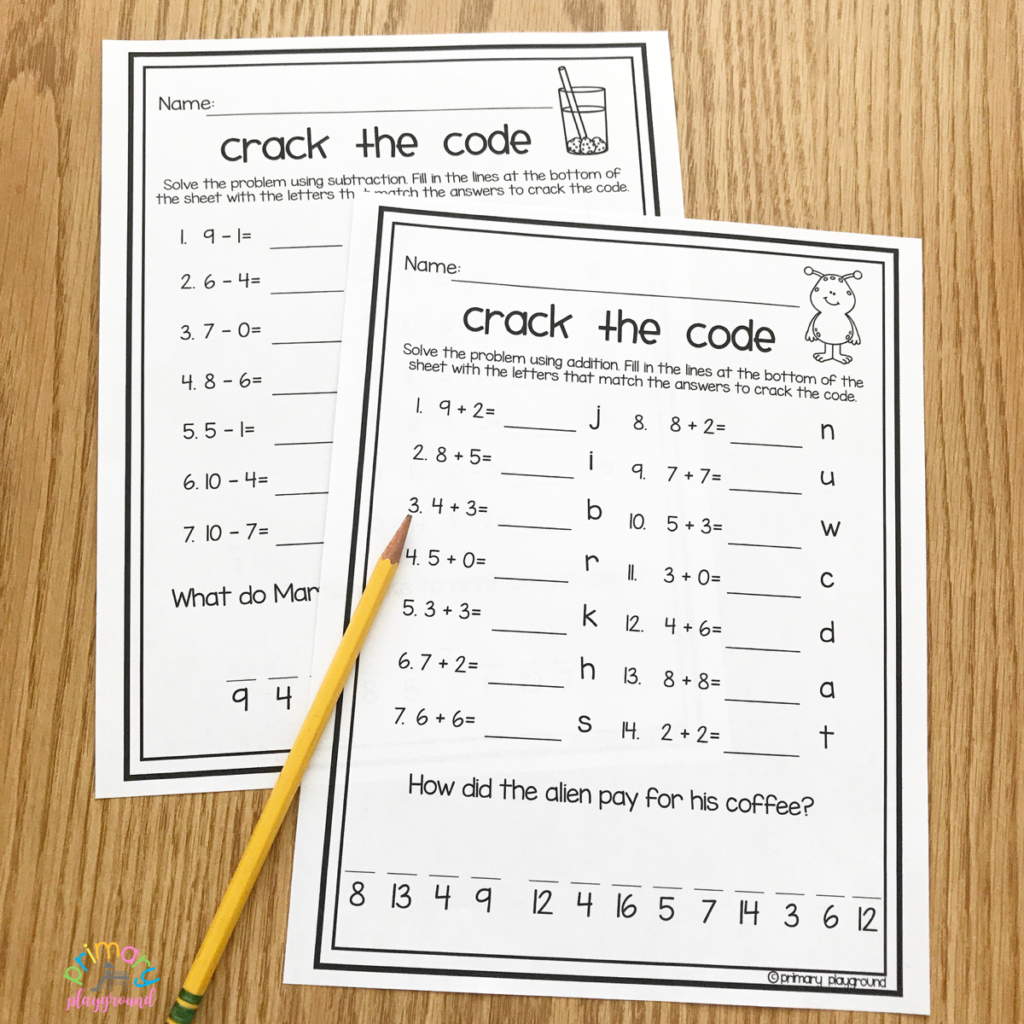
A typical worksheet focuses on developing subtraction capabilities within contextual situations often features a clear and organized layout. Core Exercises: These usually comprise a series of distinct problems, each presenting a scenario that requires the student to identify the relevant information and apply the subtraction operation to find the solution. The problems progressively increase in complexity, starting with simple, one-step calculations and advancing to more intricate scenarios involving multiple operations or requiring the interpretation of extraneous information. The worksheet generally includes a designated space for the student to show their work, promoting a structured approach to problem-solving and enabling teachers or parents to assess understanding. Interactive Elements: Some versions incorporate visual aids, such as illustrations or diagrams, to enhance engagement and provide a visual representation of the problem. Answer keys are typically provided to facilitate self-assessment and immediate feedback, allowing the learner to independently monitor their progress and identify areas needing further attention. Furthermore, some might include optional extension activities or challenge questions to cater to advanced learners or those seeking a more in-depth exploration of the concepts.
Tips and Complementary Resources
To maximize the benefits of using worksheets, a strategic approach is essential. Daily Practice Tips: Encourage consistent, short practice sessions rather than infrequent, lengthy ones. Breaking down the tasks into manageable chunks can prevent overwhelm and enhance focus. Prior to attempting the exercise, review the fundamental concepts of subtraction, ensuring a solid understanding of the operation and its properties. Pairing with Other Resources: Supplementing the worksheet with real-world examples and hands-on activities can further solidify understanding. For instance, use physical objects to represent the quantities in the problems, allowing the learner to visually manipulate and understand the subtraction process. Online resources, such as educational videos and interactive games, can also provide alternative learning experiences and reinforce the concepts in an engaging manner. Furthermore, collaborative problem-solving with peers or family members can foster a deeper understanding and encourage discussion of different approaches and strategies.
Conclusion
The use of strategically designed activities centered on contextual subtraction serves as a valuable tool for enhancing mathematical proficiency and promoting critical thinking skills. By consistently engaging with these problems, learners not only master the mechanics of subtraction but also develop the ability to apply these operations in practical, real-world contexts. The ability to confidently tackle numerical challenges is a fundamental asset in both academic pursuits and everyday life. Mastering these skills can cultivate a lasting appreciation for the power and relevance of mathematical thinking. Continued practice and exploration of similar resources, such as worksheets focused on other mathematical operations or real-world applications, can further solidify these skills and broaden mathematical horizons. Explore resources that connect mathematical problems to other subjects like science or social studies, to foster interdisciplinary thinking and demonstrate the relevance of mathematics in diverse fields.
Developmental Milestone & Activity Table
| Development Stage | Recommended Daily Duration | Primary Learning Objective |
|---|---|---|
| Preschool & Pre-K | 10 – 15 Minutes | Pencil grip development & basic pre-stroke lines |
| Kindergarten | 15 – 20 Minutes | Letter/number formation & spatial line awareness |
| Early Elementary (Grade 1–2) | 20 – 30 Minutes | Fluency, sentence construction & neatness |
Images References :
Discover more printable learning activities by visiting our full Fun and Seasonal Math Worksheets archive for teachers, homeschoolers, and parents.