

Introduction and Importance of Multiplication Practice for 4th Graders
Mastering multiplication is a foundational skill that significantly impacts a student’s mathematical journey. For fourth graders, solid multiplication skills are crucial not only for success in the current academic year but also for future mathematical concepts, such as division, fractions, and algebra. Consistent practice helps solidify understanding, building confidence and fluency. The ability to quickly and accurately multiply numbers reduces cognitive load, enabling students to focus on more complex problem-solving tasks. Engaging in regular multiplication exercises can also enhance critical thinking skills and foster a deeper appreciation for the patterns and relationships within mathematics. Whether used at home, in the classroom, or for independent study, dedicated exercises focused on multiplication principles are an invaluable tool in a child’s educational development. A firm grasp of multiplication empowers students to tackle more challenging math problems with greater ease and assurance, setting them up for continued success.
💡 Educational Key Takeaways:
- Core Skill: Structured Multiplication Practice For 4th Graders focused on developing pencil grip, stroke control, and early literacy/math confidence.
- Target Scope: Suited for homeschoolers, preschool, kindergarten, and elementary learners.
- Best Recommendation: Practice 10–15 minutes daily with ergonomic writing tools to reinforce muscle memory without hand fatigue.
Structure and How It Works
A well-designed multiplication worksheet for this grade level typically incorporates a variety of exercises to reinforce learning and retention. Core Exercises: These sections often feature straightforward multiplication problems, ranging from basic single-digit multiplication to more complex multi-digit multiplication. The problems are usually presented in a clear, uncluttered format to minimize confusion. Worksheets often progress in difficulty, allowing students to gradually build their skills. Visual Aids: Some worksheets may include visual aids, such as arrays or number lines, to help students understand the concept of multiplication. These visual representations can be especially helpful for visual learners. Interactive Elements: Certain exercises incorporate word problems, which challenge students to apply their multiplication skills to real-world scenarios. These problems require students to identify the mathematical operation needed and translate the problem into a multiplication equation. The inclusion of answer keys provides immediate feedback and allows for self-assessment, promoting independent learning.
Tips and Complementary Resources
Effective use of multiplication-focused materials requires a strategic approach to maximize learning outcomes. Daily Practice Tips: Encourage consistent, short practice sessions rather than infrequent, lengthy ones. Breaking down the material into manageable chunks helps maintain focus and prevent mental fatigue. Timed exercises can help improve speed and accuracy, but it is crucial to strike a balance between speed and understanding. Pairing with Other Resources: Supplementing exercises with hands-on activities, such as using manipulatives or playing multiplication games, can make learning more engaging and effective. Online resources, including interactive multiplication tutorials and practice websites, can provide additional support and variety. Encouraging students to explain their thought processes while solving problems helps solidify their understanding and identify areas where they may need further assistance. Regular review of previously learned material is essential for long-term retention.
Conclusion
Consistent engagement with structured exercises designed to reinforce multiplication principles yields significant benefits for fourth-grade students. Through dedicated practice, students develop fluency, accuracy, and a deeper understanding of multiplication concepts. This improved mastery translates into greater confidence and success in subsequent mathematical topics. The skills acquired through these exercises provide a solid foundation for future learning, empowering students to tackle more complex problems with ease. It is highly recommended to incorporate this form of practice into a students learning routine, whether at home or in the classroom. Supplementing this with related materials, such as division practice problems or fraction exercises, can further enhance a students overall mathematical proficiency and create a well-rounded understanding of numerical relationships. The consistent application of this material creates confident and capable math students.
Developmental Milestone & Activity Table
| Development Stage | Recommended Daily Duration | Primary Learning Objective |
|---|---|---|
| Preschool & Pre-K | 10 – 15 Minutes | Pencil grip development & basic pre-stroke lines |
| Kindergarten | 15 – 20 Minutes | Letter/number formation & spatial line awareness |
| Early Elementary (Grade 1–2) | 20 – 30 Minutes | Fluency, sentence construction & neatness |
Images References


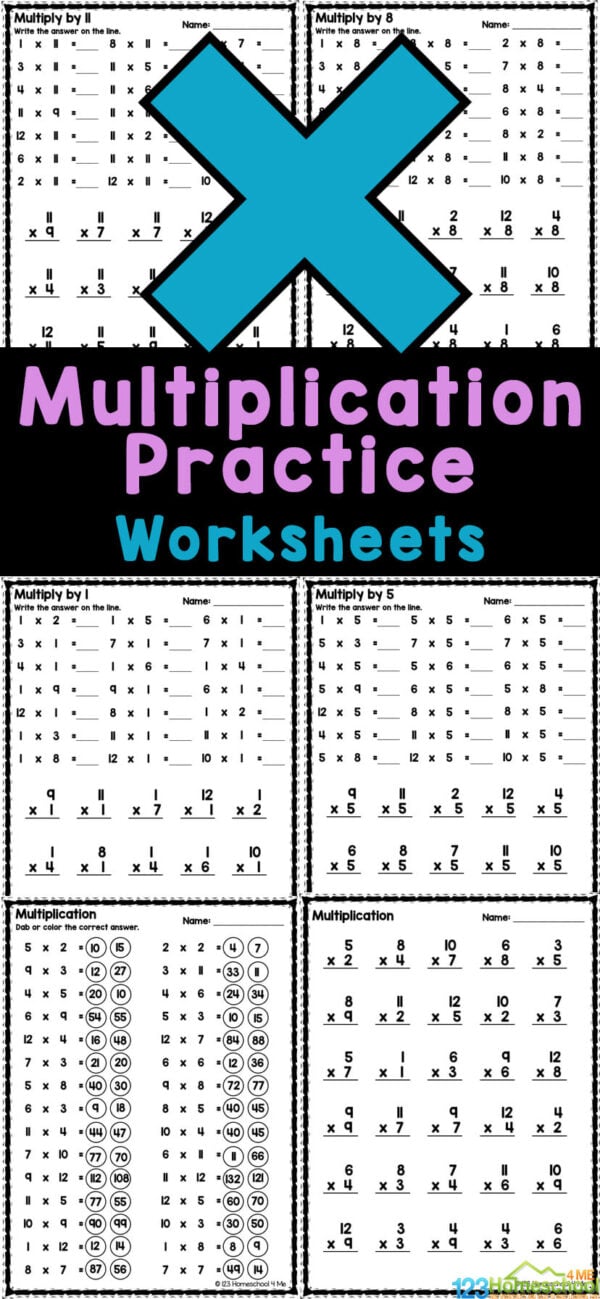


Discover more printable learning activities by visiting our full Fun and Seasonal Math Worksheets archive for teachers, homeschoolers, and parents.


